
Last updated November 4, 2026
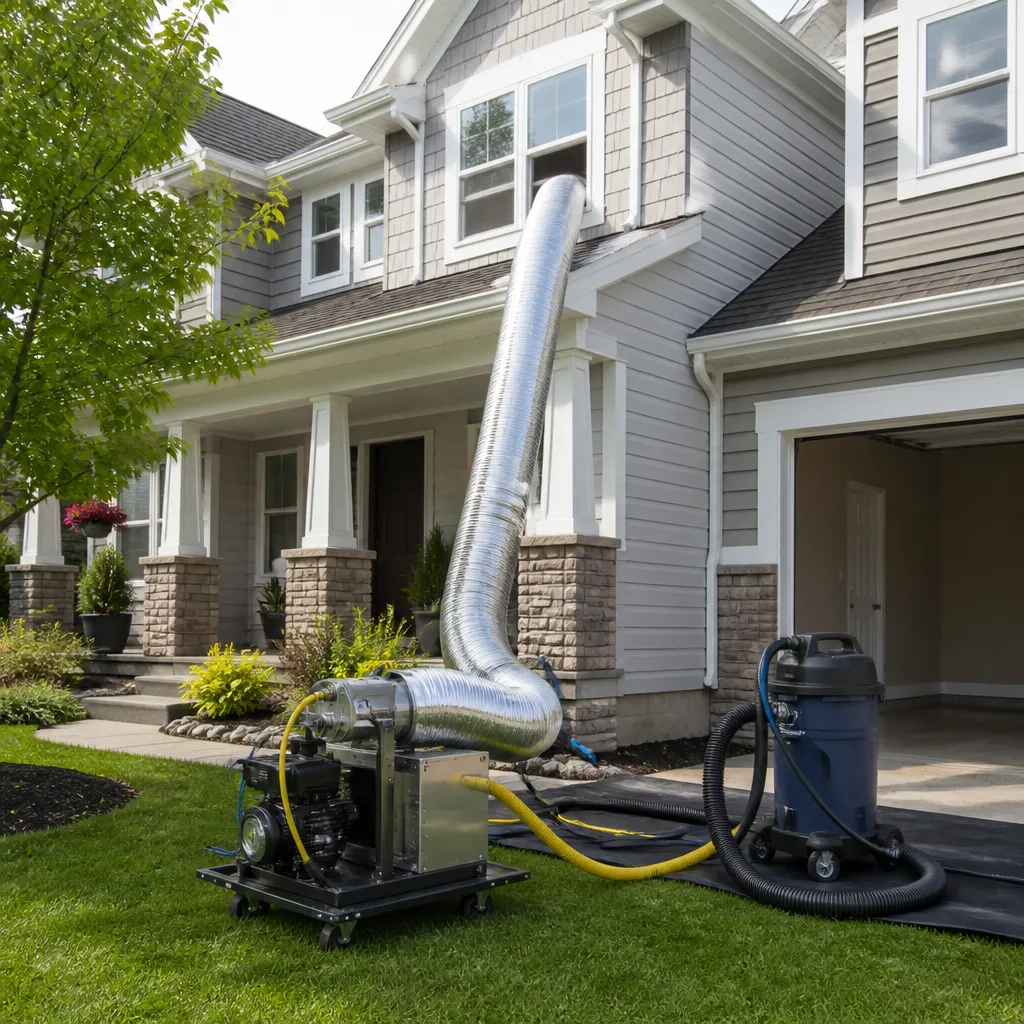 Whole-home duct cleaning
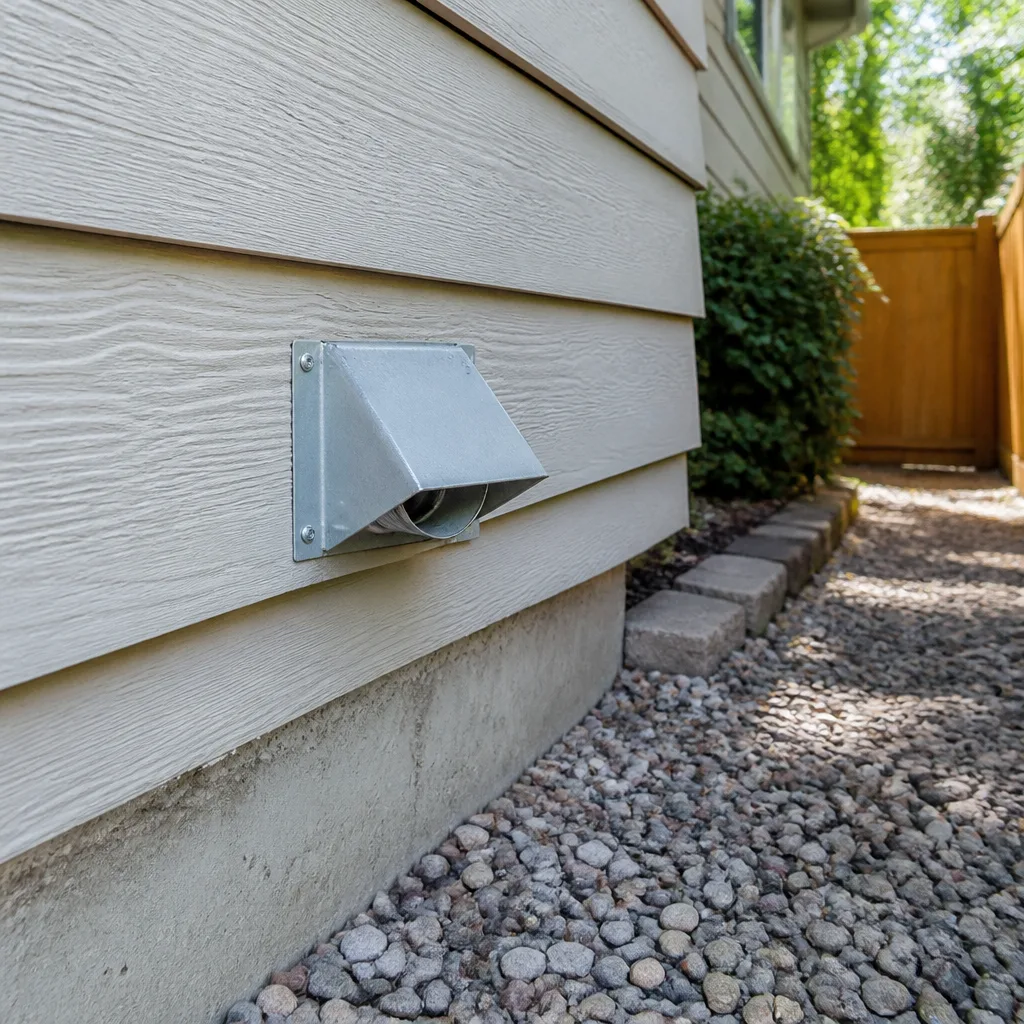 Dryer vent cleaning
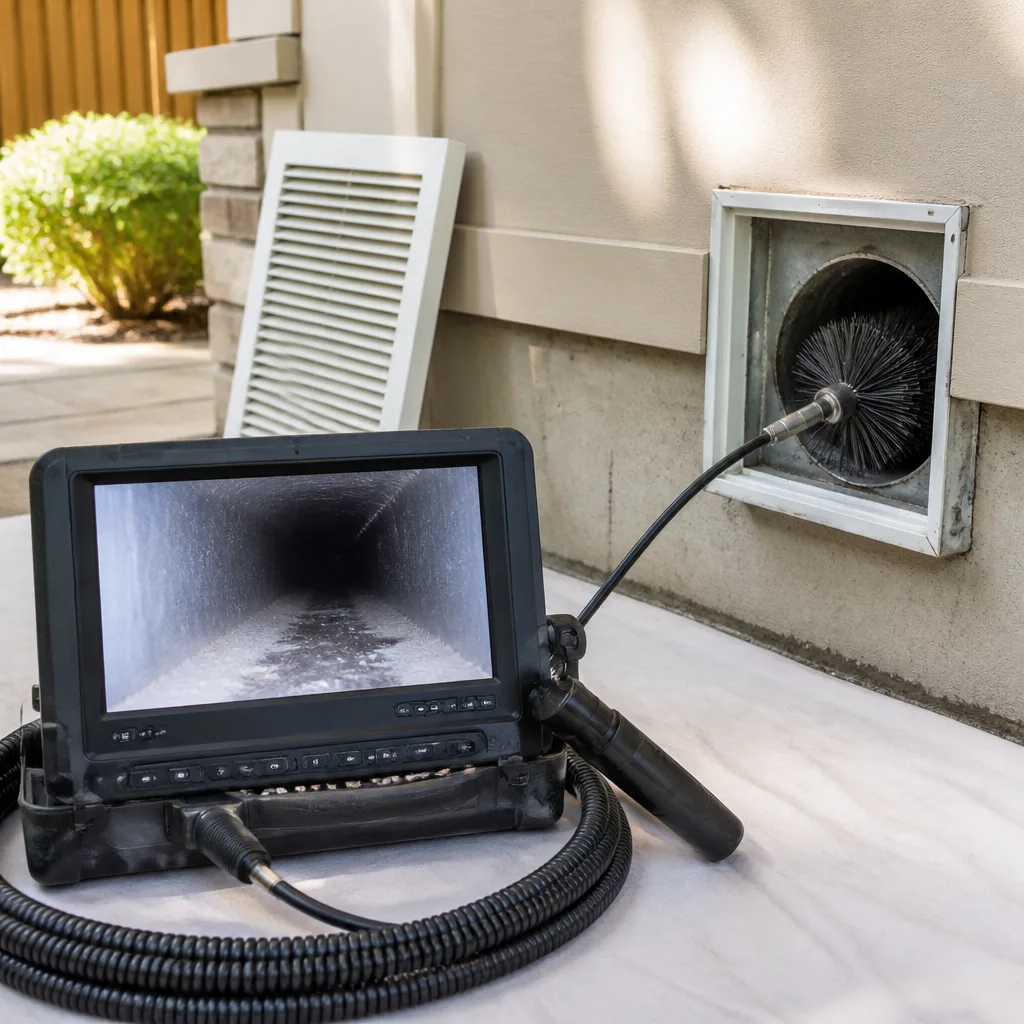 Camera inspection
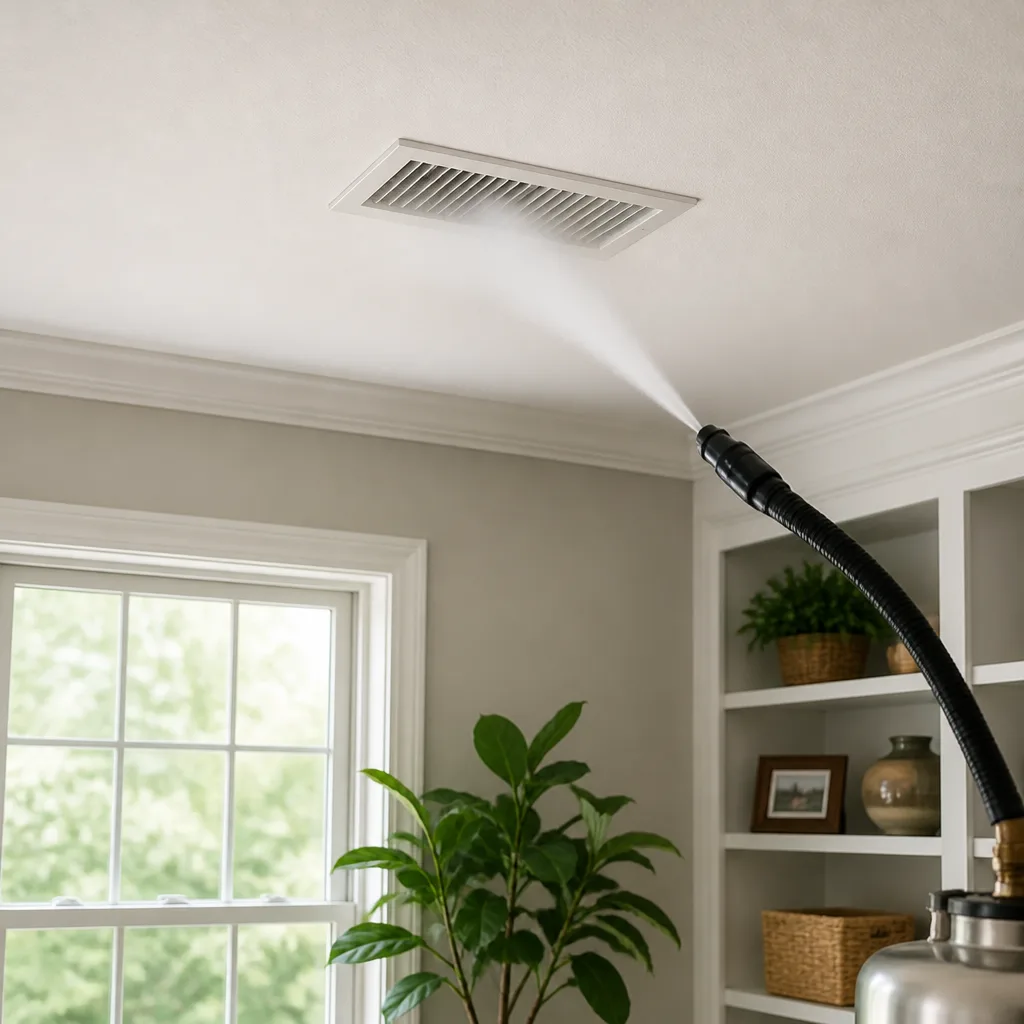 Sanitizing & deodorizing
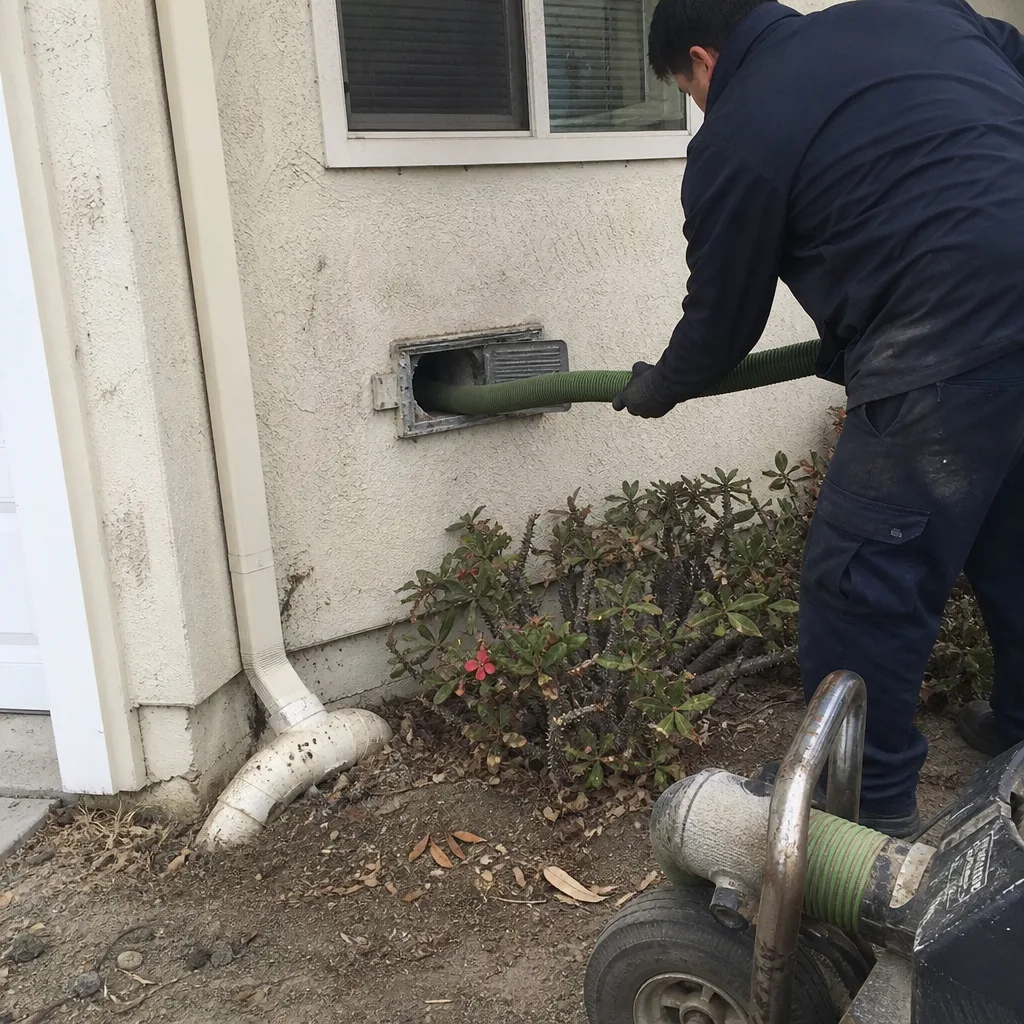
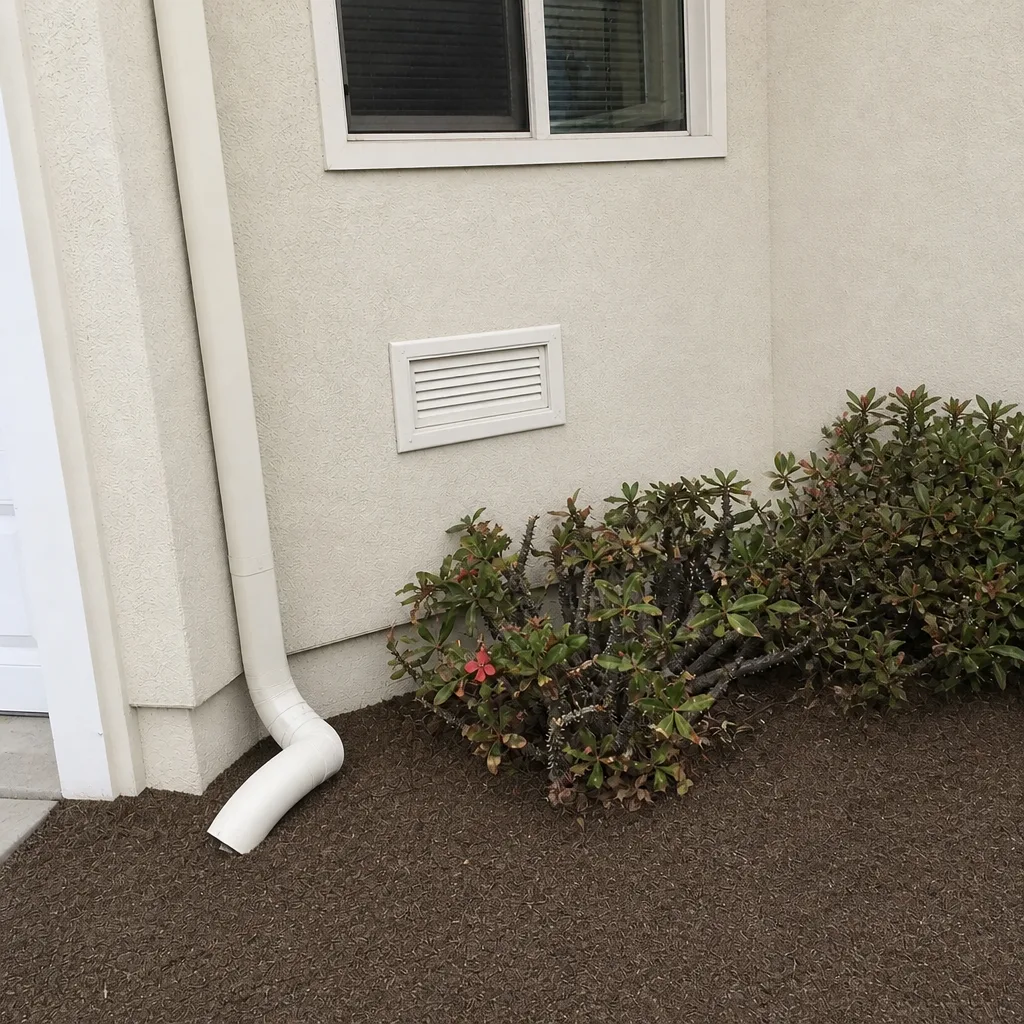
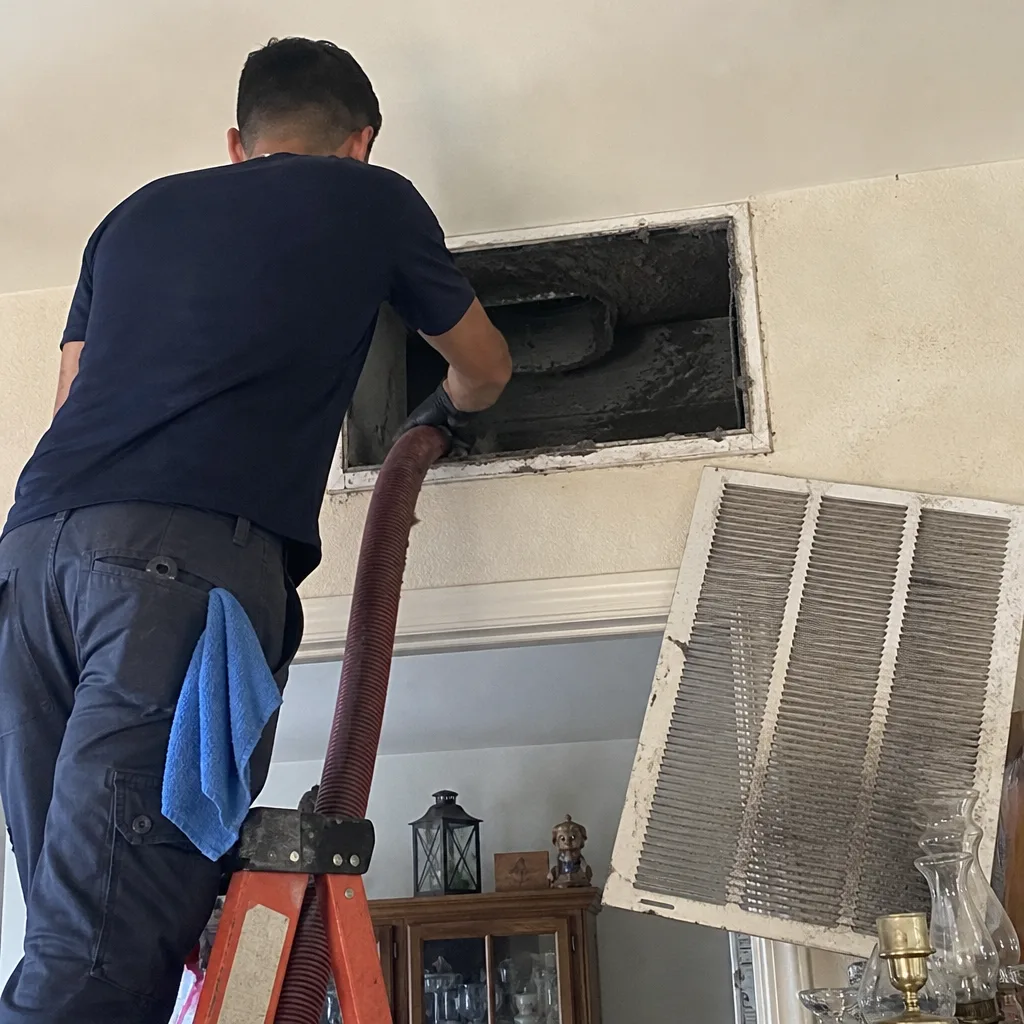
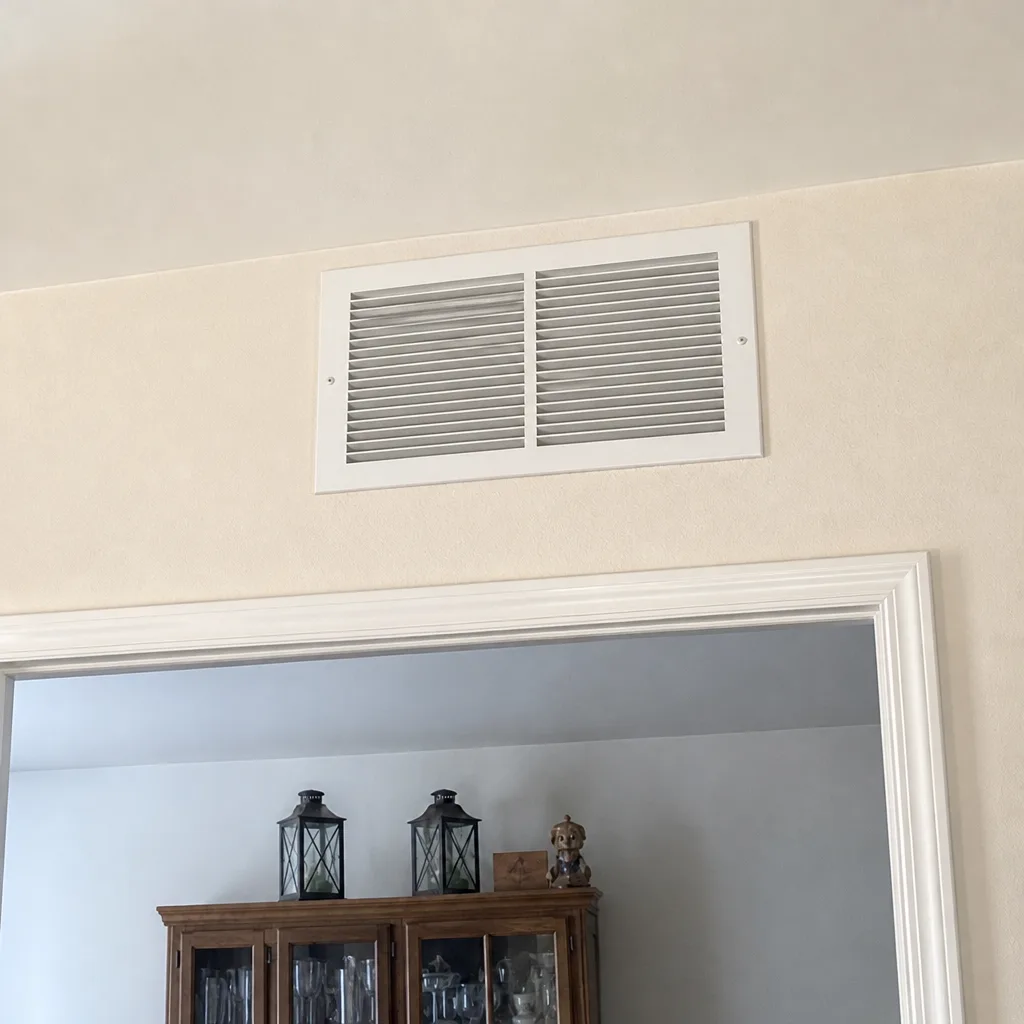
Whole-system duct and dryer vent check with before-and-after photos - you see exactly what came out of your vents
That "$99 whole-house special" is a bait ad - the real number appears once they are in your hallway, or the "clean" is a shop-vac at the register. We photograph the inside of your ducts before and after instead.
Air Duct Cleaning Maintenance Checklist for Carlsbad Homeowners
Replacing a filter every 90 days while ignoring the duct liner pulling away from the collar is the HVAC equivalent of brushing your teeth while ignoring a cavity. The filter catches what passes through it, but the ducts themselves are the highway delivering that air to every room. In Carlsbad, where thermal cycling from cool coastal mornings to warm inland afternoons causes sheet metal and mastic to expand and contract daily, duct seals fail quietly. This guide gives you a technician-level inspection routine based on observable indicators, not arbitrary calendar dates. You will learn what to check monthly, what your nose and ears are already telling you, and when a camera scope is the only way to know what is really happening behind your registers.
Styles & brands we work with
- Whole-home duct cleaning
- Dryer vent cleaning
- Camera inspection
- Sanitizing & deodorizing
Quick Answer
The core air duct maintenance routine for Carlsbad homeowners is a monthly visual and sensory check of accessible duct connections, registers, and the air handler, plus a quarterly airflow balance walkthrough of every room. Filter loading rate is the single most useful diagnostic you already have. Professional camera inspection belongs on an annual schedule, or immediately when you notice uneven room temperatures, musty air that clears when the system cycles off, or a filter that is loading unusually fast.
Table of Contents
- The Monthly Visual Inspection Protocol
- The Room-by-Room Airflow Balance Check
- Filter Loading Rate as a Diagnostic Tool
- Sound and Smell Indicators You Should Never Ignore
- Why Carlsbad Thermal Cycling Stresses Duct Seals
- The Tiered Maintenance Schedule
- Common Mistakes to Avoid
- When to Call a Professional
- Frequently Asked Questions
- The Bottom Line
The Monthly Visual Inspection Protocol
Most homeowners never look at their ductwork unless something breaks. That is a mistake, because the earliest signs of duct failure are visible long before they become expensive. The monthly check takes about ten minutes and requires no tools beyond a flashlight and your eyes.
Start at the return register. Remove the grille and look at the filter. You are checking three things: loading pattern, debris type, and fit. A filter that is dark across its entire surface is doing its job. A filter that is dark in one rectangular patch while the rest stays clean tells you air is preferentially flowing through one section, which often points to a return-side restriction or a duct that has pulled away from the boot.
Next, inspect the visible duct connections at each supply register. Reach down and feel where the duct boot meets the wall or floor opening. You are looking for a gap between the duct collar and the surrounding drywall or flooring. A small gap lets conditioned air escape into the wall cavity or crawlspace instead of the room. It also pulls unconditioned air back in when the system cycles. Run your hand around the perimeter. If you feel air movement where the register frame meets the floor, that air is not reaching the room.
Then check the accessible sections of duct in the attic, garage, or wherever your main trunk line runs. Look at the seams and joints. The mastic or foil tape applied at installation should be intact, not cracked, peeling, or separated. In Carlsbad homes, where attics routinely hit 130 degrees in summer, mastic dries and cracks faster than homeowners expect. A hairline crack in mastic is the entry point for attic air, which carries dust, insulation fibers, and whatever else is up there.
Finally, inspect the air handler cabinet. Open the access panel if you are comfortable doing so safely with the system off, and look at the coil and blower housing. A visible dust mat on the blower wheel or coil face means particulates are bypassing the filter or the filter is not sealing correctly in its track. That dust is not staying on the coil. It is being pushed into your duct system and distributed through the house.
The Room-by-Room Airflow Balance Check
A duct system is a pressurized network. Every leak changes the pressure balance, and the rooms farthest from the air handler feel it first. The quarterly airflow balance check is a no-tool diagnostic that detects early duct leakage or blockage before it becomes a comfort complaint.
- Close all exterior doors and windows. You want the system operating in a controlled state, not fighting outside conditions.
- Set the thermostat fan to ON, not AUTO. This runs the blower continuously and lets you compare rooms under constant conditions.
- Walk to the room farthest from the air handler. Hold your hand about six inches from the supply register. Note the force of the airflow. Grade it on a simple scale: strong, moderate, weak, or none.
- Repeat in every room. Work your way back toward the air handler. Rooms closer to the unit will naturally feel stronger, but the difference should be gradual, not dramatic.
- Compare opposite sides of the same floor. If one upstairs bedroom has strong flow and the adjacent one has weak flow, the difference is rarely the duct design. It is usually a disconnected or kinked branch run.
- Check the return path. With the fan running, hold a tissue near the bottom of a closed bedroom door. If it does not move toward the gap, that room has restricted return airflow, which starves the supply side and reduces overall system performance.
What does a weak room tell you? It means air is leaving the duct system somewhere upstream. A flex duct that has sagged and developed a kink restricts flow. A branch line that has separated from the main trunk dumps conditioned air into the attic. A crushed section under a shifted joist squeezes the airway. None of these conditions fix themselves, and none are visible from the register side.
In our experience, homeowners in Carlsbad often discover this imbalance during the first heat wave of summer, when the system runs continuously and the hot rooms become obvious. The problem existed months earlier. The balance check finds it before the weather forces you to notice.
Filter Loading Rate as a Diagnostic Tool
Your filter is a recording device. It documents what is moving through your return air stream, and the rate at which it loads tells a story about the integrity of your duct system. Most homeowners treat filter replacement as a calendar task. A better approach is to treat filter loading rate as a diagnostic signal.
A standard 1-inch filter in a typical Carlsbad home should last roughly 30 to 90 days before showing significant visible loading, depending on household factors like pets, occupancy, and whether windows are open regularly. When a filter loads to the point of visible restriction in two weeks or less, something is wrong.
Fast filter loading usually points to one of three conditions. The first is return-side duct leakage. If a return duct has separated or developed a gap, it pulls air from the attic, garage, or wall cavity instead of from the living space. That air carries insulation particles, construction dust, and whatever else is in those spaces, all of which ends up on your filter. The filter is not failing. It is revealing that your return path is compromised.
The second cause is a filter rack that does not seal. Many homes have a filter slot that is slightly oversized or warped. Air takes the path of least resistance, so it flows around the filter instead of through it. The filter loads slowly while the blower and coil load quickly. You see a clean filter and assume everything is fine, while the coil is developing a dust mat that reduces efficiency and becomes a moisture-retention site.
The third cause is bypass around the filter through gaps in the cabinet itself. We see this regularly during inspections, and it is one reason professional air duct cleaning includes a check of the filter housing and return pathway, not just the duct interior.
The diagnostic use of your filter is simple. Buy the same filter brand and MERV rating consistently. Note the installation date. When you remove it, look at how much it loaded. If the loading changes dramatically without a change in household conditions, the duct system is telling you something.
Sound and Sound Indicators You Should Never Ignore
Duct systems make noise. Most of it is normal: the rush of air at registers, the click of the thermostat relay, the low hum of the blower. But certain sounds and smells are diagnostic signals that something is failing or growing inside the system.
Sounds that warrant attention:
Silence in one room while others are loud suggests a damper is closed, a branch line is crushed, or a flex duct has collapsed. A metallic rattling that changes with blower speed usually means a loose section of duct or a damper that has come free from its mount. A rhythmic thumping or banging that starts when the system cycles on points to ductwork expanding or a disconnected section swinging in the air stream. In an attic, a disconnected branch line acts like a flag in the wind, slapping against framing members. What you hear through the ceiling is the symptom, not the problem.
Smells that require immediate investigation:
A musty, damp odor that appears when the system runs and fades when it stops is the classic signature of microbial growth on the coil or in the duct liner. The cooling coil creates condensation during Carlsbad’s humid periods. If that moisture is not draining properly, or if dust has formed a thick mat on the coil, the result is a consistently damp environment where mold can establish. The ducts themselves may be fine. The growth may be localized to the coil, but the air passing over it distributes the odor throughout the house.
A burning or electrical smell with the heat running is different. It may simply be dust that settled on the heat exchanger during the cooling season and is now burning off. But it can also indicate an overheating component or a failing blower motor. Turn the system off and have it checked before running it again. We treat this one seriously because the distinction between dust burnoff and an electrical fault is not something you can reliably make from smell alone.
An odor that resembles dirty socks and persists regardless of cycle status often comes from the drain pan or interior insulation, not the ducts themselves. It is common in systems where the condensate drain has partially clogged and water sits in the pan. The smell is the standing water and the biofilm in it, and the fix is a drain cleaning plus coil service, not a duct cleaning. We tell homeowners this because a professional should diagnose before recommending work.
Why Thermal Cycling Stresses Duct Seals in Carlsbad
Carlsbad’s climate creates a specific set of conditions for duct systems, and understanding them changes how a homeowner should think about maintenance. The city sits inland enough that summer temperatures regularly reach the upper 80s and low 90s, while winter nights drop into the 40s. That is a daily temperature swing that cycles between heating and cooling modes throughout the year, sometimes within the same week.
The duct material, the mastic, and the tape all expand and contract at different rates. Metal duct expands measurably across a 50-degree daily swing. Mastic, once cured, is rigid. It does not flex. Over time, the repeated expansion and contraction works the mastic loose from the seam it was sealing. The result is a gap that starts as a hairline fissure and grows with each thermal cycle.
The problem is compounded in unconditioned attics, where duct temperatures swing far more dramatically than the air in the living space below. An attic in Carlsbad can go from 40 degrees before dawn to 130 degrees by midafternoon in summer. That is a 90-degree daily swing applied directly to the duct material. No sealant lasts forever under those conditions, which is why duct seal inspection belongs on an annual schedule here even for newer homes.
Homes in master-planned communities like Bressi Ranch and La Costa Oaks, many built during the mid-2000s construction boom, are now reaching the age where original mastic and tape failures become common. We inspect ducts in homes across Carlsbad, from older Carlsbad Village properties with retrofit systems to newer developments in the Robertson Ranch area, and the pattern is consistent: seal degradation is a function of time and thermal cycles, not build quality. A well-installed duct system simply fails more gracefully.
The practical takeaway is that Carlsbad homeowners cannot treat duct sealing as a one-time event. It is a wear item, like brake pads or roof sealant, and it belongs on an inspection calendar that accounts for our specific climate conditions.
The Tiered Maintenance Schedule
A useful maintenance protocol separates tasks by frequency and capability. What you do monthly is different from what requires annual professional equipment, and both are different from what triggers an unscheduled service call. Here is the tiered structure we recommend for Carlsbad homeowners.
Tier 1: Monthly Homeowner Checks
- Visual inspection of supply registers and return grilles for dust buildup, discoloration, or airflow changes
- Check visible duct connections at floor and wall registers for gaps or separation
- Listen for new rattles, thumps, or airflow-triggered noises during system startup
- Note any musty or unusual odors when the system runs
- Record filter installation date and visually check loading at the 30-day mark
Tier 2: Quarterly Homeowner Diagnostics
- Complete the room-by-room airflow balance check described earlier
- Inspect accessible attic or garage duct sections for visible mastic cracking or tape peeling
- Check the condensate drain line for standing water or slow drainage
- Evaluate filter loading rate against the baseline for your household
- Verify that all supply registers are fully open and unobstructed by furniture or rugs
Tier 3: Annual Professional Assessment
- Camera scope inspection of the main trunk and branch lines
- Static pressure measurement to quantify system resistance
- Coil and blower inspection for dust loading and moisture issues
- Duct seal evaluation at all accessible connections
- Professional air duct cleaning if the camera scope shows accumulated debris beyond normal dust
Tier 4: Trigger Events for Unscheduled Calls
- Visible mold or microbial growth on any register, grille, or accessible duct surface
- A sudden and persistent drop in airflow in one or more rooms
- Rodent or pest evidence in ductwork or around registers
- A burning smell that does not clear after the first heating cycle of the season
- Water staining or moisture visible inside any duct section
The tiered structure works because it catches problems at different stages. The monthly check catches symptoms. The quarterly check catches developing trends. The annual professional assessment catches what no homeowner can see without a camera scope. The trigger events are the ones where waiting is the expensive option.
Common Mistakes to Avoid
- Treating filter replacement as the entire maintenance program. A clean filter does not mean a clean or sealed duct system. The filter protects the equipment from debris. It does nothing for leaks downstream of the air handler or accumulations already in the branch lines.
- Closing registers in unused rooms to save energy. Your system was designed for a specific airflow volume. Closing registers increases static pressure, which forces air through leaks and accelerates seal failure. It can also freeze the coil in cooling mode. If you want zone control, install a properly designed zoning system.
- Using the cheapest fiberglass filter and calling it done. A $2 filter stops large debris and protects nothing else. The blower, coil, and duct interior accumulate the fine particulates that pass through. A MERV 8 pleated filter is a reasonable minimum for most Carlsbad households. Check that your system can handle the pressure drop before moving to higher MERV ratings.
- Ignoring a musty smell because it comes and goes. Microbial growth does not self-resolve. It establishes when conditions are favorable and releases spores continuously. The intermittent smell means the growth rate fluctuates, not that the problem disappears. By the time the smell is constant, the contamination is well established.
- Sealing visible gaps with duct tape. Standard duct tape fails quickly under attic heat. The adhesive dries, the tape peels, and you are left with the same gap. Proper sealing uses mastic or foil-backed tape rated for HVAC applications, applied to a clean, dry surface.
- Skipping the annual camera inspection because the system seems fine. The duct interior is the one part of your home you cannot see without specialized equipment. Problems develop slowly. The camera scope is the only way to document early-stage issues before they become complaints, and it provides a baseline for tracking changes year over year.
- Assuming a newer Carlsbad home does not need duct attention. Construction debris in duct systems is a documented problem across the industry, and newer homes are often the worst offenders. Drywall dust, sawdust, and insulation fibers find their way into ducts during construction and remain until professionally removed. The age of the home does not exempt it.
When to Call a Professional
Some conditions cannot be assessed or resolved from the register side. If your quarterly airflow check reveals a weak room that does not improve with the register fully open, the restriction is upstream and requires a camera scope to locate. If a musty smell persists after filter replacement and drain cleaning, the growth may be inside the duct liner where it cannot be seen from the exterior. If your filter loading rate spikes unexpectedly, the return pathway needs professional evaluation with leak detection equipment.
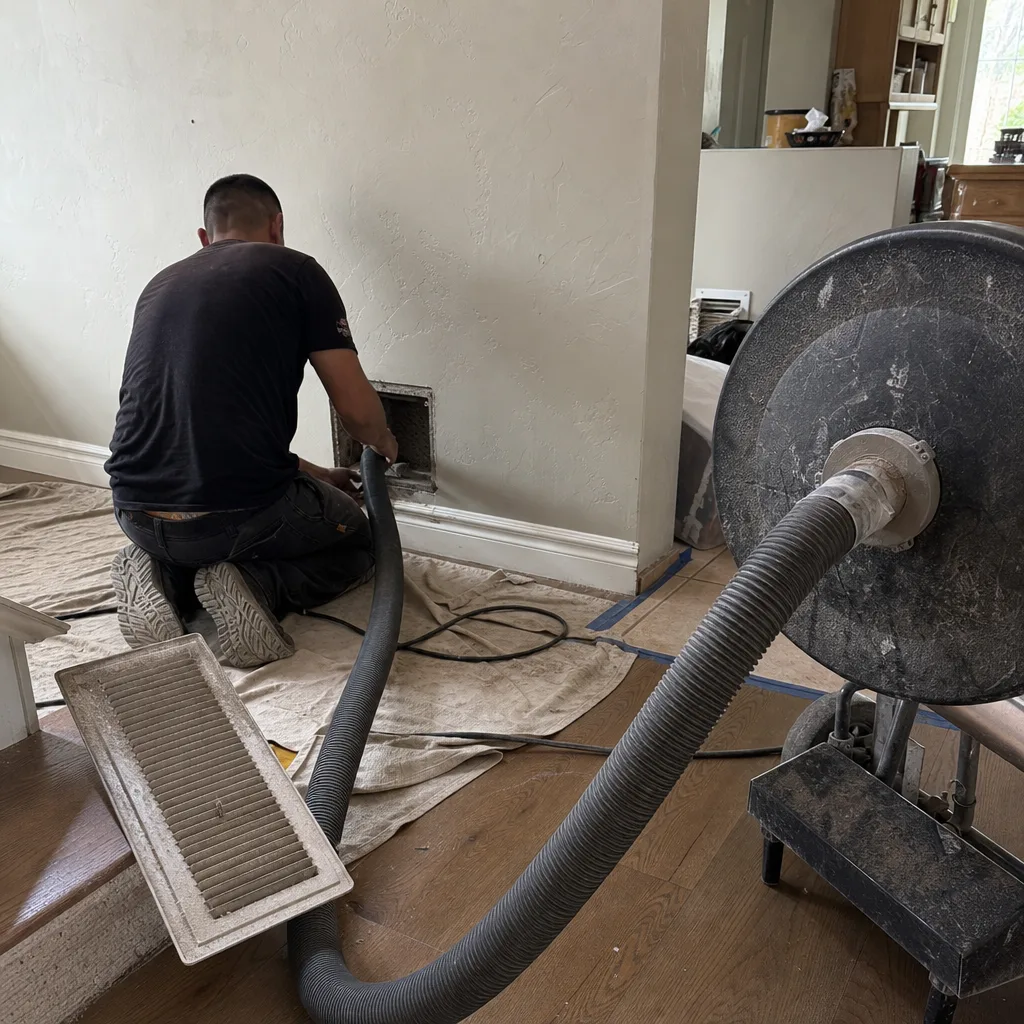
We work with the same commercial-grade systems that industrial facilities use: Rotobrush rotary brush systems for mechanical agitation, Nikro HEPA-filtered vacuums for source capture, and Abatement Technologies air filtration equipment for elevated contamination scenarios. The machinery matters because a shop vac attached to a register does not clean the duct interior. It moves dust around and leaves the walls loaded.
The company also performs air duct repair, which matters for a simple reason: cleaning a duct system with compromised seals means the ducts will re-contaminate through the same gaps that let dust in originally. The job is only complete when the cleaning and the sealing happen together.
Duct Cleaning Carlsbad offers free estimates across Carlsbad. Call (855) 353-1322. We answer 24/7. Fast dispatch from 7am to 7pm, Sunday through Friday.
Frequently Asked Questions
There is no fixed interval that applies to every home, but a reasonable guideline for Carlsbad homeowners is every 3 to 5 years for households without unusual contamination factors. Homes with shedding pets, recent remodeling, or residents with significant allergy concerns may benefit from more frequent service. The annual camera inspection is the better tool for timing your next cleaning, because it shows the actual accumulation level rather than relying on a calendar guess. Call (855) 353-1322 for a free estimate and an honest assessment of whether cleaning is warranted now.
The clearest indicators are visible dust streaks on walls near supply registers, a persistent musty odor when the system runs, reduced airflow in specific rooms, and a filter that loads unusually fast. If you see dust accumulating on furniture within days of cleaning, the duct system is distributing particulates that a filter alone cannot control. A camera inspection confirms what is happening inside. Call (855) 353-1322 to schedule an assessment.
No. The filter protects the blower and coil from incoming debris, but it does nothing for dust that has already settled in the duct system, and it does not address leaks that introduce particulates downstream of the filter. Think of the filter as a gate at the entrance. The ducts are the hallway beyond the gate, and whatever is already in the hallway stays there until it is removed. Professional air duct cleaning with source-capture equipment is what removes the accumulated material.
Duct systems distribute whatever is in them throughout the home. For people with asthma, allergies, or other respiratory sensitivities, accumulated dust, pollen, pet dander, and mold spores in the air stream can contribute to symptom flare-ups. The ducts are not the only source of indoor particulate, but they are a distribution network, and cleaning them reduces one exposure pathway. If a household member has chronic symptoms that improve away from home, the duct system deserves a professional look.
A reputable company shows you before-and-after photos from the camera scope. The photos document what the duct interior looked like before cleaning and what it looks like after. If a company will not show you this footage, ask why. The work should also include a re-inspection of accessible connections to confirm seals are intact. We believe in visual verification because the inside of a duct is invisible without a scope, and you deserve evidence, not a claim.
No, they are different services addressing different systems. Dryer vent cleaning removes lint accumulation from the laundry exhaust duct, which is a fire prevention measure. Air duct cleaning addresses the HVAC distribution system that heats and cools your home. Both matter for household safety and air quality, and they require different equipment and access points. A specialist team handles both, but they should be scheduled and priced as separate services.
The Bottom Line
Duct maintenance is not about cleaning more often. It is about monitoring more intelligently. The monthly inspection, the quarterly airflow balance check, and the annual professional camera scope form a protocol that catches problems at the earliest observable stage, before they become expensive repairs or persistent comfort complaints. Your filter loading rate, the sounds your system makes, and the smells that appear when the blower runs are all diagnostics, if you know how to read them. In Carlsbad’s thermal conditions, seal degradation is a certainty over time, not a possibility. The question is whether you find it at the hairline crack stage or after the duct has separated. The monitoring protocol in this guide exists to make sure it is the former. When the time comes for professional help, the right equipment matters. From the vent hood to the air handler, your ducts are only as clean as the equipment clearing them.
Written by the team at Duct Cleaning Carlsbad, serving Carlsbad since 2014.
See the difference
 Before
 After
 Before
 After
 Before
 After