
Last updated November 4, 2026
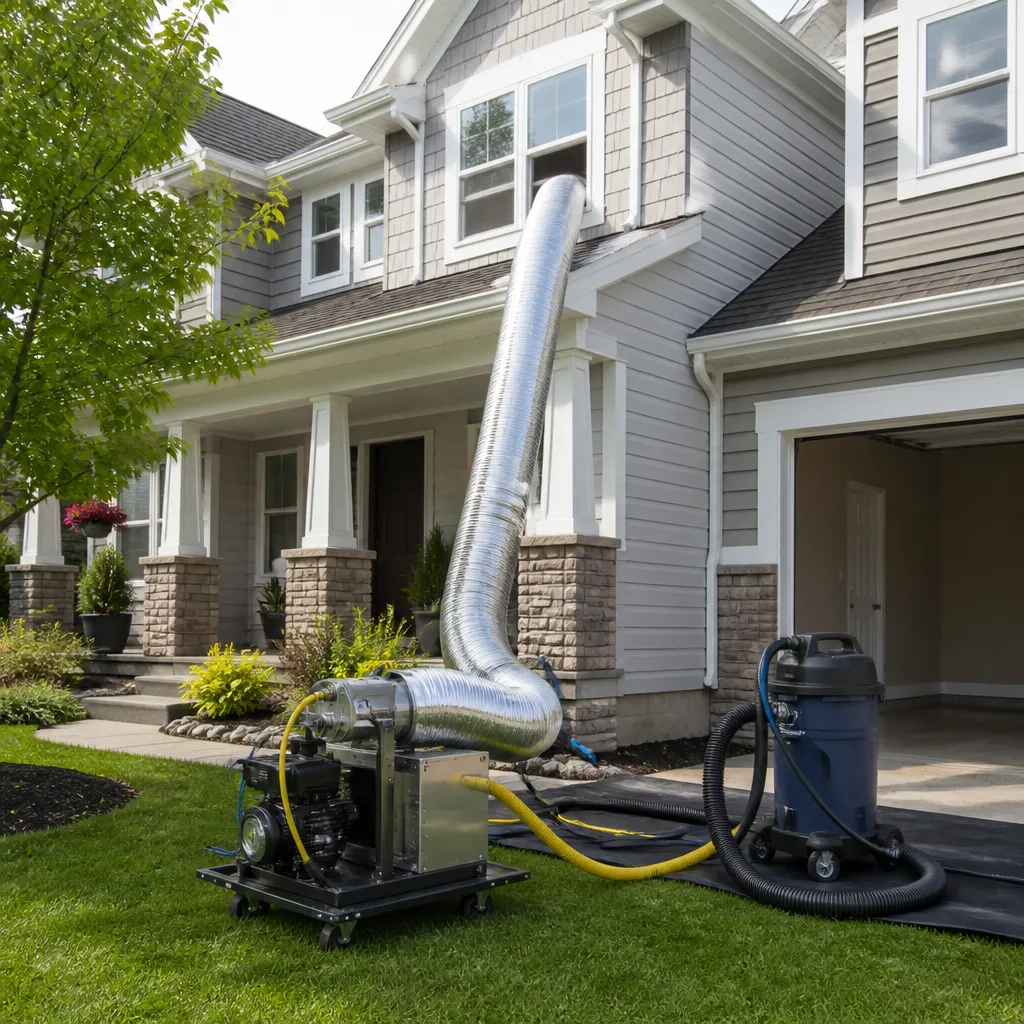 Whole-home duct cleaning
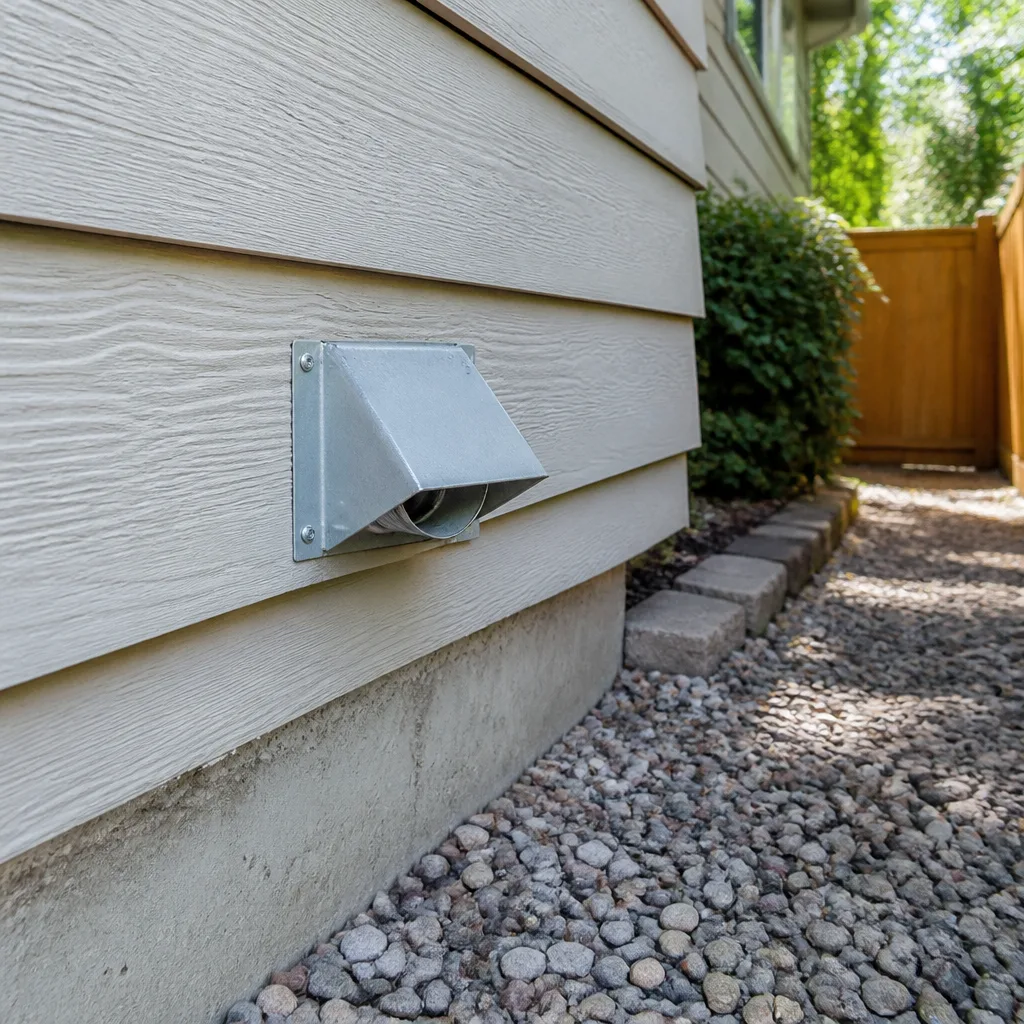 Dryer vent cleaning
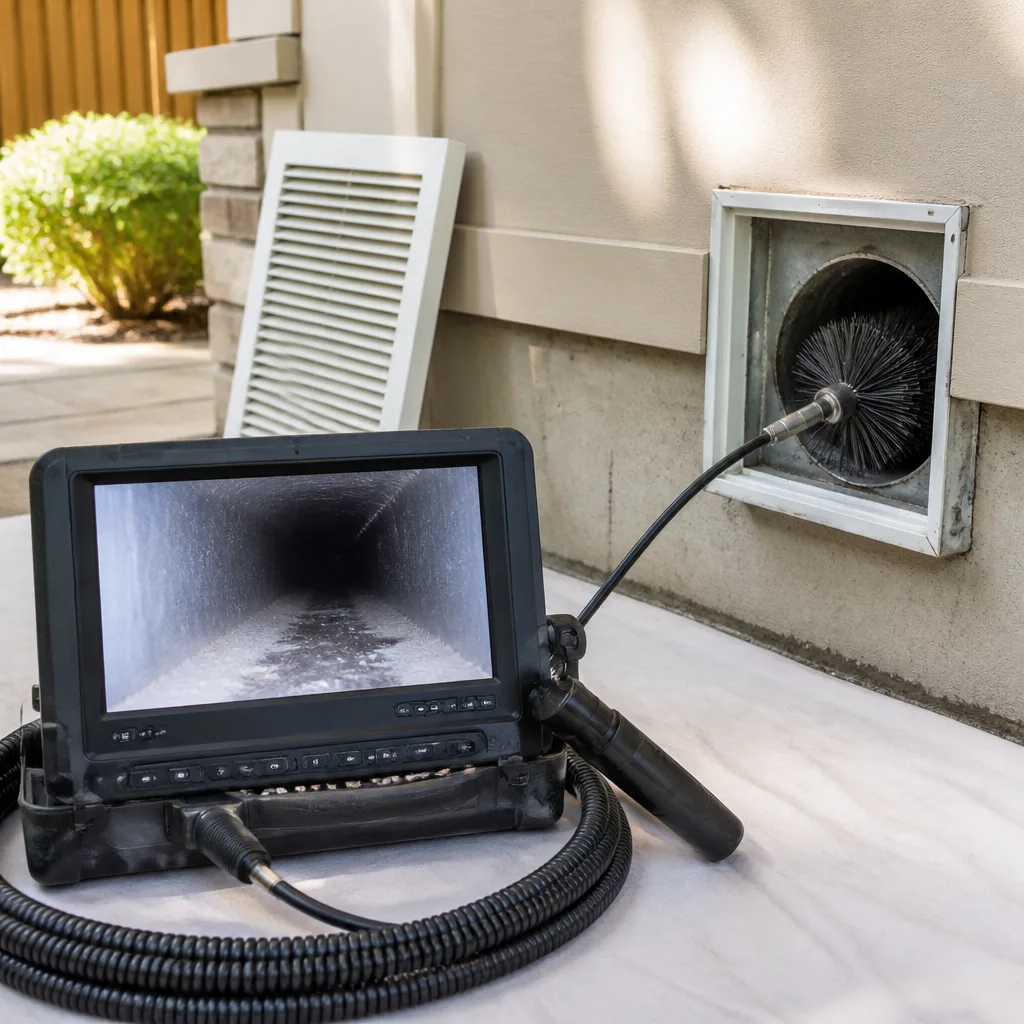 Camera inspection
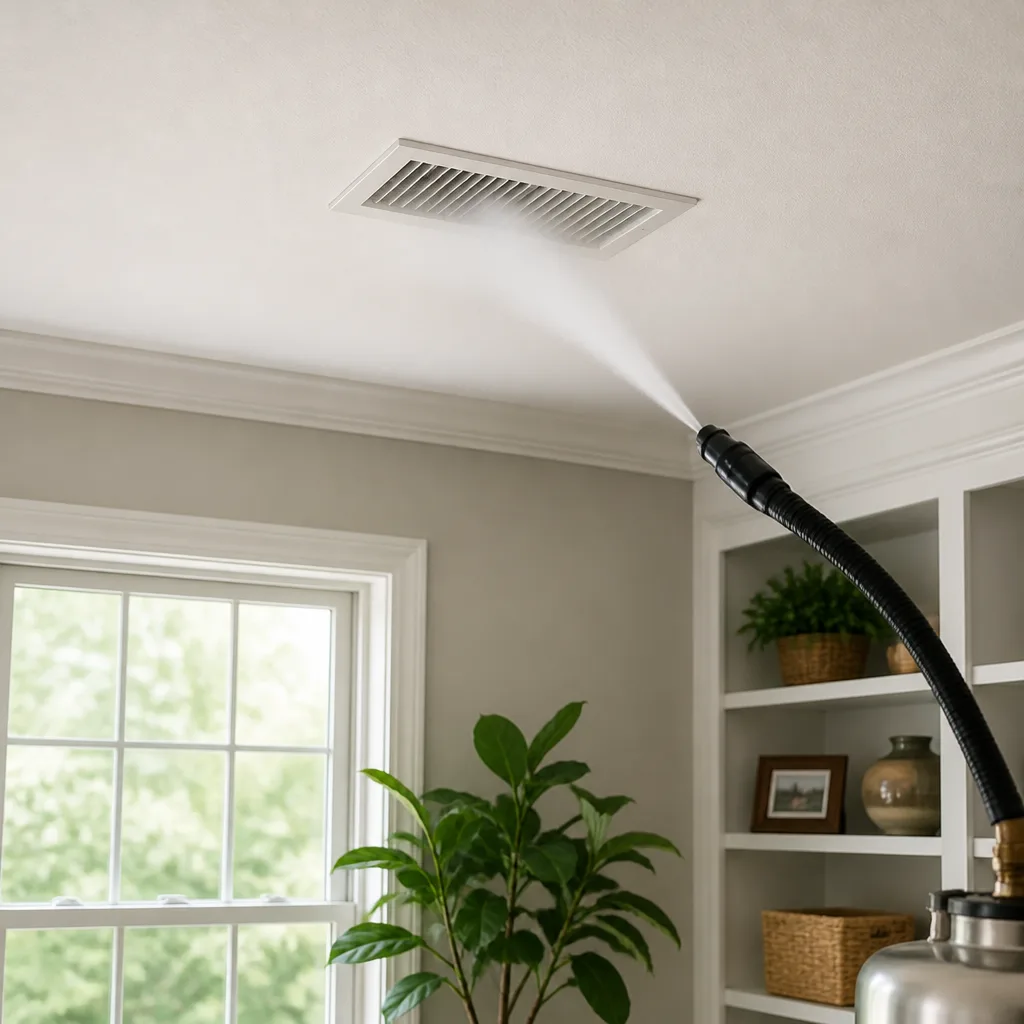 Sanitizing & deodorizing
Whole-system duct and dryer vent check with before-and-after photos - you see exactly what came out of your vents
That "$99 whole-house special" is a bait ad - the real number appears once they are in your hallway, or the "clean" is a shop-vac at the register. We photograph the inside of your ducts before and after instead.
Air Duct Cleaning Maintenance Schedule: What to Do and When
Most homeowners in Carlsbad treat air duct cleaning like a dental appointment: they know it should happen, they just can’t remember when the last one was. The commonly repeated advice is to clean your ducts every three to five years, but that’s a calendar-based guess that ignores what actually matters. The truth is that two identical houses on the same street can have wildly different duct conditions depending on pets, remodeling history, and how often the HVAC system runs. This guide replaces the generic timeline with a condition-based framework you can actually use in Carlsbad, where mild winters and long cooling seasons create a specific set of circumstances that generic national advice doesn’t address.
Quick Answer
Most Carlsbad homes should have a professional air duct cleaning every 3 to 5 years, but homes with pets, allergy sufferers, or recent renovation work should inspect more frequently and clean every 2 to 3 years. Between cleanings, check your return-air filter monthly during peak cooling season, inspect registers quarterly, and schedule an inspection any time you notice visible dust accumulation, musty odors, or reduced airflow from specific vents. Dryer vent cleaning follows its own schedule, usually every 12 to 18 months depending on laundry volume.
Styles & brands we work with
- Whole-home duct cleaning
- Dryer vent cleaning
- Camera inspection
- Sanitizing & deodorizing
Table of Contents
- Why a Condition-Based Schedule Beats a Calendar-Based One
- The Tiered Maintenance Schedule for Carlsbad Homes
- What to Check at 30, 90, and 365 Days
- Renovation and New Construction: The Acute Contamination Risk
- Dryer Vent Maintenance: The Parallel Schedule Most People Ignore
- Why Cleaning Before Summer Matters in Carlsbad
- What Professional Cleaning Actually Involves
- Common Mistakes to Avoid
Why a Condition-Based Schedule Beats a Calendar-Based One
The three-to-five-year cleaning guideline most people cite comes from a general baseline established decades ago. It was never meant to be a universal prescription, and it was written before flexible ductwork became the standard in residential construction. Flex duct has a ribbed interior surface that traps debris at every bend and joint, which means it accumulates particulate matter differently than the smooth-walled rigid metal ducts common in older homes.
In Carlsbad, the variables that actually determine how fast your ducts degrade include:
- Occupancy density: More people means more skin cells, hair, and fiber shedding. A household of six adds biological particulate matter to the air stream at a much faster rate than a couple living in the same square footage.
- Pets: Dogs and especially cats shed dander that gets pulled into return-air pathways and deposited inside ductwork. Pet hair that makes it past the filter becomes a sticky matrix that traps other debris.
- HVAC runtime: Carlsbad’s climate means systems run more hours per year than in cooler regions. More airflow means more particulate matter moving through the ducts, and more moisture cycling through the air handler.
- Renovation history: Any past construction, drywall work, or flooring removal creates fine dust that can remain suspended in ducts for years unless actively removed. This is an acute contamination event, not a gradual buildup.
- Occupant sensitivity: Allergy and asthma sufferers notice duct contamination sooner because their respiratory systems react to irritants at lower concentrations. The duct condition hasn’t changed, but the tolerance threshold in the household has.
This is why a condition-based approach works better than marking a calendar date. In our experience, two similar homes in Carlsbad can have duct systems in completely different states depending on whether the homeowners run a high-efficiency filter, how many cats live indoors, and whether the previous owners ever opened the register boots during construction.
The Tiered Maintenance Schedule for Carlsbad Homes
Different households need different inspection and cleaning intervals. Here is a practical framework based on what we see in Carlsbad homes of varying profiles:
Tier 1: Standard Household (No Pets, No Allergies, No Renovation History)
- Professional cleaning interval: Every 4 to 5 years
- Self-inspection interval: Quarterly register checks, monthly filter checks during summer
- Watch for: Visible dust accumulation on return grilles, increased household dust settling on furniture
- Typical profile: Two adults, filtered air, moderate HVAC usage, no recent construction
Tier 2: Household with Pets or Allergy/Asthma Concerns
- Professional cleaning interval: Every 2 to 3 years
- Self-inspection interval: Monthly filter replacement, quarterly register checks, seasonal odor assessment
- Watch for: Pet hair accumulation at return-air grilles, increased sneezing or respiratory irritation indoors, musty smell when system cycles on
- Typical profile: One or more indoor pets, family members with respiratory sensitivities, higher-than-average HVAC runtime
Tier 3: Post-Renovation or New Construction
- Professional cleaning interval: Once immediately after construction completes, then reassess within 12 to 24 months
- Self-inspection interval: Weekly visual checks of registers and returns for the first month after move-in
- Watch for: Fine white or gray dust at register covers, drywall dust accumulation inside the air handler, gritty texture on interior surfaces
- Typical profile: Any home that has undergone drywall work, flooring replacement, sanding, or full remodeling within the last three years
Tier 4: Coastal Carlsbad Humidity Exposure
Carlsbad homes within a few miles of the coast experience persistent humidity that inland homes don’t. This isn’t salt air, but it is elevated moisture that interacts with organic debris inside ductwork. Homes in the 92008 and 92011 ZIP codes, for example, see more condensation inside unconditioned duct runs in attics and crawl spaces than homes further east. For these properties, we recommend:
- Professional cleaning interval: Every 3 years minimum, with particular attention to the air handler and evaporator coil area
- Self-inspection interval: Monthly filter changes year-round, not just during summer, and quarterly visual inspections of accessible supply ducts
- Watch for: Dark staining around register openings, increased visible dust that reappears quickly after cleaning surfaces, any sign of moisture or corrosion at accessible duct connections
What to Check at 30, 90, and 365 Days
Between professional cleanings, there are specific signals that tell you whether your ducts are degrading faster than your cleaning interval accounts for. Here’s a structured checklist that works for any air duct cleaning maintenance plan in Carlsbad:
30-Day Checks (Monthly During Cooling Season)
- Inspect the return-air filter. Hold it up to a light. If you can’t see light through it, replace it. In Carlsbad’s summer months, a basic 1-inch fiberglass filter may load up in as little as 30 days depending on dust load and pet dander.
- Check the return-air grille face. A visible film of dust or pet hair on the grille face means the filter isn’t capturing fine particulate matter, or the filter is bypassing air around its edges. This is one of the earliest indicators that particulate matter is entering the duct system.
- Note any new odors. When the system first cycles on, pay attention to the first 30 seconds of airflow. A stale, musty, or damp smell that fades quickly usually points to accumulated organic matter inside the air handler or ducts.
90-Day Checks (Quarterly)
- Inspect register covers for dust accumulation. Remove one or two supply registers and look at the interior of the register boot and the first visible length of duct. A fine layer of gray powder here is normal. A thick, textured accumulation indicates the duct system is holding more particulates than airflow alone will clear.
- Compare airflow between rooms. Rooms that consistently feel stuffier or receive noticeably weaker airflow may have restricted duct runs. This could mean debris accumulation inside the duct, a disconnected or torn flex duct section, or a damper issue.
- Check for visible dust settling rates. If horizontal surfaces in your home accumulate a visible dust layer within three to four days of cleaning, the HVAC system is likely distributing particulate matter rather than filtering it. This is one of the clearest signs that professional cleaning or repair is overdue.
365-Day Checks (Annually)
- Inspect the air handler interior. If you can safely remove the blower access panel, check for dust accumulation on the blower wheel, motor housing, and evaporator coil. A thick gray or brown coating means debris has been bypassing the filter and entering the system at the return side or through duct leaks.
- Look for signs of duct leakage. Disconnected flex duct sections in attics or crawl spaces pull unfiltered air into the system. Signs include unusually dusty attic air near duct runs, visible gaps or tears in flex duct outer jackets, and uneven temperatures between rooms that persist despite adjusting dampers.
- Evaluate the condition of the duct insulation. In Carlsbad’s attics, duct insulation can degrade over time from heat exposure and physical disturbance. Compromised insulation leads to condensation on the duct exterior, which creates conditions where biological growth can occur inside the ducts.
These inspections take ten minutes once you know what to look for, and they are the difference between catching a developing problem at the inspection stage versus discovering it after a full contamination event. When one of these checks reveals something outside the normal range, that’s the moment to call for a professional assessment, not to wait for the next calendar-cleaning date.
Renovation and New Construction: The Acute Contamination Risk
The highest-risk scenario for duct contamination isn’t gradual accumulation. It’s a remodel, and many Carlsbad homeowners don’t realize it until weeks after the contractor has packed up and left.
Drywall dust is the primary culprit. It’s fine enough to remain suspended in air for extended periods, and when the HVAC system runs during construction, that dust gets pulled into return-air pathways and distributed throughout the duct network. The problem compounds when the dust settles inside flex duct, where the ribbed interior surface holds onto it. A standard filter can’t remove what’s already inside the ducts.
Flooring work creates a different kind of contamination. Sanding hardwood floors produces wood dust that behaves similarly to drywall dust, while carpet removal releases years of embedded fibers, dirt, and degraded padding particles into the air. All of this material can enter the duct system through open register openings or return-air pathways that are left exposed during construction.
New construction presents the same issue even if you bought the home brand new. The HVAC system is often run during the final weeks of construction to condition the interior for finishing work like paint and trim. This means the ducts are actively pulling construction dust through the system before the home is even occupied. By the time you move in, the ducts may already contain a layer of drywall dust and construction debris that will circulate through your home for months until actively removed.
The practical takeaway is simple: after any renovation project that involves drywall, sanding, or flooring work, a professional duct cleaning should be treated as the final step of the project, not a separate maintenance decision. The same applies to newly constructed homes in Carlsbad before move-in furniture arrives and the system begins running on a normal schedule.
This is one area where equipment quality matters directly. A Duct Cleaning Carlsbad technician using a Rotobrush rotary brush system is mechanically agitating drywall dust out of flex duct interiors, where it has been packed into the ribbed surface by airflow. A consumer-grade vacuum with a brush attachment cannot generate enough agitation or airflow velocity to remove it. The difference between a professional cleaning and a surface-level attempt is measurable in what stays behind in the ducts.
Dryer Vent Maintenance: The Parallel Schedule Most People Ignore
Most homeowners think of their air ducts and their dryer vent as two separate systems, and that’s exactly why dryer vents run years past their safe service interval. The dryer vent is part of your home’s airflow infrastructure, and it degrades on a different schedule than your HVAC ducts because it handles a different kind of material: lint, and the moisture that comes with it.
Every dryer cycle generates lint and fibers that the dryer’s internal lint screen catches only partially. A significant percentage passes through the screen and enters the vent line, where it accumulates on the interior surface. The accumulation narrows the vent diameter over time, which increases back pressure against the dryer, extends drying time, and puts additional wear on the dryer’s heating element and motor. More critically, lint is highly combustible. When it accumulates deep inside the vent line, it becomes the fuel source that turns a dryer malfunction into a house fire.
Every clothes dryer in the United States ships with a manufacturer specification for vent line maximum length and maximum number of bends. When lint accumulates inside that line, it effectively reduces the diameter and creates the same conditions as an over-restricted vent system, even if the installation followed the manufacturer’s original specifications.
For Carlsbad homeowners, dryer vent cleaning should be scheduled on its own cycle, independent of the HVAC duct cleaning schedule. A household of four doing regular laundry typically generates enough lint accumulation to justify professional vent cleaning every 12 to 18 months. A household with multiple pets, frequent laundry loads, or a long vent run with multiple elbows will need more frequent attention. The signals are simple: clothes take longer to dry, the dryer exterior gets hotter than normal during operation, or you notice a burning smell when the dryer runs. Any of these is a reason to schedule a cleaning immediately, not to wait for the next appliance maintenance cycle.
Why Cleaning Before Summer Matters in Carlsbad
Timing matters, and in Carlsbad the critical window is before summer, not after. Here’s the reasoning, and it has everything to do with how heat and humidity interact with whatever is already inside your ducts.
During Carlsbad’s summer months, temperatures regularly push into the 80s and 90s, and the humidity climbs with them, especially in coastal neighborhoods. Warm, humid air holds more moisture, and that moisture interacts with any organic material inside your duct system: accumulated skin cells, pet dander, dust mites, and the biological fragments that make up a significant portion of household dust. The warm environment inside a home’s HVAC system during summer operation creates conditions that accelerate biological growth. Organic matter that sat dormant through the mild winter months can become active as temperatures climb and moisture levels rise.
This is not a scare claim. It’s a physical reality of how temperature and humidity interact with accumulated debris in an enclosed, dark, and relatively undisturbed space. The air handler and duct interior in summer become a different environment than in winter, and the difference is measurable in what a professional cleaning removes depending on the season in which it’s performed.
The practical outcome is this: if your ducts are at or near their cleaning interval threshold, cleaning them before summer begins removes the organic load before the heat and humidity arrive, rather than after several weeks of warm, moist air has had time to interact with it. If you wait until fall, you’ve spent an entire summer running contaminated air through the system while biological growth may have been developing inside the air handler. The contaminate load you clean in October can be measurably different from what would have been removed in May.
For Carlsbad homeowners planning around this, the time to schedule is late spring, before the furnace-to-AC transition fully completes and before the first extended heat wave arrives. This also happens to be the time when HVAC contractors are busy switching systems over, so scheduling a week or two in advance is the practical approach.
What Professional Cleaning Actually Involves
Understanding what professional duct cleaning actually involves helps you evaluate whether the service you’re paying for is real or superficial. The air duct cleaning process, when done properly, is a mechanical cleaning operation, not a vacuuming operation.
The core principle is simple: particulate matter adheres to the interior surfaces of your ducts, and removing it requires agitation before extraction. A vacuum, no matter how powerful, cannot pull dust off a surface that dust is adhered to. It can only pull what is already loose and floating. This is why professional duct cleaning equipment exists, and why the equipment used matters so much more than the price charged.
At Duct Cleaning Carlsbad, the process starts with a visual inspection of register openings, return-air pathways, and the air handler. From there, each supply duct branch is mechanically agitated using a Rotobrush rotary brush system, which sends a rotating brush through the full length of the duct run. The brush loosens adhered particulate matter from the interior surface. As the brush passes, a Nikro commercial HEPA vacuum system is connected at the nearest access point to capture the dislodged material at the source, so it doesn’t recirculate into the home.
The same process is applied to return-air pathways, and then to the air handler itself, where accumulated debris on the blower wheel and motor housing is removed. The difference between this approach and a typical “shop-vac from the register” cleaning is the mechanical agitation, the HEPA filtration, and the coverage of the entire system from the vent hood to the air handler.
The repair component is the differentiator most homeowners don’t discover until after their cleaning is done. If the inspection reveals torn flex duct sections, disconnected joints, or compromised connections, cleaning alone won’t solve the underlying problem. Debris will re-enter the system through any leak, and the clean ducts will gradually re-contaminate. Duct Cleaning Carlsbad handles air duct repair as part of the same scope of work, which is a capability most cleaning-only competitors don’t offer.
The technical skillset extends beyond the ductwork itself. The company services and supports Honeywell and Aprilaire air-quality systems, which means the technicians understand how the filtration and air-quality equipment connects to the duct system as a whole. That’s a different perspective from a generalist who treats the ducts as isolated tubes running through the walls.
Common Mistakes to Avoid
- Replacing the filter and assuming the ducts are clean. The filter only captures what’s entering the return-air stream. It does nothing for anything already accumulated inside the ducts, on the coil, or in the air handler.
- Scheduling cleaning only when you can smell mold. By the time odor is noticeable, contamination is advanced. Visible register dust, persistent household dust, and uneven airflow are earlier signs that cleaning is overdue.
- Cleaning your ducts and skipping the dryer vent. These are separate systems with separate build-up rates. Homeowners who clean both at once save time and address two airflow systems that both affect home health and safety.
- Running the HVAC system during renovation or drywall work. This actively pulls construction dust into the ducts and distributes it through the home, making a much larger cleaning job necessary afterward. Seal off return-air openings and run the system as little as possible during construction.
- Choosing a cleaner based on price alone. Duct cleaning prices in Carlsbad vary widely, and the variance usually comes down to equipment quality, time spent on the job, and whether the cleaner actually agitates the duct interior or just vacuums from the register. The cheapest option often skips the mechanical agitation that makes the cleaning effective.
- Neglecting duct repair after cleaning. If your ducts have leaks, disconnected sections, or torn flex runs, cleaning is a short-term fix. Contaminant re-entry through the leak will undo the cleaning within months.
- Using the wrong filter type for the system. Overly restrictive filters on systems not designed for them reduce airflow and increase energy costs. Under-restrictive filters let too much through. Match the filter to the system’s airflow design, not to the marketing on the filter package.
When to Call a Professional
You should schedule a professional assessment any time you notice multiple signs developing together: visible dust accumulation on registers that returns quickly after cleaning, rooms with chronically weak airflow, musty odors when the system cycles on, or a household allergy situation that worsens during cooling season. Any recent renovation or new construction in Carlsbad is an immediate reason to schedule cleaning before you settle into the home. Dryer vent symptoms like extended drying times, excessive heat from the dryer, or a burning smell deserve the same urgent attention. Duct Cleaning Carlsbad offers free estimates in Carlsbad, and the inspection that comes with it will tell you exactly what condition your ducts are in and whether cleaning or repair is the right next step. Call (855) 353-1322. We answer 24/7. Fast dispatch from 7am to 7pm, Sunday through Friday.
See the difference
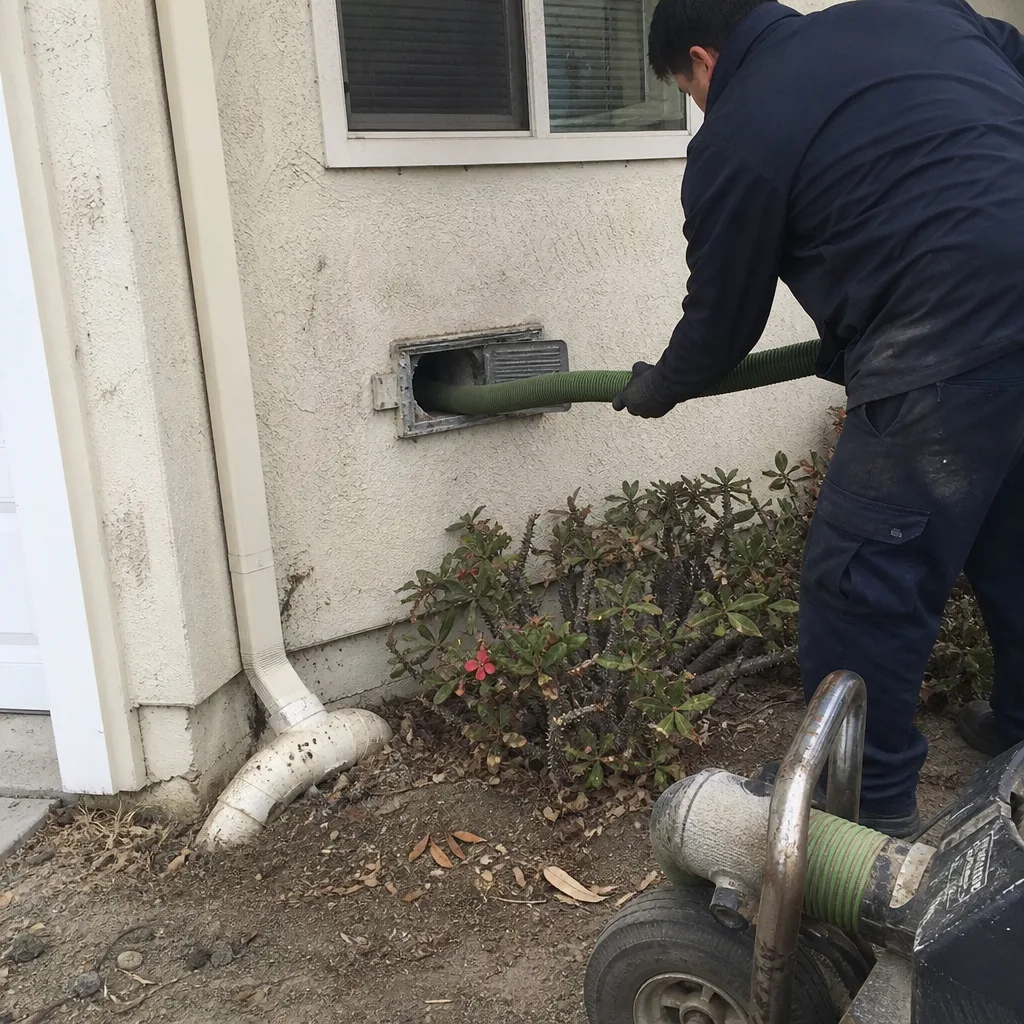 Before
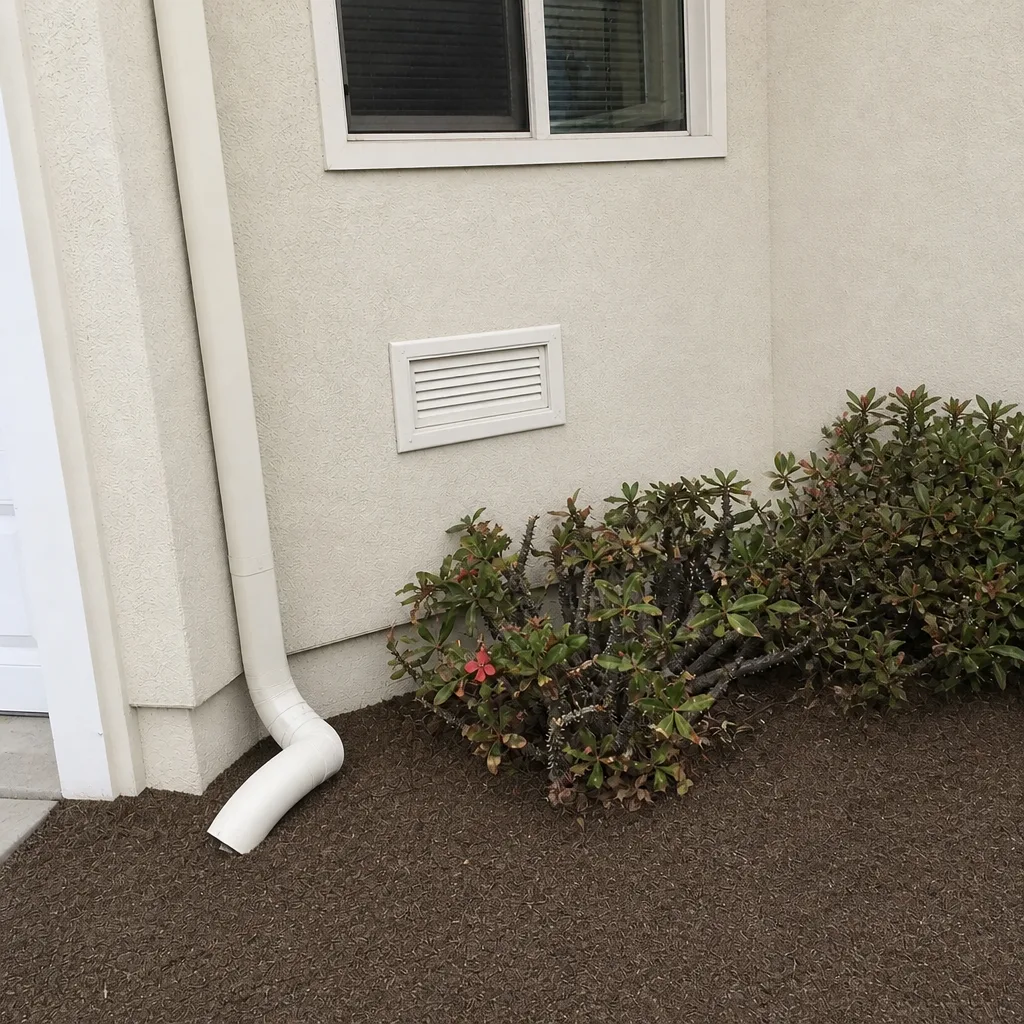 After
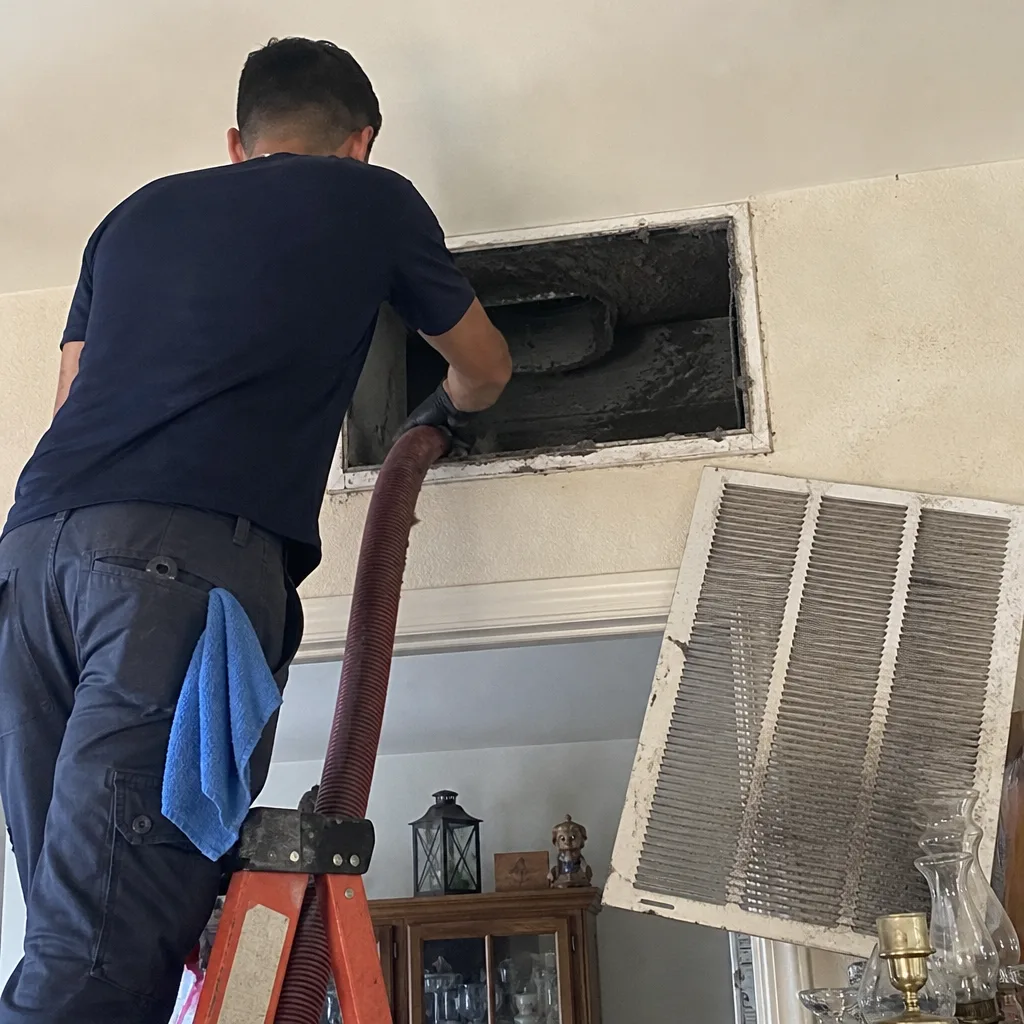 Before
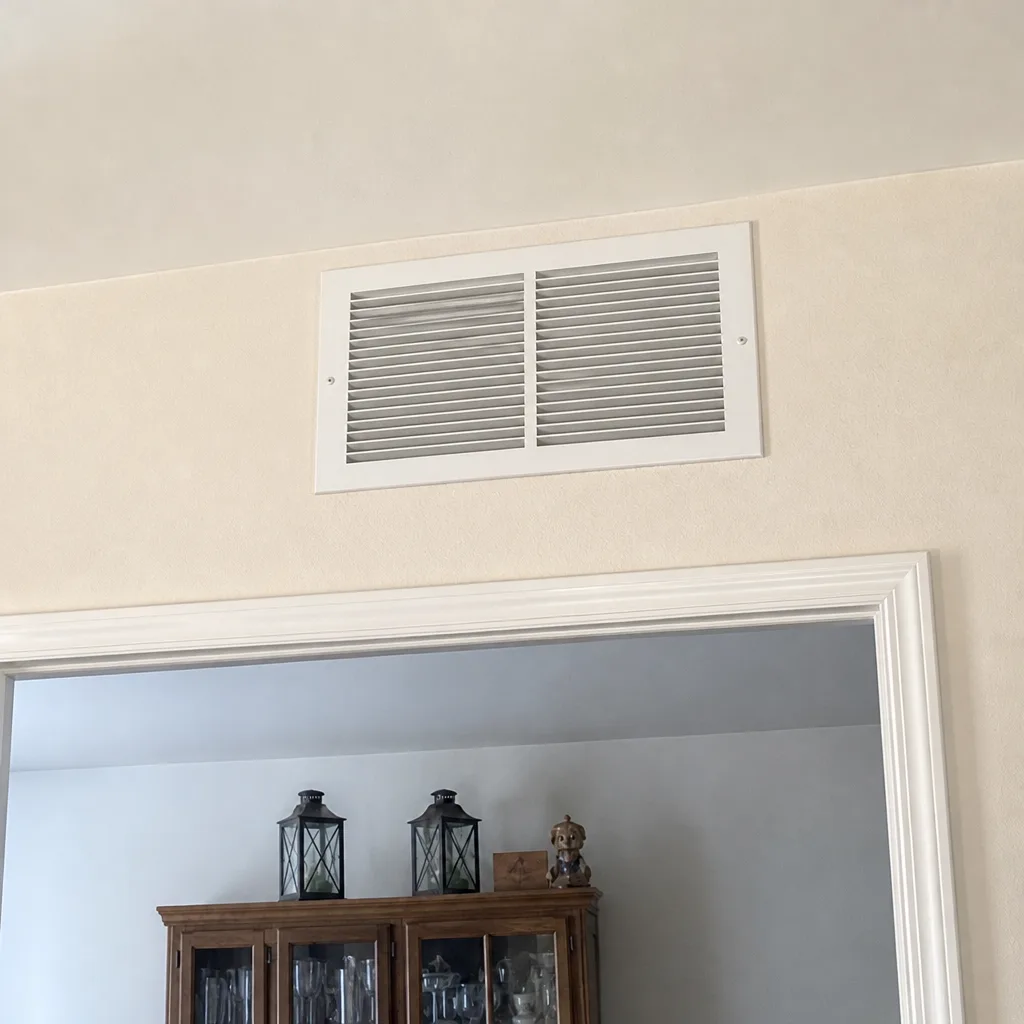 After
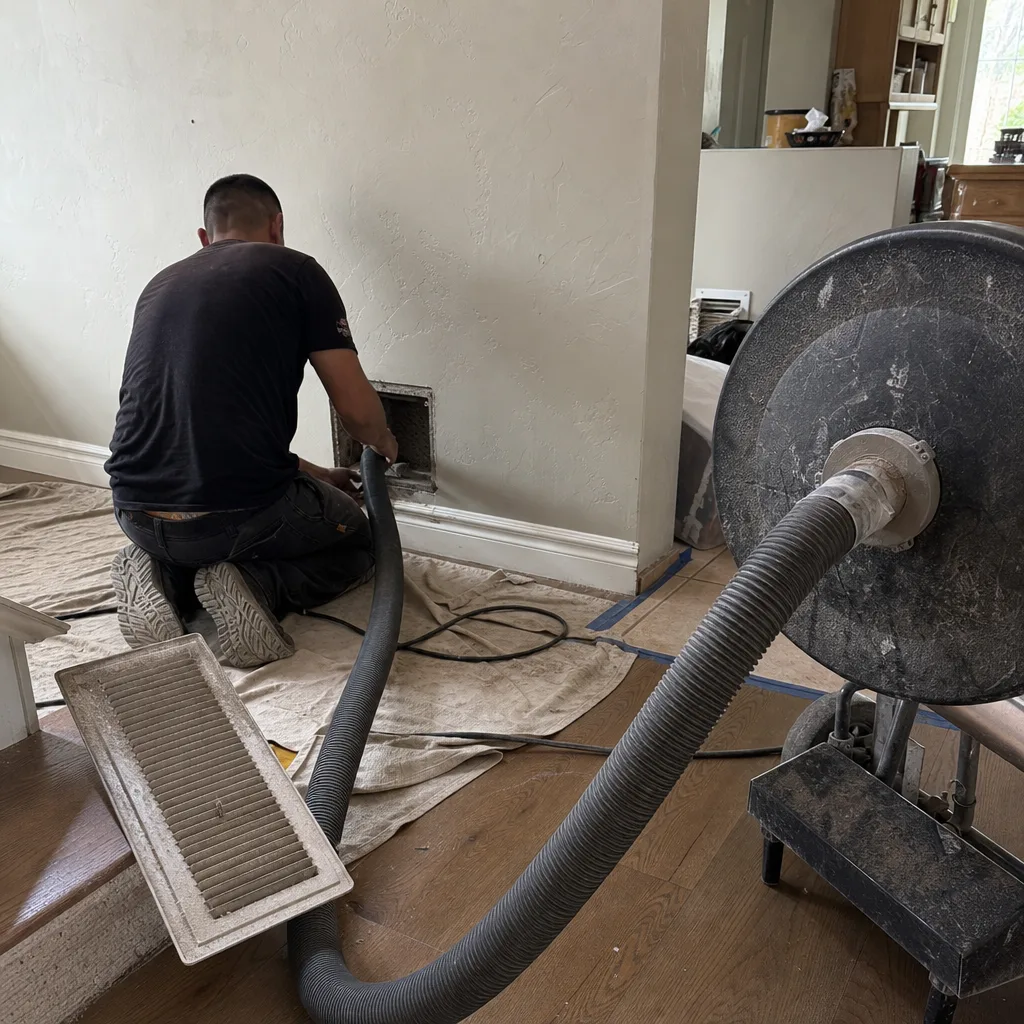 Before
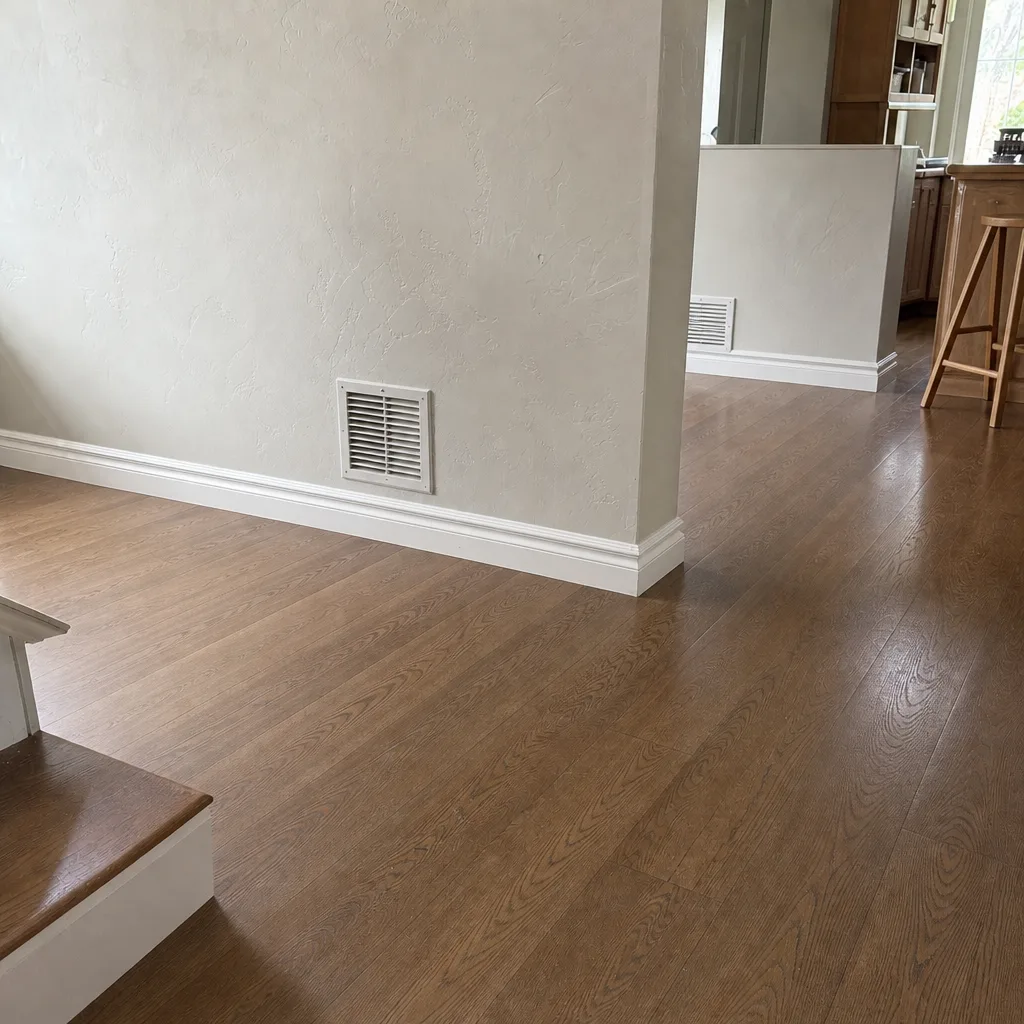 After
Frequently Asked Questions
Most Carlsbad homes should have professional air duct cleaning every 3 to 5 years, with homes that have pets, allergy sufferers, or coastal humidity exposure cleaning every 2 to 3 years. The right interval depends on your specific household conditions, not just the calendar. Call (855) 353-1322 for a free assessment that will tell you where your ducts currently stand.
Carlsbad duct cleaning pricing varies based on system size, number of registers, accessibility, and the amount of accumulated contamination, with typical residential jobs running higher than the national average due to the local market. The written estimate sets the final price before any work begins, so there’s no bait-and-switch after the van arrives.
A homeowner can replace filters, clean register covers, and inspect accessible duct sections, but effective cleaning requires mechanical agitation and HEPA extraction equipment that reaches the full length of each duct run. Consumer tools simply cannot access or agitate the interior surfaces of ductwork the way professional Rotobrush and Nikro systems can.
Look for visible dust accumulation on register covers that returns within days of cleaning surfaces, rooms with consistently weak airflow, musty odors during the first moments of system operation, or increased allergy symptoms at home that improve when away. Any one of these signs justifies a professional inspection, and several together indicate cleaning is overdue.
Duct cleaning removes accumulated dust, dander, and organic debris from the distribution system that delivers air to every room, which reduces the particulate load an allergy-sufferer is exposed to when the HVAC runs. It doesn’t eliminate the source of allergens, but it removes the reservoir that keeps re-releasing them into the air stream.
Yes, scheduling both services together is practical because they both involve cleaning airflow pathways, and homes with heavily soiled HVAC ducts often have dryer vents in similar condition. The dryer vent accumulates lint on a different cycle, usually every 12 to 18 months, but coordinating both services with one visit saves time and ensures neither system is neglected.
The Bottom Line
A maintenance schedule that works is one that responds to conditions, not dates. Check your filter monthly during cooling season, inspect registers quarterly, and do a thorough annual inspection that includes the air handler and accessible duct sections. Use the tiered framework to determine whether your household is a standard case or one that needs more frequent attention. Treat renovation and new construction as immediate triggers for professional cleaning, not routine maintenance items. And keep the dryer vent on its own schedule, because it runs on a different cycle than the HVAC ducts. When your inspection turns up signs that cleaning or repair is needed, act on them without waiting for the next calendar reminder.
Written by the team at Duct Cleaning Carlsbad, serving Carlsbad since 2014.