
Last updated November 4, 2026
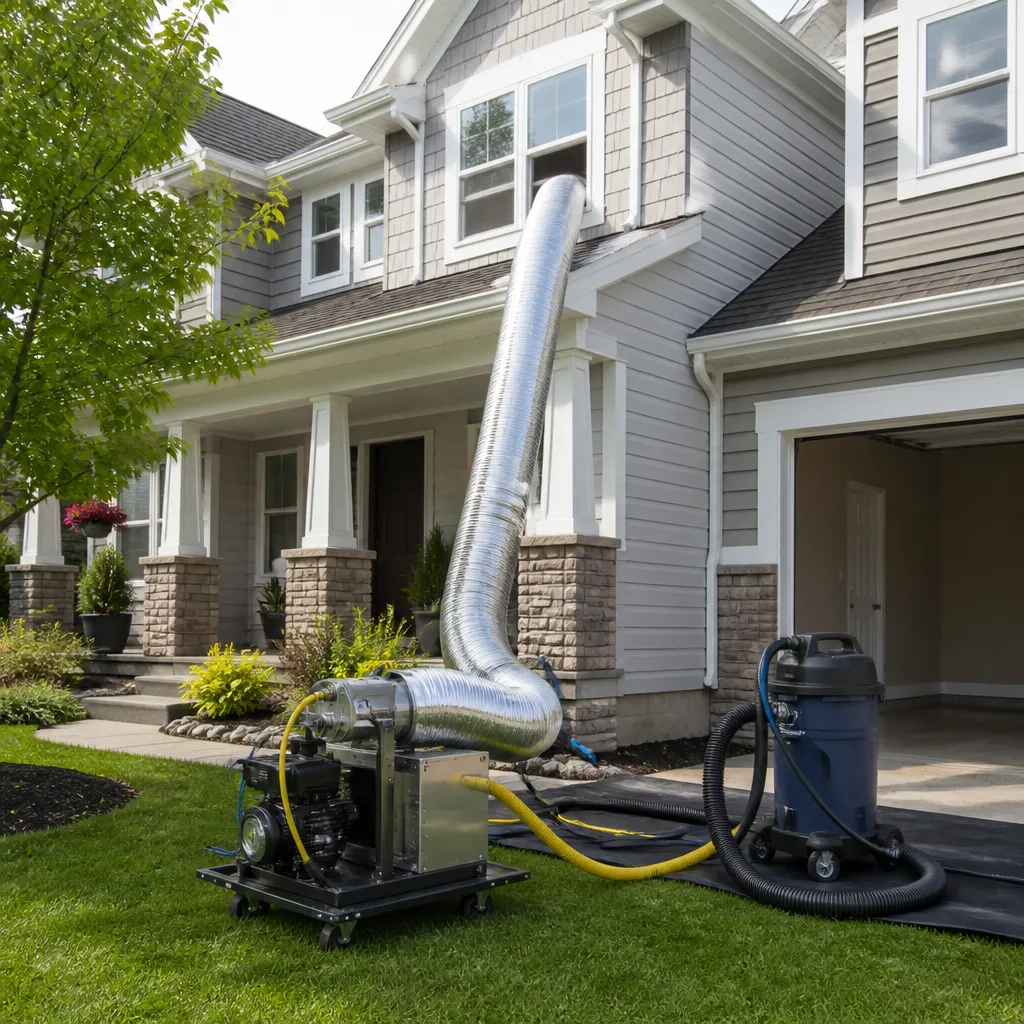 Whole-home duct cleaning
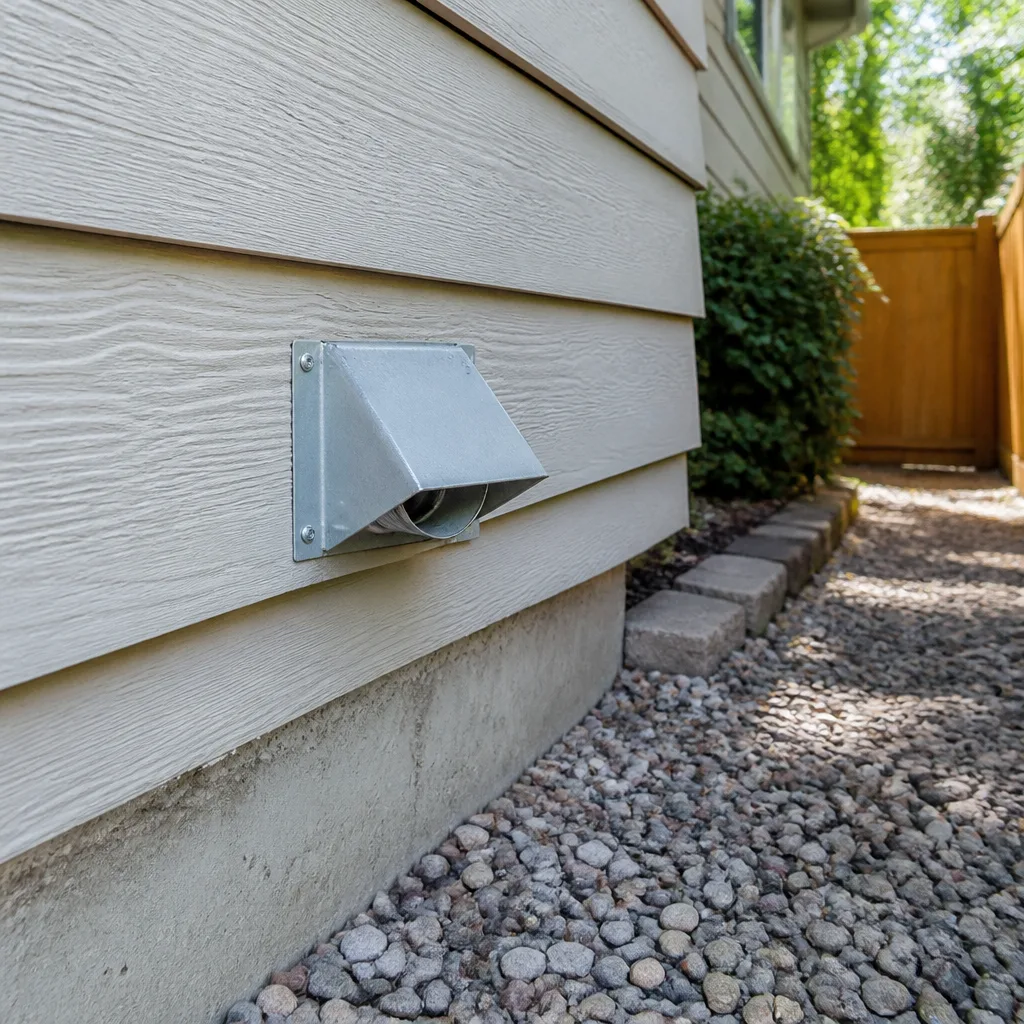 Dryer vent cleaning
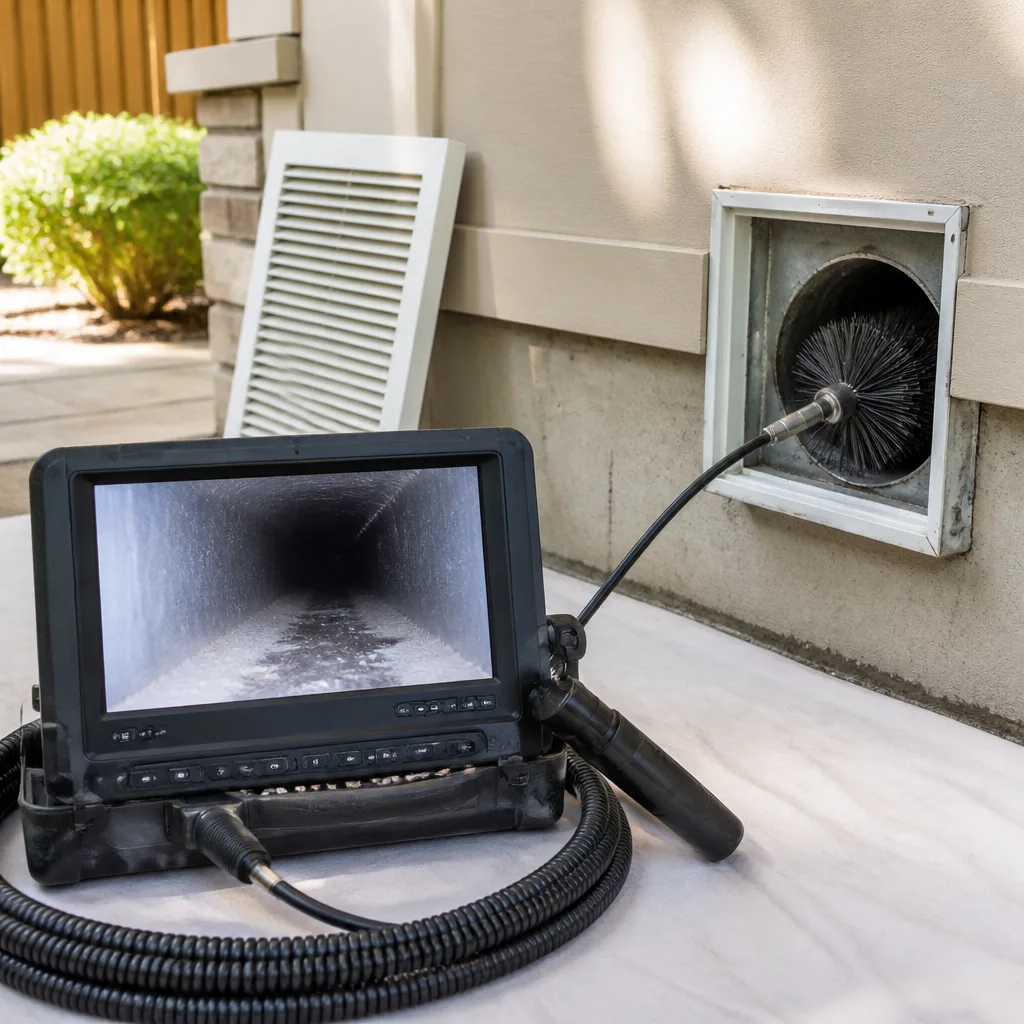 Camera inspection
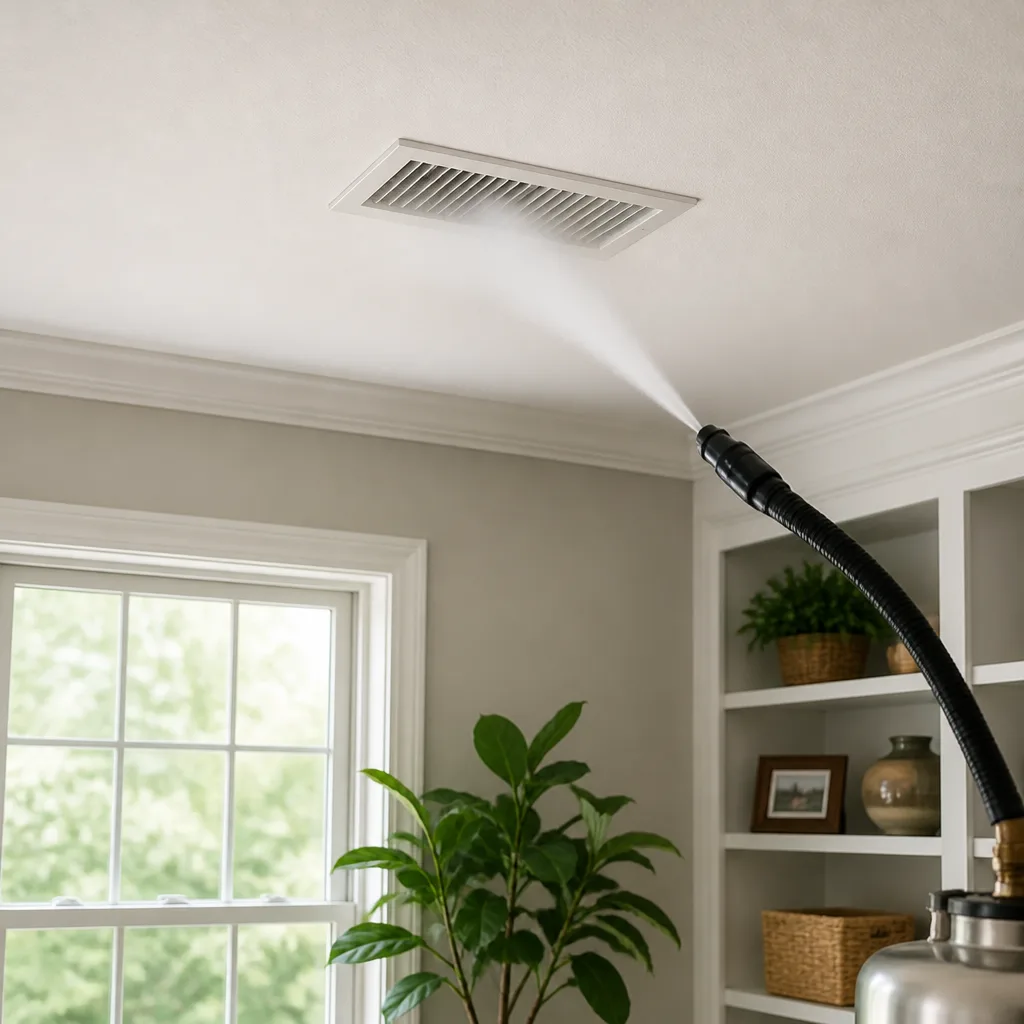 Sanitizing & deodorizing
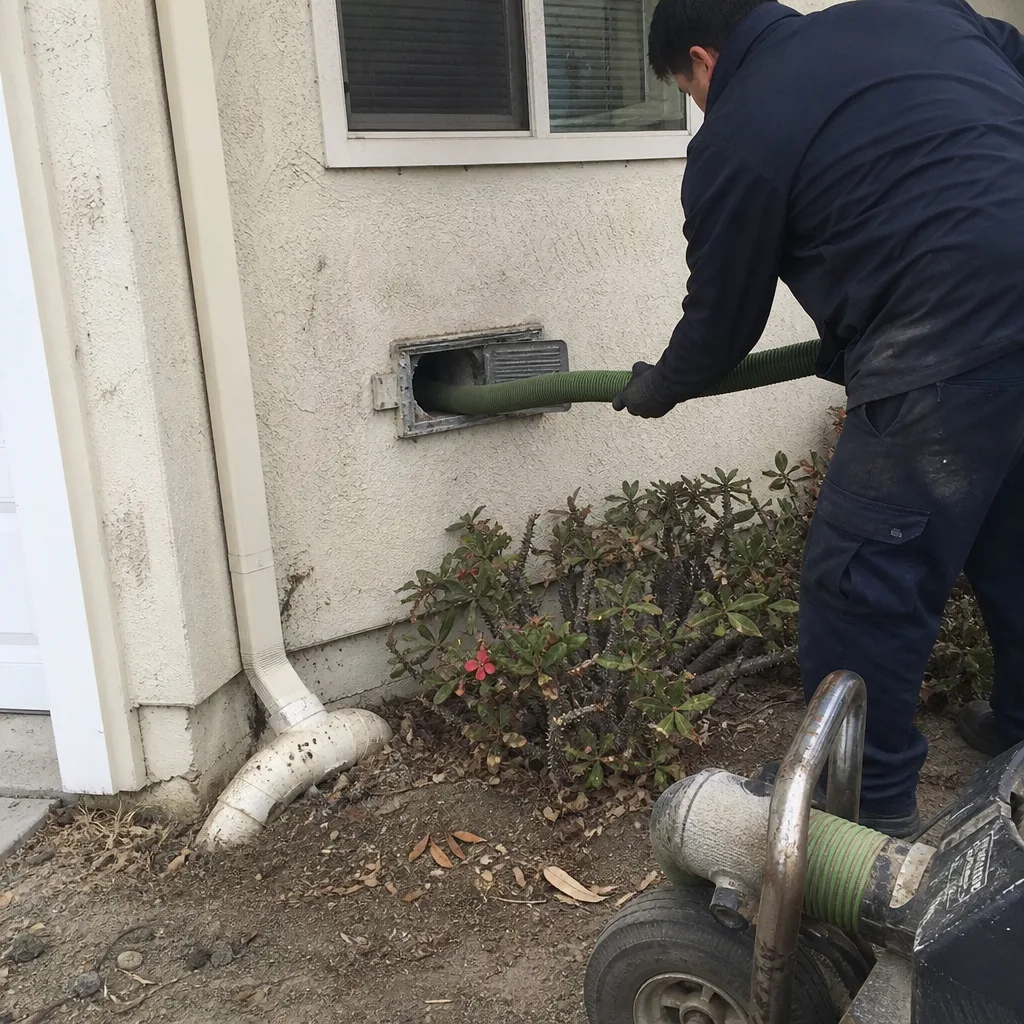
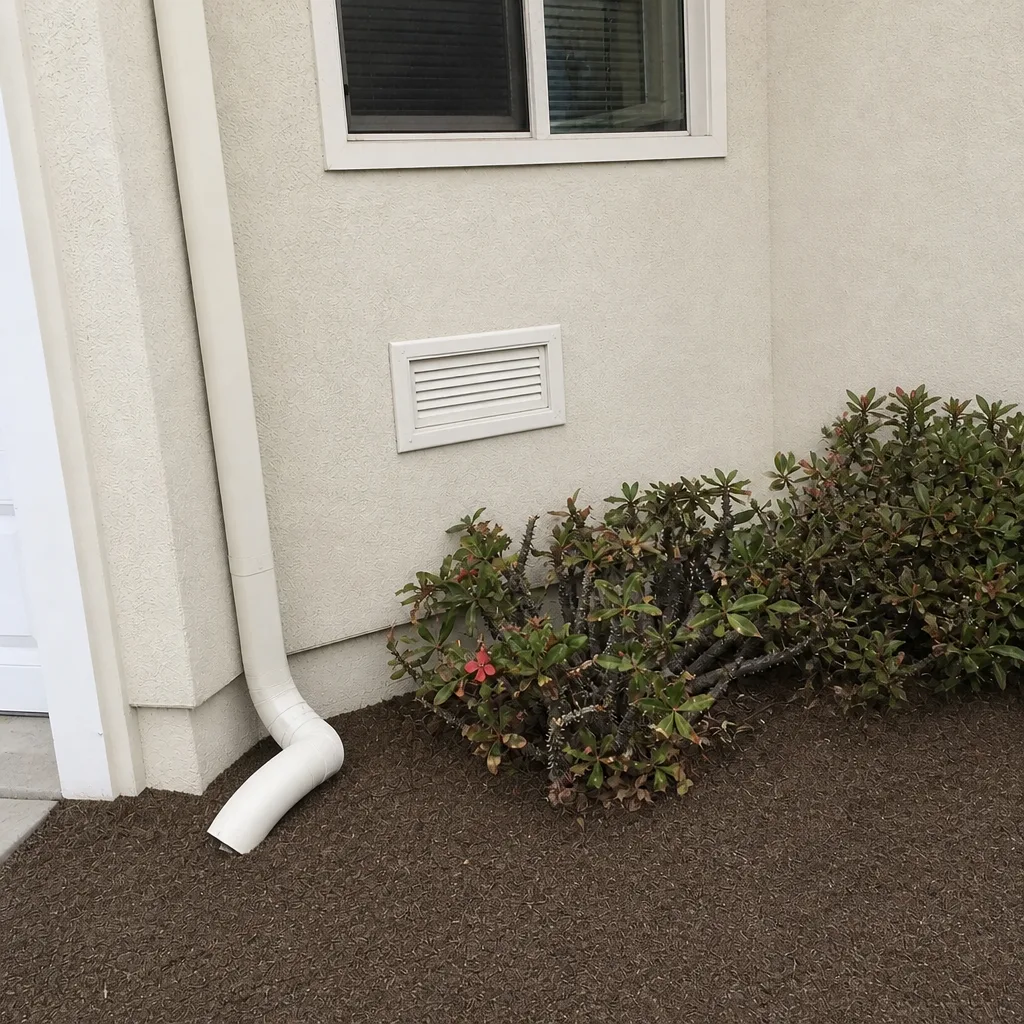
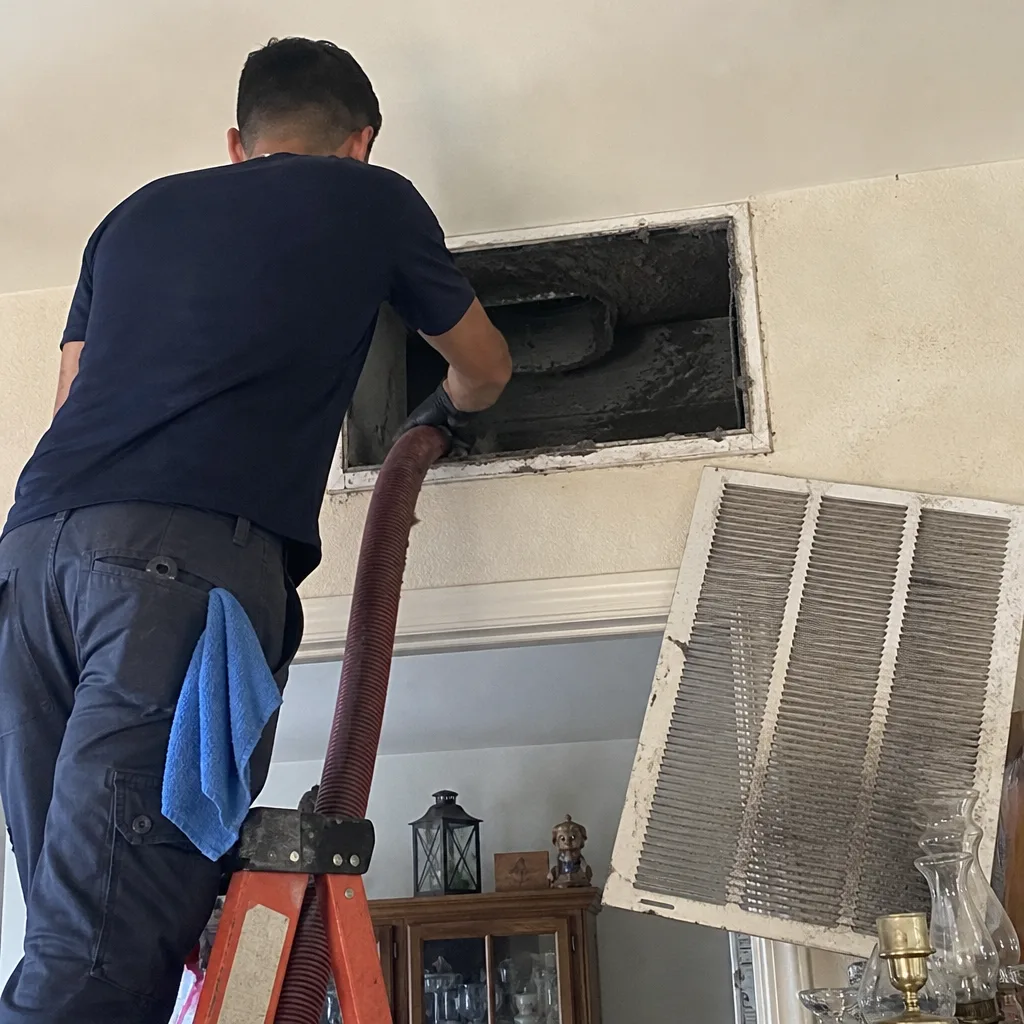
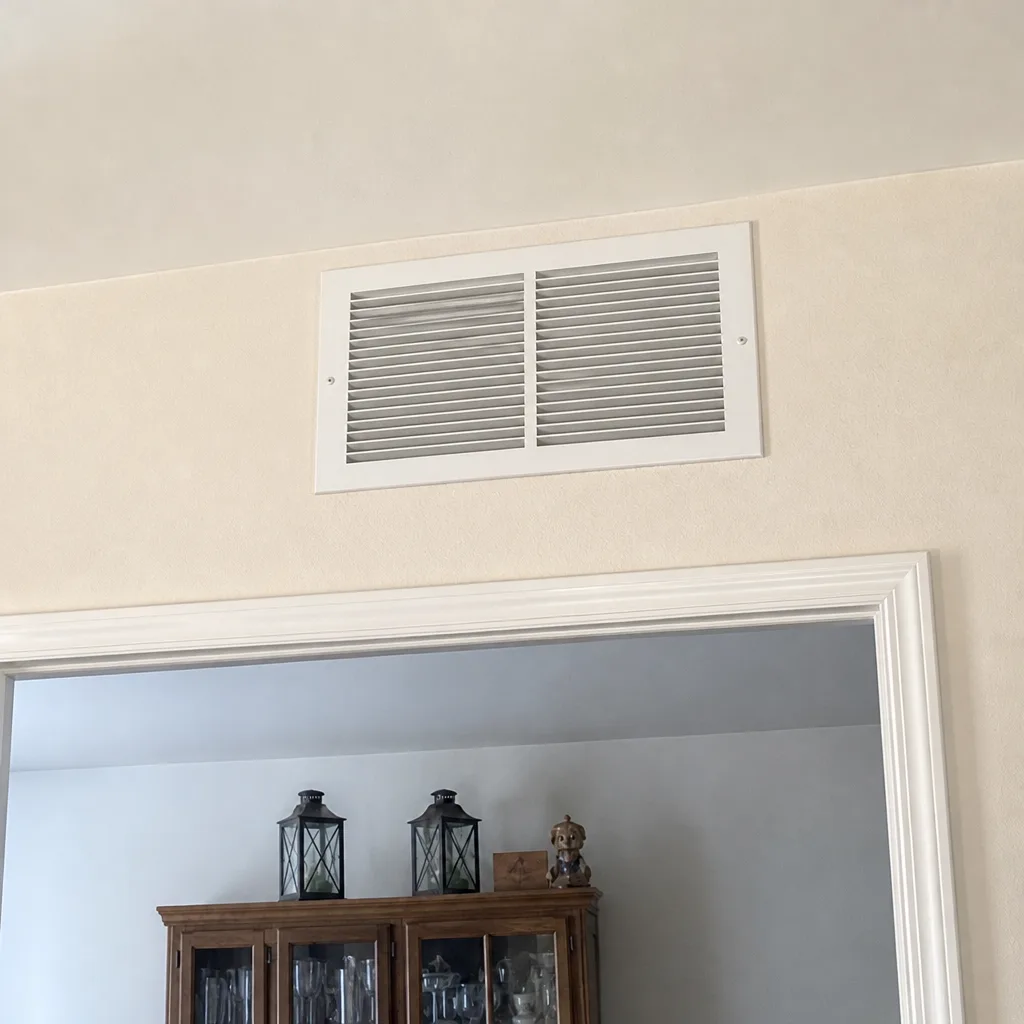
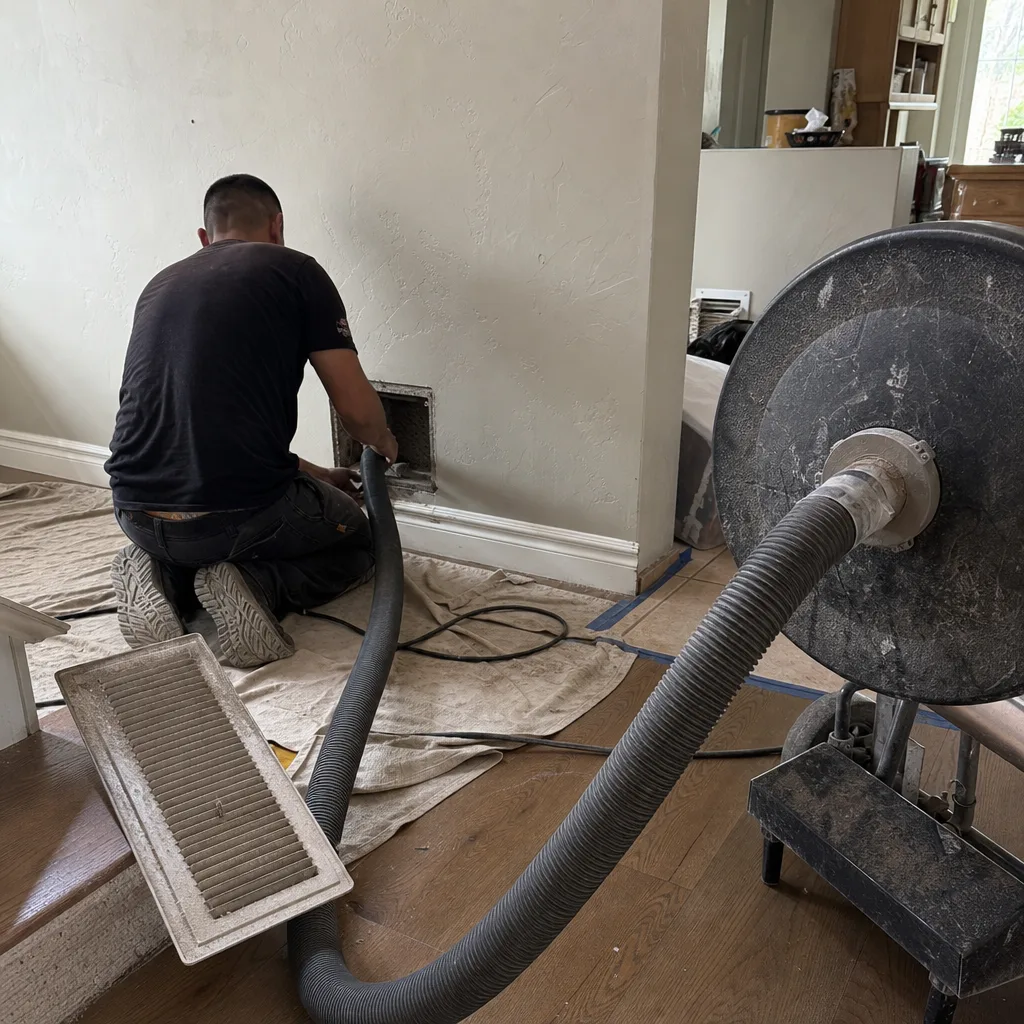
Whole-system duct and dryer vent check with before-and-after photos - you see exactly what came out of your vents
That "$99 whole-house special" is a bait ad - the real number appears once they are in your hallway, or the "clean" is a shop-vac at the register. We photograph the inside of your ducts before and after instead.
Air Duct Cleaning Warning Signs: A Carlsbad Homeowner’s Reference Guide
Visible dust on a register face is the last warning sign, not the first. By the time you see that gray film spreading across a vent cover, the duct liner has likely been shedding debris into your airstream for months, and your HVAC system has been compensating with longer run cycles that show up on your electric bill before they ever show up on your furniture. Most duct system warning signs aren’t dramatic. They’re chronic, low-grade symptoms that homeowners in Carlsbad normalize over time until the equipment is working significantly harder than it should be. This guide teaches you to recognize the early technical signals, the ones that appear long before a register turns visibly dirty, so you can address airflow restriction and contamination before they become expensive failures.
Quick Answer
The earliest warning signs of dirty or compromised air ducts in Carlsbad include a gradual 10 – 15% increase in cooling runtime that isn’t explained by weather, rooms that stay consistently warmer or cooler than the thermostat setting, a musty or burning odor that appears only when the blower runs, and visible debris accumulating around register openings. Any one of these signals warrants a professional inspection, because they indicate airflow restriction, duct leakage, or contamination that cleaning alone may not resolve. Air duct cleaning addresses the debris, but compromised duct sections may also require repair to stop re-contamination at the source.
Styles & brands we work with
- Whole-home duct cleaning
- Dryer vent cleaning
- Camera inspection
- Sanitizing & deodorizing
Table of Contents
- Energy Bill Creep as a Duct Warning Sign
- Uneven Room Temperatures and What They Indicate
- The Smell Test: Musty, Burning, and Chemical Odors
- How to Self-Assess Debris Depth with a Flashlight and Phone Camera
- Post-Renovation Warning Signs in Carlsbad’s Remodel Market
- Register Debris: The Last Warning Sign, Not the First
- Duct Leakage: When the Problem Isn’t Dirt at All
- Common Mistakes to Avoid
- When to Call a Professional
- Frequently Asked Questions
Energy Bill Creep as a Duct Warning Sign
When debris accumulates inside duct runs, it reduces the cross-sectional area of the airway. Your blower motor responds by running longer to move the same volume of conditioned air through a narrower channel. That longer runtime shows up on your electric bill as a gradual creep upward, typically 10 to 15 percent over a cooling season, without any corresponding change in weather or household occupancy. Homeowners in Carlsbad often attribute that increase to rate hikes or hotter summers, but a closer look at runtime data tells a different story.
Here’s what to check before you call the utility company:
- Compare cooling degree days to kilowatt-hours. If the weather was only slightly warmer but your usage jumped double digits, airflow restriction is a likely culprit.
- Track how long the condensing unit runs per cycle. Longer cycles with normal outdoor temperatures suggest the system is struggling to deliver air through restricted ducts.
- Look for a widening gap between summer and winter bills. Debris in ducts affects cooling more than heating because heat pumps and air conditioners rely on consistent airflow to maintain efficiency.
- Rule out obvious causes first. A dirty condenser coil or a failing capacitor can also cause longer runtimes, so have the mechanical side checked before assuming the ducts are the problem.
In our experience, energy bill creep is the most overlooked duct warning sign because it develops slowly. A homeowner in Carlsbad might see their July bill rise from $180 to $210 over two summers and chalk it up to normal variance. The duct system has been accumulating dust, pet dander, and debris the entire time, and the restriction compounds. The fix is rarely just cleaning the registers. The debris is inside the runs, coating the duct liner, and it needs mechanical removal, not a surface wipe.
Uneven Room Temperatures and What They Indicate
Rooms that consistently run warmer than the thermostat setting, particularly upstairs rooms or rooms at the end of the house, are among the earliest indicators of duct system problems in Carlsbad homes. The pattern of the unevenness matters more than the fact of it. A single hot room usually points to a branch duct that is partially blocked or disconnected. Whole-house temperature drift, where every room trends warmer as the day progresses, points to a system-wide restriction.
Here’s how to read the temperature pattern you’re seeing:
- One room consistently warmer than adjacent rooms: The branch duct feeding that room is likely kinked, collapsed, or filled with debris. In older Carlsbad homes with flex duct, a crushed or sagging run is common. Duct repair restores the airflow path.
- Upstairs consistently warmer than downstairs: Heat rises, but if the gap is more than a few degrees, the return air path may be undersized or partially blocked. Return ducts pull warm air out of upper rooms, and restricted returns make the upstairs feel stagnant even when the supply side is clean.
- Rooms near the air handler are comfortable, distant rooms are not: This is a classic sign of duct leakage. Conditioned air escapes through gaps and holes in the ductwork before it reaches the far end of the house, so the closest registers get full pressure and the distant ones get a trickle.
- All rooms drift warmer over the course of the day: The system is losing airflow volume system-wide. Debris accumulation, a clogged filter, or a failing blower motor can all cause this. Filter replacement solves one of those in minutes. The other two require assessment.
The diagnostic point here is that temperature imbalance is a clue, not a conclusion. You need to know whether the air is being lost, blocked, or simply not moving. That determination usually requires pressure testing and a visual inspection of the duct runs, because the problem is almost never visible from the living space.
The Smell Test: Musty, Burning, and Chemical Odors
Odors that appear only when the blower runs are direct evidence that something inside the duct system is contaminating the airstream. The character of the smell tells you a lot about what you’re dealing with.
Musty or earthy odor at registers: This usually indicates microbial growth inside the duct liner or on debris that has accumulated in a humid section of the system. In Carlsbad’s climate, interior humidity is typically low, but condensation can form inside ducts when cool air passes through warm attic spaces, particularly in summer. That moisture, combined with organic debris, creates conditions where mold and mildew can establish. The smell is often stronger when the system first starts after being off for a while, because the standing air in the ducts has had time to pick up the odor.
Burning or hot dust smell: The first few times your heat runs in the fall, a faint burning smell is usually just dust burning off the heat exchanger or heat strips, and it clears within a minute or two. A persistent burning odor that doesn’t clear, or that returns every cycle, is different. It can indicate debris accumulated against heating elements or a failing blower motor. Either warrants immediate professional attention, not a wait-and-see approach.
Chemical or solvent odor: This is almost never normal. It can come from household products drawn into the return air system, from deteriorating duct liner or adhesives, or from an external source near the outdoor air intake. If you smell it only when the system runs and it persists, shut the system down and have it assessed before continuing to operate it.
The location of the smell matters too. An odor at every register suggests contamination at or before the air handler, likely in the return trunk or the system itself. An odor at only one or two registers suggests contamination in a specific branch duct. Both are findable with inspection, and both resolve with cleaning, drying, and sealing where needed.
How to Self-Assess Debris Depth with a Flashlight and Phone Camera
Between professional visits, you can gather useful information about your duct system with two tools you already own: a flashlight and a phone camera. The goal is not to clean anything yourself. The goal is to establish a baseline and recognize when conditions have changed enough to warrant a professional look.
Here’s a step-by-step assessment you can do in about ten minutes:
- Turn off the system at the thermostat. You want the blower off so debris isn’t moving through the airstream while you look.
- Remove a supply register in a main living area. Most registers lift out without tools, or with a single screw.
- Shine the flashlight into the duct boot. Look at the duct liner surface. A healthy duct has clean or lightly dusty liner with no visible accumulation. Debris that has accumulated to a visible layer, especially if it looks fibrous or clumped, indicates buildup that has been there for some time.
- Insert your phone camera and take a photo with the flash on. The camera sees further into the run than your eye can, and the photo gives you a record to compare later. Take photos at two or three registers around the house.
- Check the return air path. Remove the return grille and photograph the inside of the return cavity. Return air carries unfiltered household air through the system, so debris on the return side often includes pet hair, carpet fibers, and household dust.
- Assess the liner condition. Look for liner that appears torn, peeling, or darkened in patches. Damaged liner sheds fibers into the airstream and holds moisture, both of which accelerate contamination.
If your photos show a light, even dusting on the liner, that’s normal for a system that hasn’t been cleaned in a few years. If they show debris that looks like it has depth, clumps of material, or visible liner damage, that’s a signal to schedule a professional assessment. The distinction matters because cleaning a lightly dusty system is optional. Removing accumulated debris from a restricted system is maintenance you need.
Post-Renovation Warning Signs in Carlsbad’s Remodel Market
Carlsbad has an active remodel market, and interior renovation work creates debris that finds its way into duct systems. Drywall dust is the most obvious culprit. It’s fine enough to pass through standard return air grilles and it coats duct liner quickly, especially in the return trunk and the first few feet of supply runs. Insulation fibers, sawdust, and general construction debris follow the same path.
The warning signs after a renovation are specific:
- White or gray dust reappearing on surfaces within days of cleaning: Drywall dust in the duct system keeps recirculating through the house long after the construction crew has left. The dust appears first on horizontal surfaces near registers.
- A change in airflow volume after the project: Construction debris in the ducts can restrict airflow immediately, and you’ll notice rooms that used to heat or cool evenly now lag behind.
- A marked increase in filter loading in the weeks following the work: Your filter is catching what’s passing through the system, and a filter that loads up with construction dust in two weeks tells you the ducts are holding more of it.
- Debris visible in the return air cavity: This is the easy one to check. Return air draws from the construction zone, and the cavity behind the grille often shows a coating of gypsum dust or insulation fibers.
The relevant point for Carlsbad homeowners is that post-renovation duct cleaning should be treated as part of the project scope, not a follow-up you do when you get around to it. Drywall dust is abrasive, and running it through your blower motor and across your heat exchanger for months shortens equipment life. The same applies to property managers handling tenant improvements in multi-unit buildings. The time to address construction debris in ductwork is before it has months to circulate, not after residents start complaining about dust.
Register Debris: The Last Warning Sign, Not the First
By the time you see a visible gray or brown film spreading across a register face, the duct system has been shedding debris into your airstream for a long time. The register is the exit point, and debris that sticks there has already traveled through the duct run and past the boot. It represents a small fraction of what remains inside.
What you’re actually seeing when a register face darkens is duct liner erosion, not just household dust. Flexible duct liner degrades slowly as conditioned air moves across it. The fibers that break loose are lightweight and statically charged, which makes them stick to register faces and nearby wall surfaces first. The darker, heavier particles accumulate inside the duct, where they continue to build until airflow is measurably restricted.
A register that shows visible external soiling is not the moment to start thinking about cleaning. It’s the confirmation that the internal condition is already advanced. Treat it as a signal to schedule assessment, not as the first data point. If you wait until every register in the house looks dirty, you’ve likely been circulating degraded liner material and accumulated debris for a full cooling season or more. The system has been working against that restriction the whole time, and the electric bill has been quietly absorbing the cost.
Duct Leakage: When the Problem Isn’t Dirt at All
Not every duct problem is a cleanliness problem. Some are structural. Duct leakage occurs when gaps, holes, or disconnected sections in the ductwork allow conditioned air to escape into unconditioned spaces, typically the attic or the wall cavity. The air you paid to cool or heat never reaches the rooms it was intended for.
Leakage shows up as several warning signs that overlap with the signs of dirty ducts. Rooms that never reach the thermostat setting, even with new filters and a functioning system, are often receiving less air than they should because some of it is leaking out upstream. Energy bills that stay elevated after a cleaning point to leakage, because the air you’re conditioning is still escaping. Dust that appears in rooms even after ducts have been mechanically cleaned points to leaks drawing attic air, which carries insulation fibers and other particulates, into the supply side of the system.
The distinction matters because the fix is different. Dirty ducts move toward cleaning. Leaky ducts move toward repair. In many Carlsbad homes, the correct answer is both: clean the system to remove what’s accumulated, then seal the compromised sections so the cleaned system doesn’t re-contaminate through gaps that pull attic air into the conditioned space. A company that only cleans and can’t repair leaves the leakage problem untouched, and the dust returns within months. A full-scope approach, handling both cleaning and Duct Cleaning Carlsbad-style repair, addresses the system as a whole rather than treating the symptom at one end of it.
Common Mistakes to Avoid
- Waiting for visible register soiling before acting. By the time you see debris on the register face, the internal accumulation is already advanced. The earlier signals are energy bill creep and uneven temperatures, not external dirt.
- Assuming a clean filter means clean ducts. The filter protects the equipment, not the ductwork. Debris accumulates downstream of the filter and inside return runs regardless of how often you change the filter.
- Treating a persistent burning odor as normal seasonal dust. A faint burn-off smell on first startup in fall is normal. A persistent burning smell every cycle is not, and continuing to run the system while ignoring it risks equipment damage.
- Running the system for months after a remodel without addressing the ducts. Drywall dust and construction debris circulate through the equipment and duct liner the entire time. The longer it runs, the more abrasive wear on the blower and the more embedded the contamination becomes.
- Cleaning only the ducts and ignoring leakage. If the system is pulling attic air through gaps, the ducts will re-contaminate after cleaning. Leakage has to be found and sealed for the cleaning to last.
- Using a consumer-grade cleaning approach for a whole-system problem. Household vacuums and vent wipes address the register, not the duct run. Debris stays inside where it restricts airflow, and the visible result doesn’t reflect the actual condition.
- Ignoring a slow energy bill increase because it’s ‘normal for summer.’ A 10 to 15 percent increase in cooling cost that isn’t explained by weather is a data point. Write it down, compare it to the degree days, and treat it as a reason to inspect rather than a reason to shrug.
When to Call a Professional
You should call for a professional duct assessment when any of these conditions is present: a persistent musty or burning odor that appears only when the blower runs, a room that stays significantly warmer than adjacent rooms through an entire cooling season, an energy bill increase of 10 percent or more that isn’t explained by weather, visible debris inside the duct boot on your flashlight and camera inspection, or any interior renovation that produced drywall dust while the system was running. If you’ve cleaned your ducts in the past and the dust returned within months, you’re likely dealing with leakage or compromised liner, and that calls for a repair assessment, not another cleaning alone.
Duct Cleaning Carlsbad offers free estimates in Carlsbad, and if we find a problem, you’ll know exactly what it is, what it’ll take to fix it, and what the written estimate covers before any work begins. Call (855) 353-1322. We answer 24/7, with fast dispatch from 7am to 7pm, Sunday through Friday.
Frequently Asked Questions
You know it’s time for cleaning when you see visible debris inside the duct boot on a flashlight inspection, when rooms stay unevenly warm despite a new filter and a functioning system, or when a musty odor appears only while the blower runs. The first two signals indicate debris accumulation that is restricting airflow, and the third indicates contamination. Any of these is reason to call for an assessment. For an exact look at your system, call (855) 353-1322 and we’ll schedule a free estimate.
Air duct cleaning in Carlsbad is priced per job by written estimate, not by a teaser per-vent figure that balloons once the technician is in your home. The price depends on system size, number of runs, the level of contamination, and whether repair work is needed alongside the cleaning, so an honest quote comes after we see the system. You’ll know the full price before work starts. Call (855) 353-1322 for a free estimate, and we’ll give you a written number based on what’s actually in your ducts.
Cheap duct cleaning quotes usually come from operators who clean registers, not duct systems. The equipment matters here: a crew using professional-grade machinery like Rotobrush rotary brush systems and Nikro HEPA vacuums is doing a fundamentally different job from someone who shows up with a shop vac and a handheld brush. The low quote often converts to a higher invoice once the work starts, or it reflects work that never touches the inside of the runs at all. You should know what equipment is being used and what the scope actually covers before you compare prices.
You should be able to see the difference inside the duct boot before and after the work. Ask for before-and-after photos of your own system, taken at the register openings and the air handler. A professional crew using HEPA-filtered extraction leaves the interior surfaces visibly different, and the photos should show that. If a company can’t show you the inside of your own ducts after they’ve cleaned them, that’s a reason to question whether the work happened at all. We photograph the system before and after as standard practice.
Most homes in Carlsbad benefit from a professional duct cleaning every 3 to 7 years, depending on household conditions. Homes with pets, homes that have undergone interior renovation, and homes with allergy or asthma sufferers trend toward the shorter end of that range. A house with no pets, no recent construction, and a clean system can go longer. The most reliable way to know where you stand is a visual inspection of the duct condition, which takes minutes and tells you more than any calendar-based schedule.
It’s related but distinct. Dryer vent cleaning removes the flammable lint accumulation from the exhaust path of your clothes dryer, and it matters because blocked dryer vents are a leading cause of residential house fires. Duct cleaning addresses the HVAC air path instead. A specialist that handles both treats them as separate systems with separate risks, not as an upsell to bundle together. Dryer vents are a fire risk, not a convenience item, and they need dedicated attention on their own schedule.
The Bottom Line
The duct system in your Carlsbad home communicates its condition through signals that show up long before a register turns visibly dirty. Energy bill creep without a weather explanation, rooms that won’t hold temperature, odors that appear only when the blower runs, and debris visible inside the boot on a quick inspection are all early warning signs that something is restricting airflow, leaking, or contaminating the airstream. Some of those problems resolve with mechanical cleaning using professional-grade equipment. Others require repair to stop re-contamination at the source. The point is to recognize the signals early, investigate them, and address the system as a whole rather than waiting for the problem to become obvious. By the time it’s obvious, it has already been costing you for months.
Written by the team at Duct Cleaning Carlsbad, serving Carlsbad since 2014.
See the difference
 Before
 After
 Before
 After
 Before
 After