
Last updated November 4, 2026
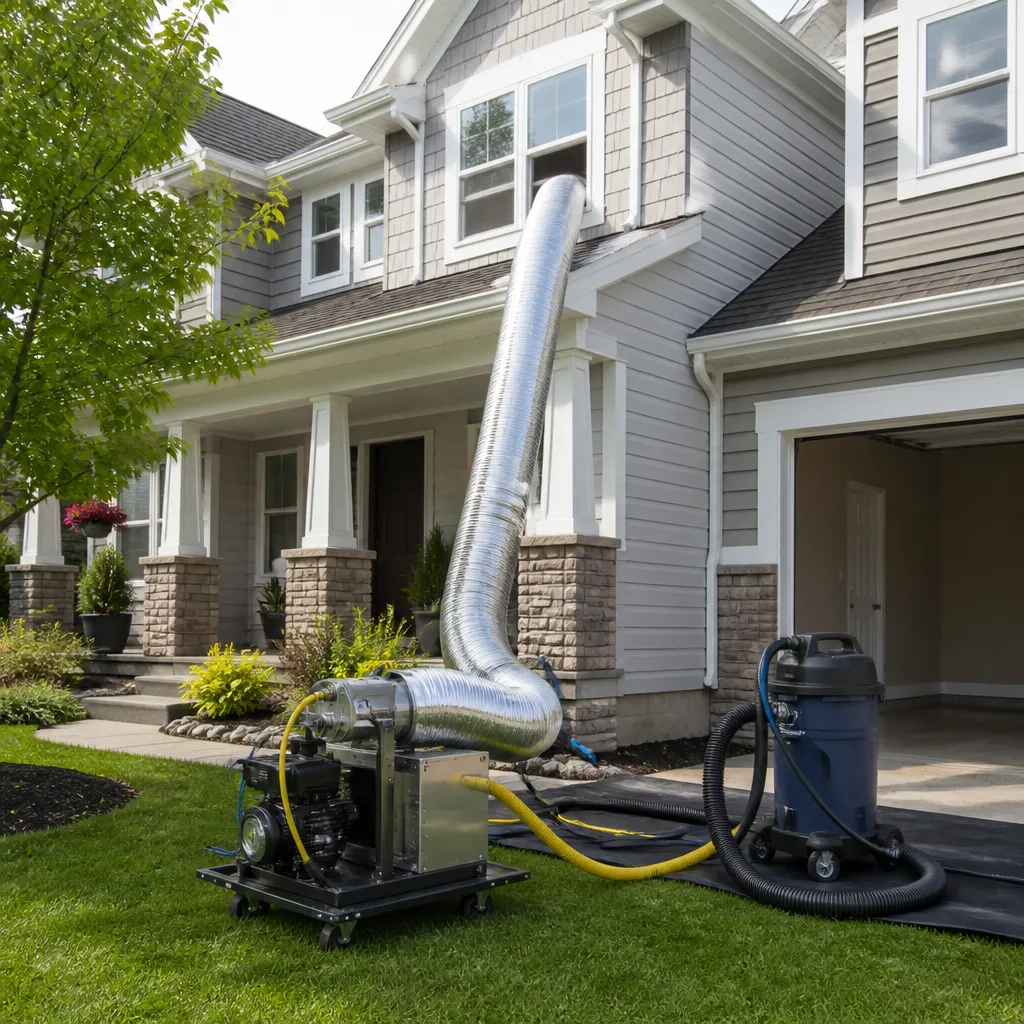 Whole-home duct cleaning
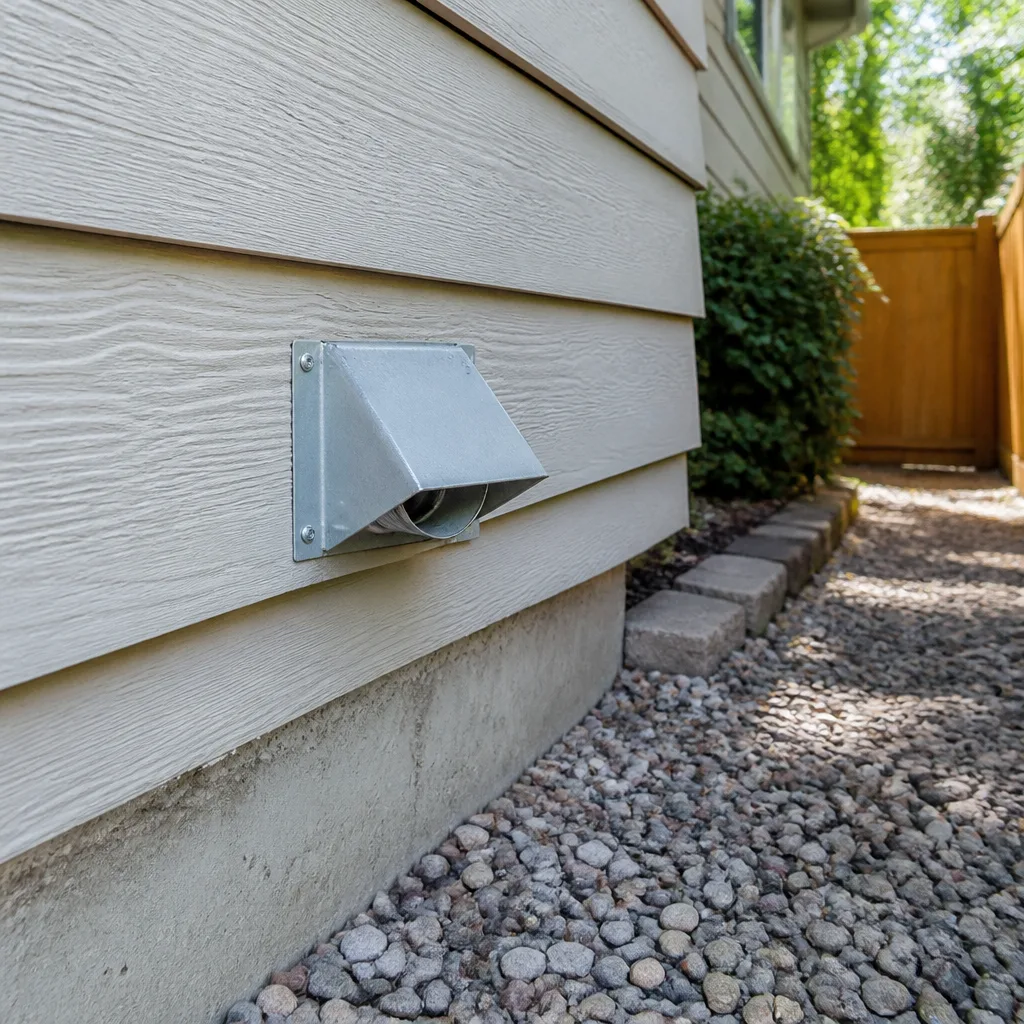 Dryer vent cleaning
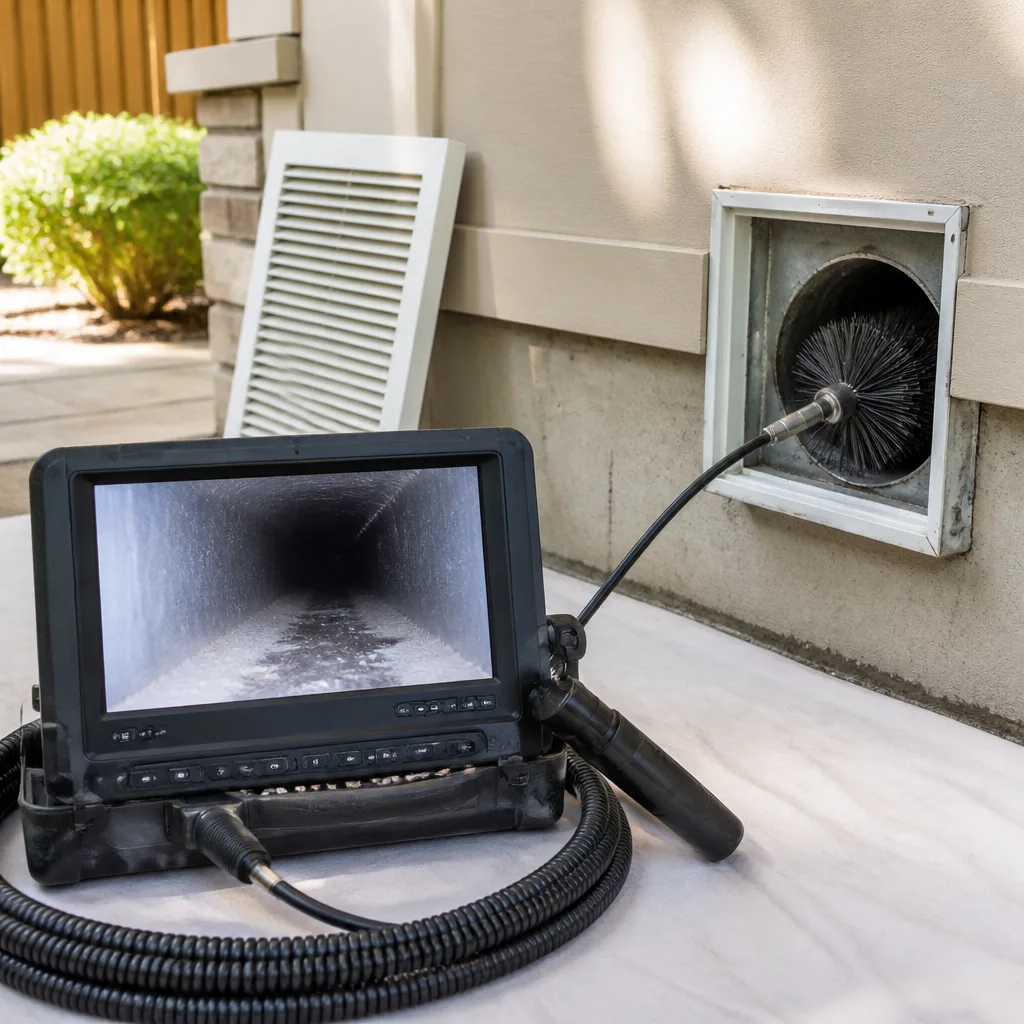 Camera inspection
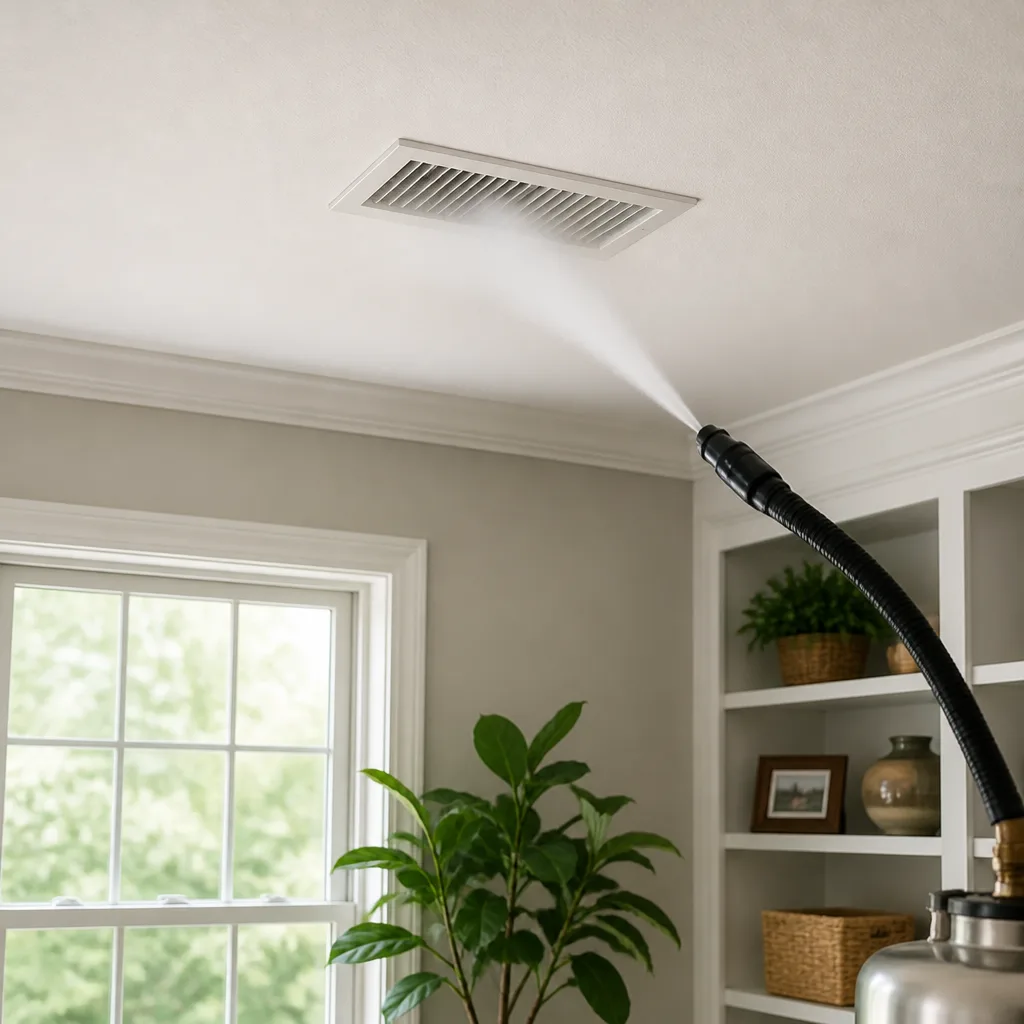 Sanitizing & deodorizing
Whole-system duct and dryer vent check with before-and-after photos - you see exactly what came out of your vents
That "$99 whole-house special" is a bait ad - the real number appears once they are in your hallway, or the "clean" is a shop-vac at the register. We photograph the inside of your ducts before and after instead.
Air Duct Cleaning Troubleshooting in Carlsbad: Common Problems and How to Fix Them
If one room in your Carlsbad home is always five to eight degrees warmer than the rest of the house, an HVAC technician will often point at the unit itself. But a large share of the time, the real problem is hiding in the attic: a disconnected duct joint, a crushed flex-duct section, or a return path that was never balanced correctly. This guide walks you through how to read those symptoms, separate a cleaning problem from a repair problem, and know exactly what to ask for before you spend money on the wrong fix. We’ll cover what you can check yourself at the register, when professional equipment is genuinely required, and how Carlsbad’s specific climate creates one particular duct problem that inland homes rarely deal with.
Quick Answer
Most air duct problems in Carlsbad fall into three categories: airflow failures (disconnected, crushed, or undersized ducts), contamination (dust accumulation, mold from coastal humidity, pest debris), and leakage (conditioned air dumping into the attic instead of your rooms). Start by mapping the symptom: uneven room temperatures point to a structural duct issue, musty odors point to biological growth, and rising utility bills point to leaks. A professional inspection with Rotobrush or Nikro equipment can confirm what a visual check at the register only hints at.
Styles & brands we work with
- Whole-home duct cleaning
- Dryer vent cleaning
- Camera inspection
- Sanitizing & deodorizing
Table of Contents
- Mapping Symptoms to Duct Failure Types
- Cleaning Problem or Repair Problem: How to Tell
- Why Carlsbad’s Coastal Humidity Changes the Mold Equation
- Step-by-Step Visual Inspection You Can Do at the Register
- When a DIY Fix Works vs. When It Masks a Bigger Problem
- Duct Leakage and Rising Utility Bills: The Attic Connection
- Odor Troubleshooting: Dead Pest, Mold, or Something Else
- Why the Cleaning Equipment Actually Matters
Mapping Symptoms to Duct Failure Types
Duct systems fail in predictable ways, and each failure mode leaves a specific signature. Learning to read those signatures is the difference between paying for a fix that works and paying for a guess. Here’s how the three most common symptoms in Carlsbad homes map to what’s actually happening inside the ductwork.
Uneven room temperatures. When one bedroom is consistently warmer than the rest of the house, the problem is rarely the thermostat and almost never the HVAC unit’s cooling capacity. The more likely cause is a structural failure in the duct run serving that room. A flex-duct section can sag, kink, or separate at a joint, especially in Carlsbad attics where summer temperatures climb high enough to soften the duct’s outer jacket and stress the connection points. The result is that conditioned air never reaches the register at full volume. In our experience, this is the most commonly misdiagnosed duct problem we see.
Musty or stale odors from the vents. Odor is a biological signature. It means something organic is present in the duct system: mold or mildew growing on accumulated dust, a dead rodent or lizard, or standing moisture in a low section of flex duct. The specific smell matters. A sharp, ammonia-like odor points to pest activity. A damp, earthy odor points to mold. Both require different responses, and cleaning alone will not solve either one if the underlying source is not removed.
Rising utility bills without a change in usage. When your Carlsbad electric bill climbs during cooling season and you haven’t changed your thermostat habits, the most likely mechanical cause is duct leakage. The Department of Energy’s own research has long noted that typical duct systems lose a meaningful percentage of conditioned air to leaks, and older Carlsbad homes with original ductwork often sit at the higher end of that range. That air is not disappearing; it’s being paid for and then dumped into the attic.
The takeaway: airflow problems are structural, odor problems are biological, and bill problems are leakage. Each one has a different fix, and treating all three with a basic cleaning is how homeowners end up disappointed with the result.
Cleaning Problem or Repair Problem: How to Tell
One of the most useful distinctions a homeowner can make is between a duct system that needs cleaning and a duct system that needs repair. They are different jobs, different skill sets, and different equipment. A Rotobrush pass through a duct that has a six-inch separation at a joint will remove dust from the connected sections and leave the disconnected section untouched. The air will still be unbalanced, and the problem will return.
Here’s a simple decision framework:
- Visible dust accumulation at the register, but airflow feels normal. This is a cleaning problem. Dust has settled in the duct walls over years of use, and a professional-grade mechanical cleaning with HEPA vacuuming will remove it. No structural work required.
- Airflow feels weak from one specific register, even after the filter is replaced. This is a repair problem. A disconnected or crushed section of flex duct is restricting delivery. Cleaning will not restore airflow; the duct section needs to be reconnected or replaced.
- Airflow is strong everywhere, but the house is dusty despite regular filter changes. This is a leakage problem. Return-side ducts are pulling unfiltered attic air into the system, and the dust is being distributed through the supply registers. The leaks need to be sealed, then the system cleaned.
- Musty odor from one vent only. This is a localized contamination problem. It could be mold in a specific duct section or a dead pest in a register boot. Either way, the source must be physically removed, not just masked. Cleaning addresses the contamination; repair addresses the entry point that let the pest in or the moisture that fed the mold.
The reason this distinction matters financially is straightforward: a cleaning-only company will clean your ducts and leave the structural problem in place. A full-scope company that offers air duct cleaning alongside air duct repair can address both in a single visit. That’s not a convenience feature; it’s the difference between fixing the symptom and fixing the system.
Why Carlsbad’s Coastal Humidity Changes the Mold Equation
Carlsbad sits close enough to the Pacific that its relative humidity runs higher than inland markets like Escondido or San Marcos, especially during May Gray and June Gloom when marine layer air sits over the coastal strip for days at a time. That moisture gradient matters for duct systems because it creates a specific mold profile that inland homes rarely see.
Here’s what happens: during cooling season, the inside of your supply ducts is cold because conditioned air passes through them. The outside of the ducts, particularly in an unconditioned attic, is warm and humid because Carlsbad’s coastal air carries more moisture than desert air. When that warm, humid air contacts the cold duct surface, condensation forms on the outside of the duct jacket. Over time, that moisture soaks into the insulation layer and creates a microclimate where mold can grow.
The problem is often invisible from inside the living space. The mold grows on the outside of the duct and in the insulation layer, and it only becomes noticeable when the odor migrates through small leaks in the duct wall or when the contamination spreads to the air handler cabinet. By the time a homeowner smells it, the growth is usually well established.
This is also why simple duct cleaning is sometimes not enough. If the insulation jacket is already saturated with mold, cleaning the interior surfaces will not address the exterior contamination. The affected duct section needs to be replaced, and the humidity issue that caused the condensation needs to be evaluated. In homes with recurring mold problems, we often recommend air filtration equipment from Abatement Technologies to capture airborne spores during remediation-adjacent cleaning work. The goal is not just to remove what’s there but to prevent re-inoculation of the cleaned system.
Step-by-Step Visual Inspection You Can Do at the Register
Before scheduling a professional visit, there are several things a Carlsbad homeowner can check themselves. These are low-risk observations that require no tools beyond a flashlight and a phone camera. None of this replaces a professional inspection, but it gives you better information to describe the problem accurately when you call.
- Remove the register cover and photograph the duct opening. Use your phone’s flash. If the visible surfaces are coated with a gray, fuzzy layer that smears when touched, that’s accumulated dust and debris. If the coating is black, green, or speckled, that’s potential biological growth and should be treated as a contamination concern, not just a cleaning task.
- Check the register boot for gaps. The metal boot is the connector between the duct run and the register. It should be sealed to the drywall or flooring around the opening. A visible gap means the system is pulling unfiltered air from the wall cavity or attic and pushing it into the room. That’s a leakage problem, not a cleaning problem.
- Feel for airflow consistency. Walk through the house and hold your hand at each register while the system is running. Note which registers feel strong and which feel weak. A weak register in one room, especially at the end of a long duct run, often points to a disconnected or collapsed section upstream.
- Look at the filter. A filter that is gray and clogged after thirty days of use is doing its job, but it also means the ducts upstream are likely carrying a similar coating of dust. A filter that is clean after three months of use in a Carlsbad home with pets or carpet raises a different question: the filter may be bypassing air around its edges because it’s not seated correctly.
- Check accessible duct sections in the garage or attic. If you have exposed ductwork in your garage or attic, look for obvious signs: crushed sections where something heavy was placed on top of the flex duct, kinked sections where the duct was bent too sharply at installation, and separated joints where silver tape has peeled away and left a visible gap.
Document what you find with photos. A good technician will want to see what you’re seeing, and having those images ready when you call Duct Cleaning Carlsbad for an estimate helps the team know whether to bring repair materials alongside the cleaning equipment.
When a DIY Fix Works vs. When It Masks a Bigger Problem
There is a legitimate place for do-it-yourself work in duct maintenance, and there is a line where DIY effort stops being helpful and starts being a way to delay a necessary professional repair. Knowing where that line sits saves money in both directions.
What’s worth doing yourself:
- Replacing a dirty filter. This is basic maintenance, not a repair. A clean filter protects the air handler and improves airflow across the coil. If you have a Honeywell or Aprilaire media cabinet, follow the filter size printed on the cabinet door. A correctly sized filter matters more than an expensive filter.
- Tightening a loose register screw. A register that rattles or falls out of the wall is a fastener issue, not a duct issue. Ten minutes with a screwdriver solves it.
- Resealing a small gap at an exposed duct joint with foil tape. If you can see a separated joint in the garage or attic and the gap is accessible, foil tape (not duct tape, which dries out and fails) can provide a temporary seal until a professional can evaluate whether the connection needs to be remade.
- Vacuuming visible debris from the register boot. A handheld vacuum can remove loose material at the opening. This is surface-level cleanup, not duct cleaning, but it reduces the visible symptom.
What DIY work masks:
- Closing a register in a hot room to force air elsewhere. This changes the system’s static pressure and can make the underlying imbalance worse. It treats the symptom by making one room quieter and cooler while the real problem, often a collapsed duct section, remains untouched.
- Adding a booster fan to a weak register. A booster fan pulls more air through a duct run, which can hide a disconnection by forcing air past the gap. But the gap is still there, still leaking conditioned air into the attic, and still costing you money.
- Using a store-bought sanitizer spray at the register. Sprays kill surface organisms at the opening but do not reach the duct run itself. Worse, some add moisture and residue that attract more dust. If a musty odor is present, the source is inside the duct system, not at the grille.
- Replacing a filter with a high-MERV option to “fix” poor airflow. A very restrictive filter on a system not designed for it can reduce airflow further and strain the blower. It does not repair a disconnected duct and can make the temperature imbalance more pronounced.
The pattern here is consistent: DIY work is appropriate for maintenance and surface-level fixes. Anything that involves the duct run itself, the air handler, or the system’s airflow balance is where professional equipment and diagnostic experience earn their cost.
Duct Leakage and Rising Utility Bills: The Attic Connection
Most Carlsbad homes route their supply and return ducts through the attic, and the attic is the worst place in the house to lose conditioned air. In summer, attic temperatures can exceed 120 degrees. A duct leak in that environment means the air you paid to cool is being pumped into a space that is already hotter than the air outside your home. There is no scenario where that money is recovered.
Leakage happens at specific points. The most common are:
- Joint separations. Flex duct sections are connected with metal collars and held with zip ties or clamps. Over years of thermal expansion and contraction in the attic, those connections loosen. A quarter-inch gap at a collar can leak a surprising volume of air over a cooling season.
- Plenum penetrations. Where the supply plenum connects to the air handler or where individual ducts leave the plenum, the sheet metal joints can open over time. These are high-pressure areas that leak more per square inch than any other point in the system.
- Crushed flex sections. A flex duct that gets stepped on during storage or has a box placed on top of it in the attic can collapse inward, reducing the opening to a fraction of its intended size. The system still pushes air, but the restriction raises static pressure and forces air out of the weakest joints upstream.
- Return-side gaps. Return ducts pull air from the living space back to the air handler. When they leak, they pull hot, dusty attic air into the system instead. That air bypasses the filter if the leak is upstream of the filter rack, and it gets distributed throughout the house. Return leaks are why a home can be persistently dusty even with a clean system.
The fix for leakage is not cleaning. It is sealing: reconnecting separated joints, replacing crushed duct sections, and sealing plenum penetrations with the right materials. Only after the system is sealed does cleaning make sense, because cleaning a leaky system is like mopping the floor while the roof is still leaking. This is why we emphasize air duct cleaning as part of a repair-first sequence when leakage is present. Clean ducts attached to a sealed system stay cleaner longer, and the cleaning job holds.
Odor Troubleshooting: Dead Pest, Mold, or Something Else
Odors from a duct system are diagnostic information. They tell you what kind of contamination you’re dealing with, and each type requires a different response. Here’s how to interpret what you smell in a Carlsbad home.
Dead pest odor. A sharp, concentrated smell of decay that comes from one register and intensifies when the system runs usually means a rodent or lizard died in the duct run or register boot. The fix is physical: the carcass must be located and removed. Cleaning alone will not eliminate the odor if the source remains. In homes with accessible duct runs, this is typically a straightforward removal. In homes where the duct is buried in insulation or difficult to access, a camera inspection may be required to locate the source.
Mold or mildew odor. A damp, earthy smell that is present at multiple registers and gets worse during humid periods points to biological growth somewhere in the system. Given Carlsbad’s coastal humidity profile, this often means mold in the duct insulation layer or in the air handler cabinet. A cleaning pass removes surface contaminants, but the moisture source that fed the growth must also be addressed. If the insulation jacket is contaminated, the duct section needs replacement.
Dusty or stale odor. A dry, stale smell when the system first kicks on is often just accumulated dust heating up on the heat exchanger or passing across the coil. This is the classic cleaning problem: years of household dust, pet dander, and textile fibers have built up in the duct walls and are being lifted into the airstream. A professional cleaning with a Rotobrush system and Nikro HEPA vacuuming addresses this directly.
Chemical or burning odor. A chemical smell that appears only when the heat runs, or a burning smell from the vents, is not a duct problem at all. It points to the furnace or heat pump itself and should be evaluated by an HVAC contractor. Duct cleaning will not resolve it.
The important distinction is between odor that is distributed throughout the house and odor that is localized to one register. Distributed odor points to a system-wide condition. Localized odor points to a specific contamination event in one duct run. A professional can use that information to target the inspection and avoid opening more of the system than necessary.
Why the Cleaning Equipment Actually Matters
Not all duct cleaning is the same job performed with different-brand tools. The equipment determines what can be physically removed from the duct system, and the gap between professional-grade machinery and consumer-level alternatives is significant.
A Rotobrush system works by feeding a rotating brush head through the duct run while a vacuum is connected to the system at the same time. The brush mechanically agitates the dust, debris, and biofilm that has adhered to the duct walls, and the vacuum captures it at the source. This is a physical removal process, not a blow-and-pray approach.
The Nikro equipment matters for a different reason. Nikro builds commercial HEPA vacuums designed to hold negative pressure on the duct system during cleaning. That means the air pressure inside the ducts is lower than the air pressure in the surrounding space, so loosened particles flow toward the vacuum rather than escaping into the living space. This is the same negative-pressure principle used in hospital and cleanroom environments. Without it, a cleaning pass can simply redistribute dust throughout the house.
The practical difference for a Carlsbad homeowner is this: a system cleaned with professional-grade equipment can plausibly claim that the dust was removed from the building. A system cleaned with a shop vac attachment has had dust moved around, not removed. Your ducts are only as clean as the equipment clearing them. That’s not a marketing slogan; it’s a statement about how mechanical cleaning works. When we talk about dryer vent cleaning, the same principle applies: a brush that reaches the full length of the vent and a vacuum that captures the lint at the exit point is the difference between real fire-risk reduction and a surface-level pass.
Common Mistakes to Avoid
- Treating every duct problem as a cleaning problem. Cleaning a system with a structural issue, like a disconnected joint or crushed flex section, leaves the actual problem in place. Map the symptom first, then choose the service. A cleaning pass through a leaky system will not improve airflow or lower bills.
- Ignoring the filter’s role in the symptom. A clogged filter restricts airflow and can mimic the symptoms of a duct restriction. Check the filter before scheduling anything else. But a clean filter does not rule out a duct problem, especially if the airflow issue is isolated to one room.
- Sealing registers in unused rooms to redirect air. Closing registers increases static pressure in the duct system and can force more air out of existing leaks. It treats one room’s comfort problem by making the whole system less efficient. The register position is rarely the actual issue.
- Assuming a musty smell means the whole system needs cleaning. Odor localization matters. A dead pest in one register boot does not require a full-system cleaning, and a full-system cleaning will not remove a dead pest that remains in the duct run. Diagnose the odor source before choosing the scope of work.
- Skipping the repair before the cleaning. If ducts are leaking, seal them first. Cleaning a leaky system means the cleaned ducts will re-contaminate through the same gaps that let unfiltered air in. The sequence matters for result longevity.
- Choosing a duct cleaner based on price alone. The lowest bid often reflects the equipment, not the labor. A consumer-grade vacuum cannot extract what a commercial HEPA system can remove. Ask what equipment the company uses and whether they offer repair as part of the scope.
See the difference
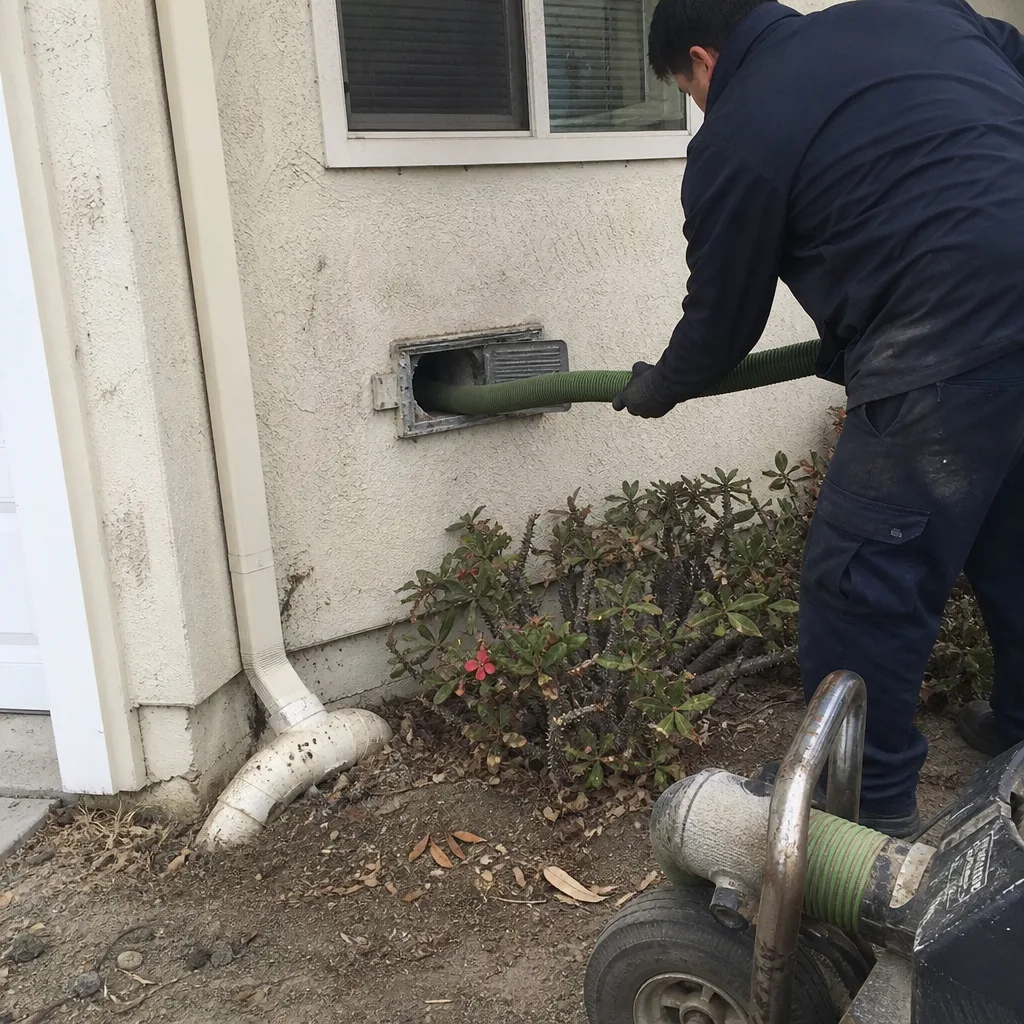 Before
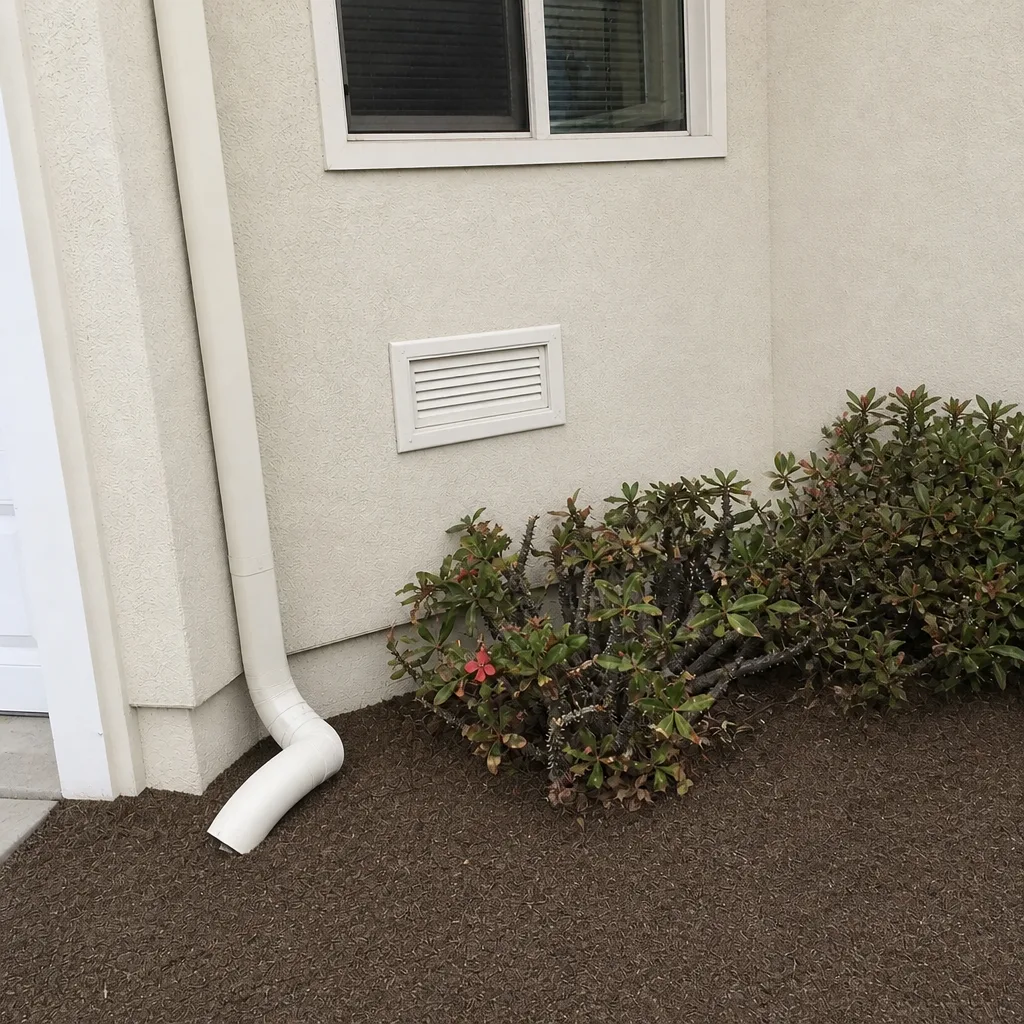 After
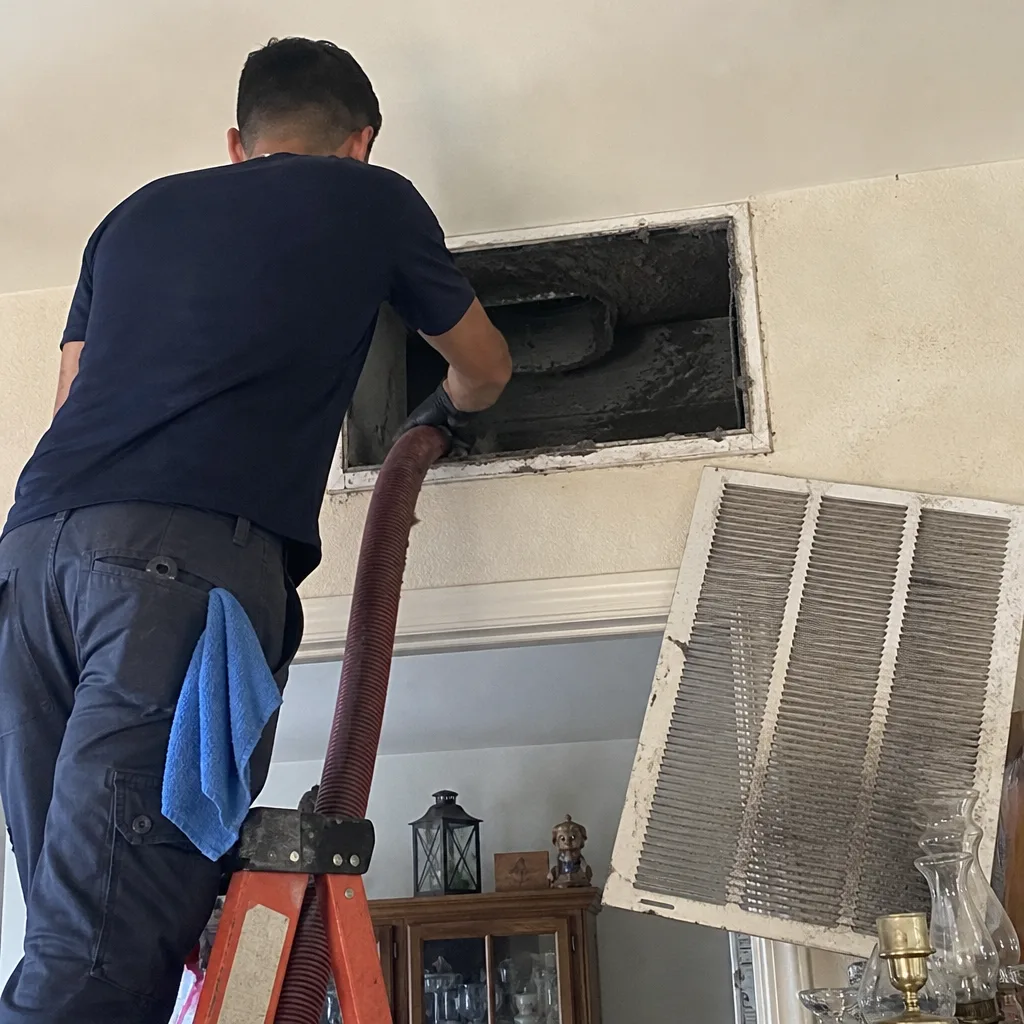 Before
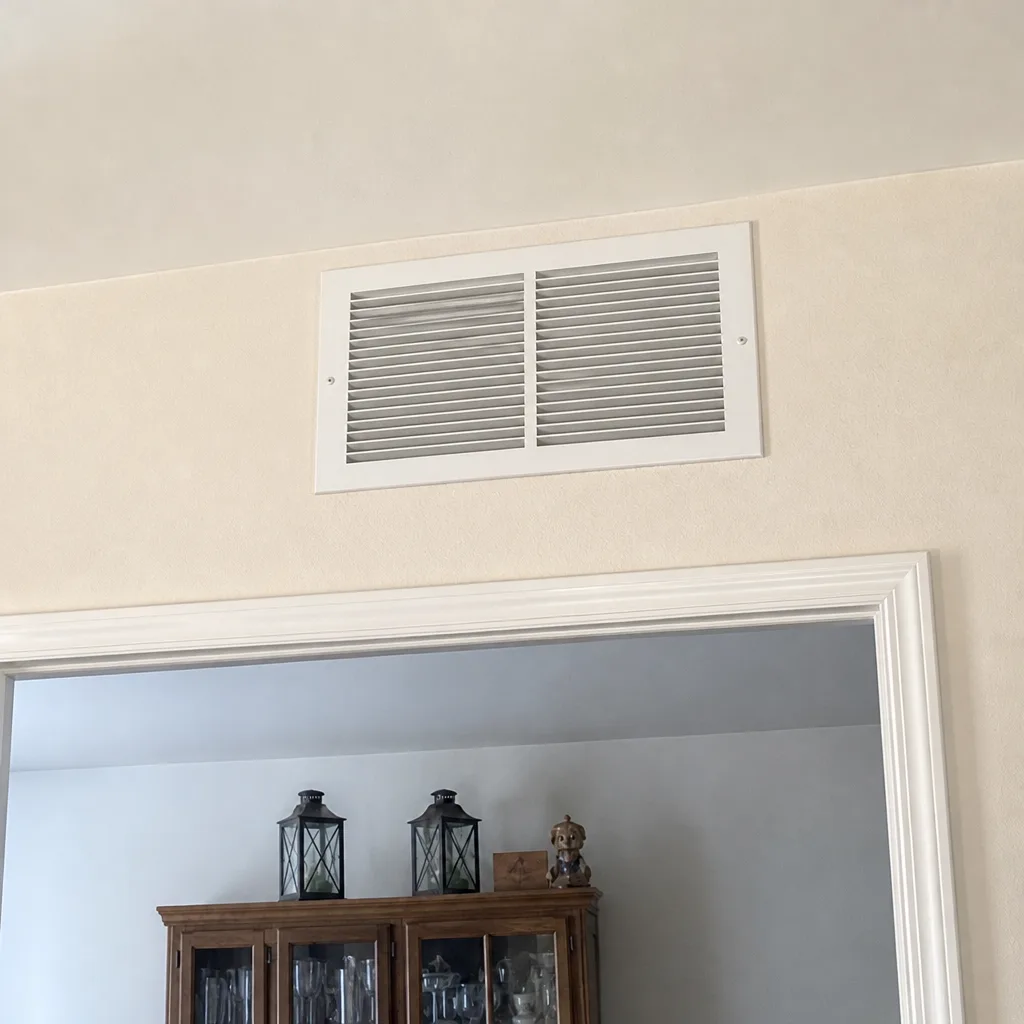 After
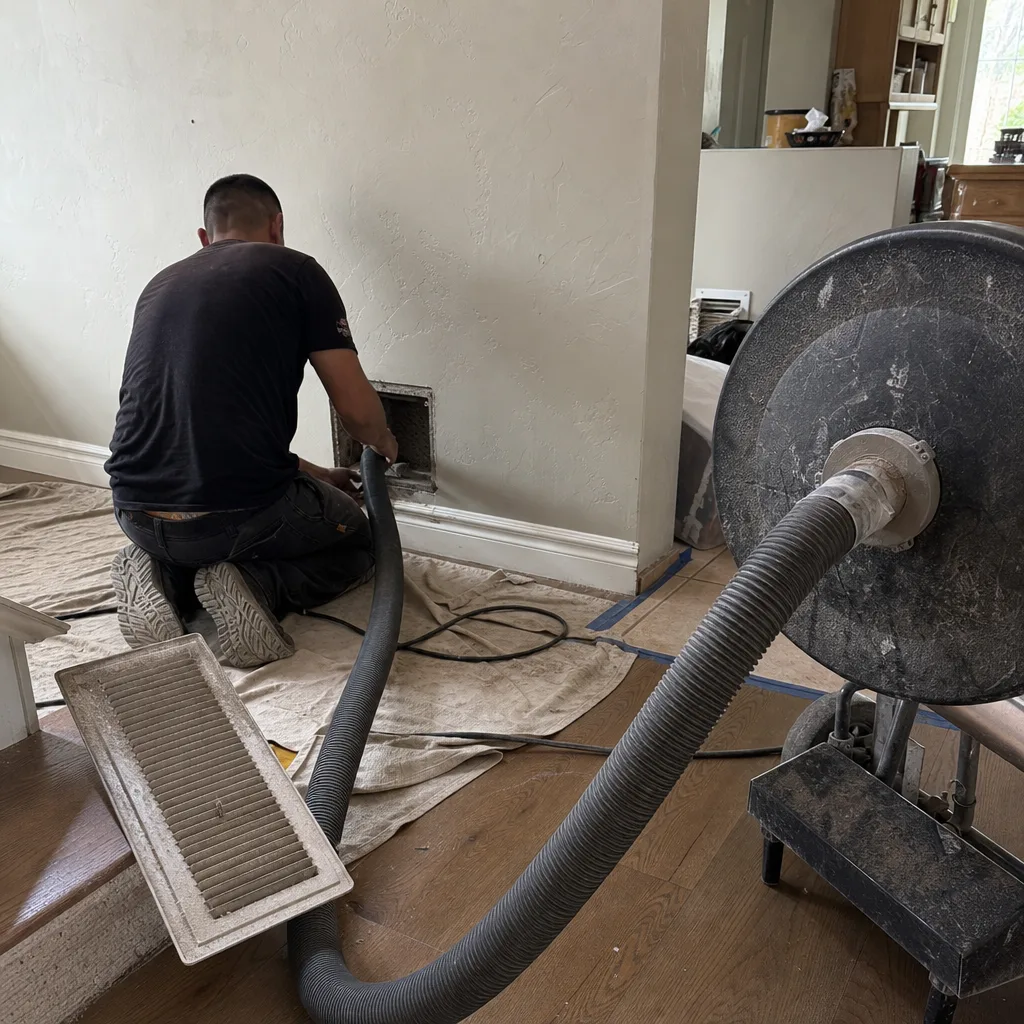 Before
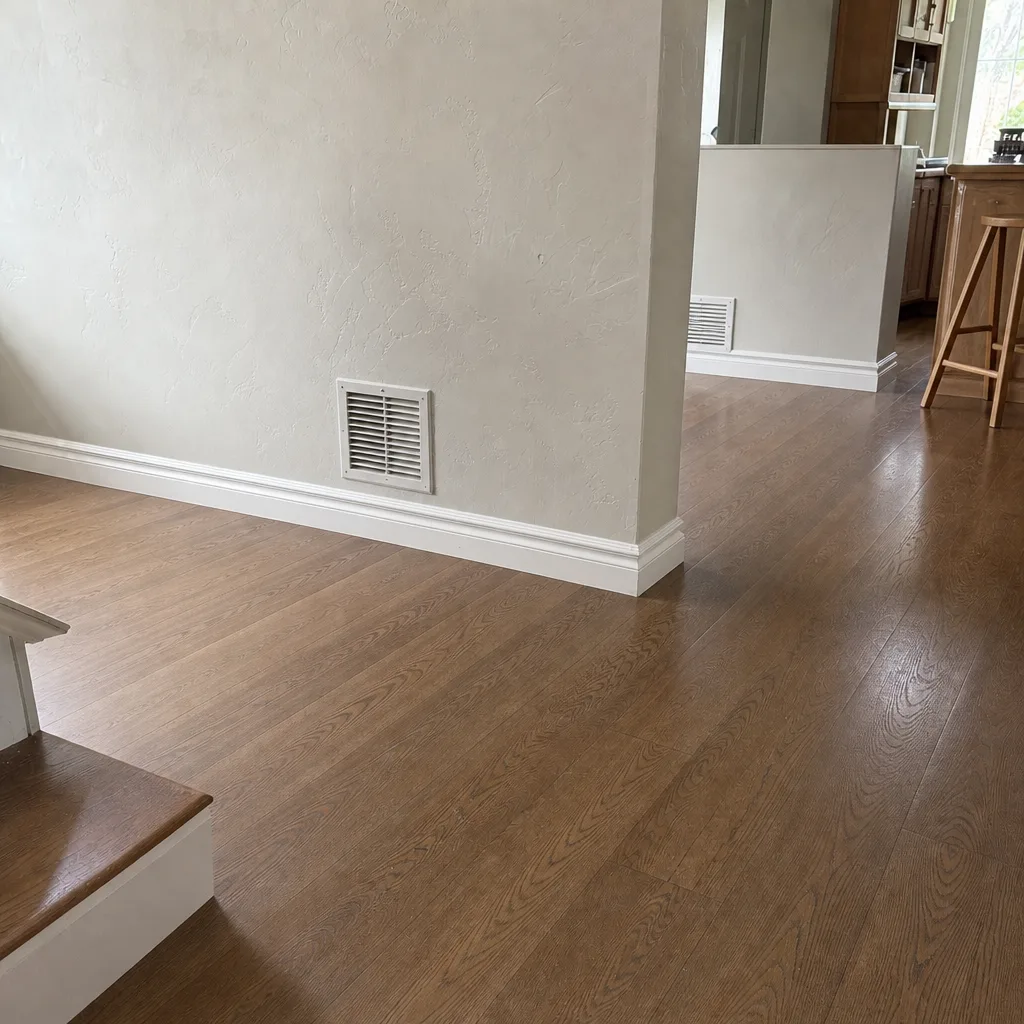 After
When to Call a Professional
Call a professional when the symptom points to something you cannot see or reach: a musty odor that persists after filter replacement, a room that stays warm despite balanced register positions, a utility bill that climbs without explanation, or visible mold growth at a register opening. These are signs that the problem lives inside the duct system or at a connection point you cannot access from the living space. A camera inspection and professional-grade cleaning equipment are the tools that turn a guess into a diagnosis. Carlsbad homeowners can call Duct Cleaning Carlsbad at (855) 353-1322 for a free estimate. We answer 24/7. Fast dispatch from 7am to 7pm, Sunday through Friday.
Frequently Asked Questions
Air duct cleaning in Carlsbad is priced per job by the written estimate, not per vent. The estimate is free, and the final price is agreed before work starts. The size of the home, the number of duct runs, and the level of contamination all affect the scope of work, so a small single-story home and a large two-story with multiple returns sit at different price points. Call (855) 353-1322 for an exact quote. We answer 24/7.
You know your ducts need cleaning when you see visible dust accumulation at the register openings, smell a stale or musty odor when the system runs, or find that your home gets dusty within days of cleaning despite regular filter changes. These symptoms indicate material has built up in the duct runs and is being redistributed through the living space. A visual inspection with a camera can confirm what a register check can only suggest.
Dirty air ducts can contribute to poor indoor air quality by recirculating dust, pet dander, and pollen through the living space every time the system runs. For households with allergy or asthma concerns, this repeated exposure is a real issue, not a scare tactic. Carlsbad’s high pollen counts during spring and fall mean more particulate matter enters the home, and a dirty duct system holds onto that material and re-releases it over time.
Air duct cleaning removes accumulated dust, debris, and contaminants from the interior of the duct system using mechanical agitation and HEPA vacuuming. Air duct repair addresses structural problems: disconnected joints, crushed flex sections, leaking plenum penetrations, and damaged insulation. A system can need either service, or both, but they are different jobs. Cleaning does not fix leaks, and repair does not remove contamination.
A single room that stays consistently warmer than the others usually points to a duct delivery issue, not an HVAC capacity problem. The duct run serving that room may be disconnected, crushed, or undersized for the room’s heat load. Carlsbad attics get hot enough during summer to stress flex duct connections, and older homes with original ductwork often have runs that were never balanced correctly. A professional inspection can confirm which specific failure is present.
Most homes benefit from professional air duct cleaning every three to five years, but Carlsbad’s coastal humidity can shorten that interval for households with pets, allergy concerns, or visible dust issues. The humidity also creates conditions for mold growth that inland homes rarely see, so if you notice a musty odor or visible biological growth at the register, the timeline compresses. Ask what your specific system needs based on what the inspection shows, not a generic schedule.
The Bottom Line
Duct systems are mechanical assemblies, not just pipes that get dusty. They fail in predictable ways: joints separate, flex sections crush, leaks open, and moisture feeds biological growth. Learning to read the symptoms lets you match the right fix to the actual problem, whether that’s a professional cleaning pass, a targeted repair, or both in sequence. For Carlsbad homeowners, the coastal humidity adds a specific mold risk that makes diligence around register inspection worth the time it takes. Start with the visual checks at the register, document what you find, and call a professional who can show you the problem, not just describe it. The estimate is free, and the conversation will tell you what kind of company you’re dealing with before any work begins.
Written by the team at Duct Cleaning Carlsbad, serving Carlsbad since 2014.