
Last updated November 4, 2026
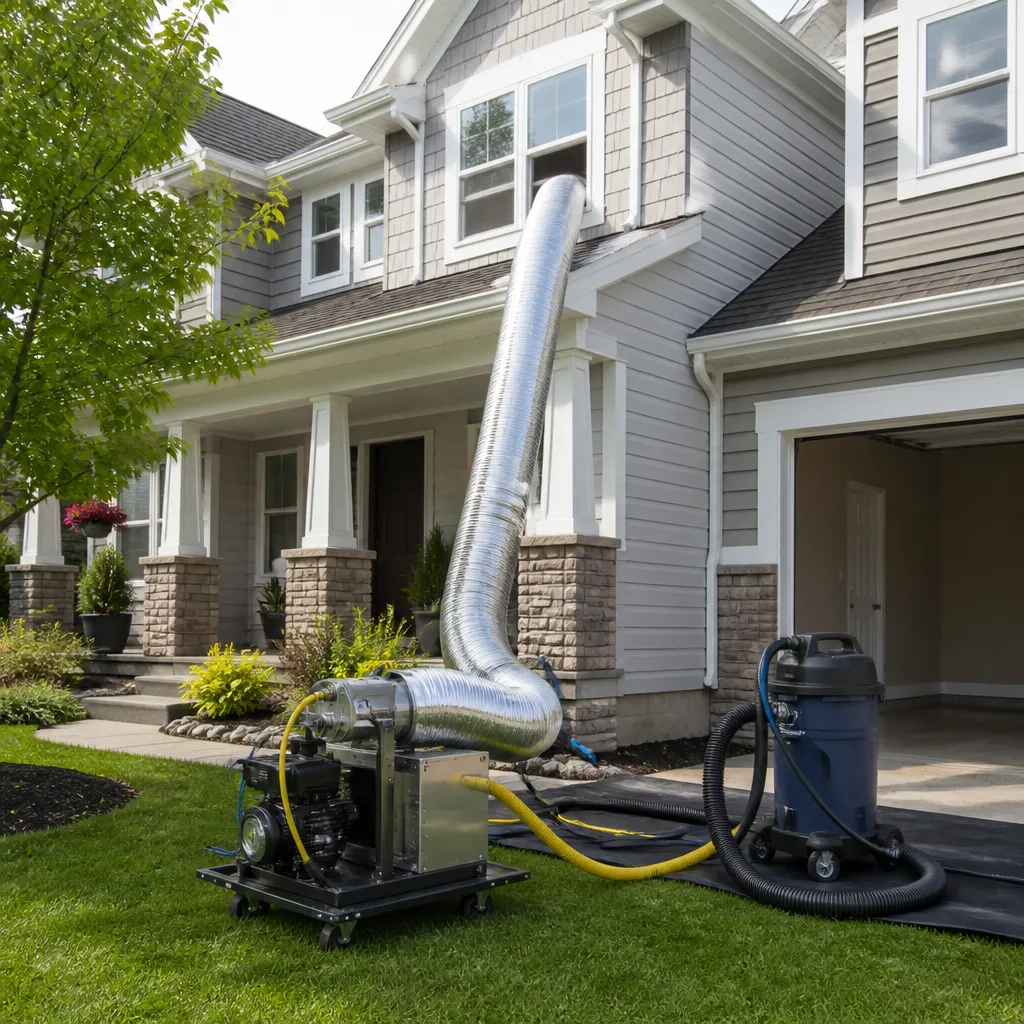 Whole-home duct cleaning
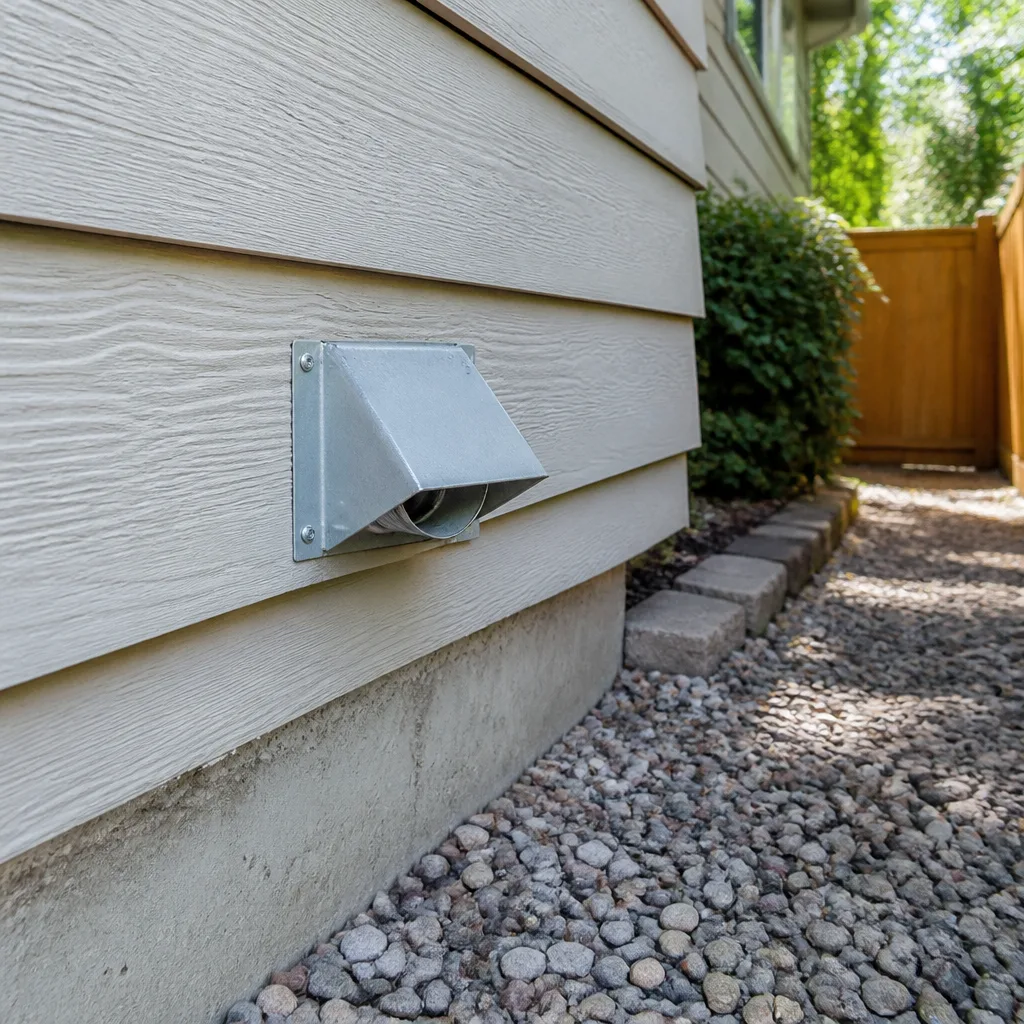 Dryer vent cleaning
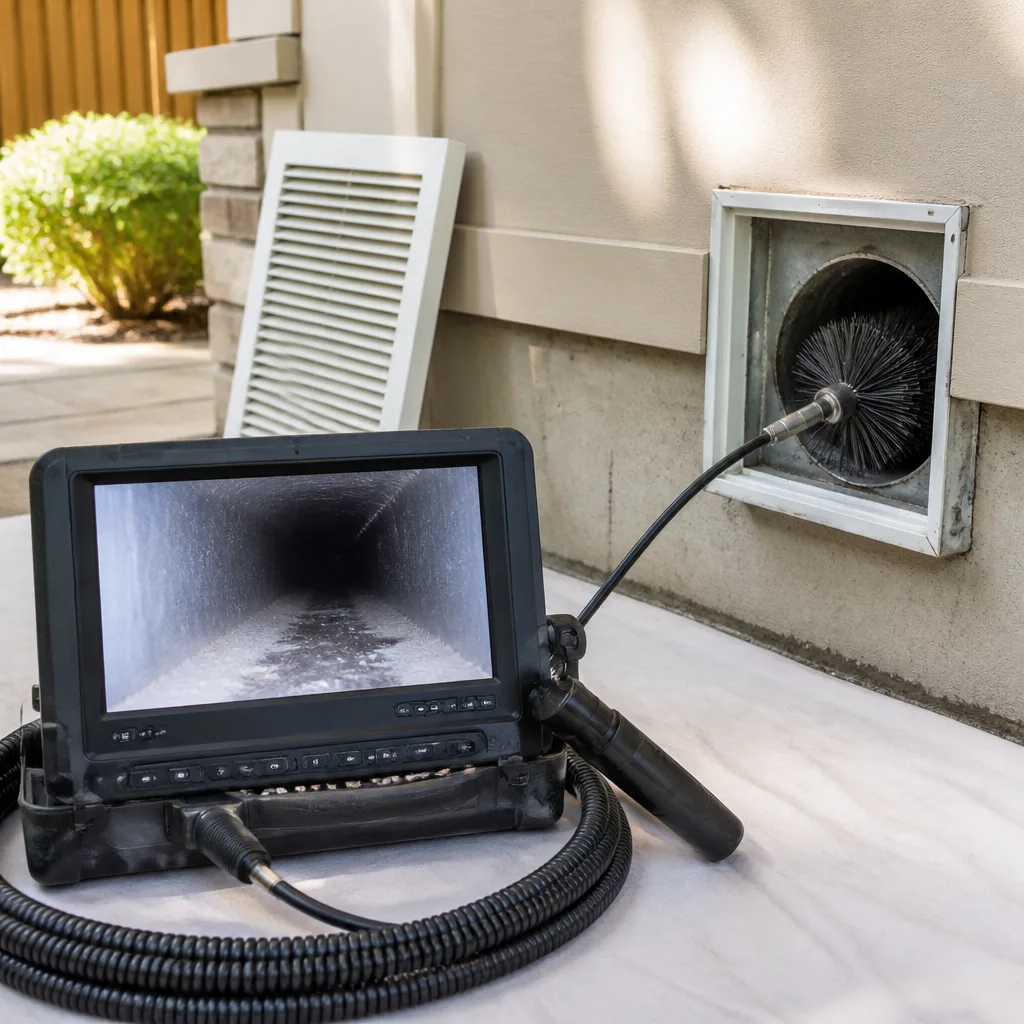 Camera inspection
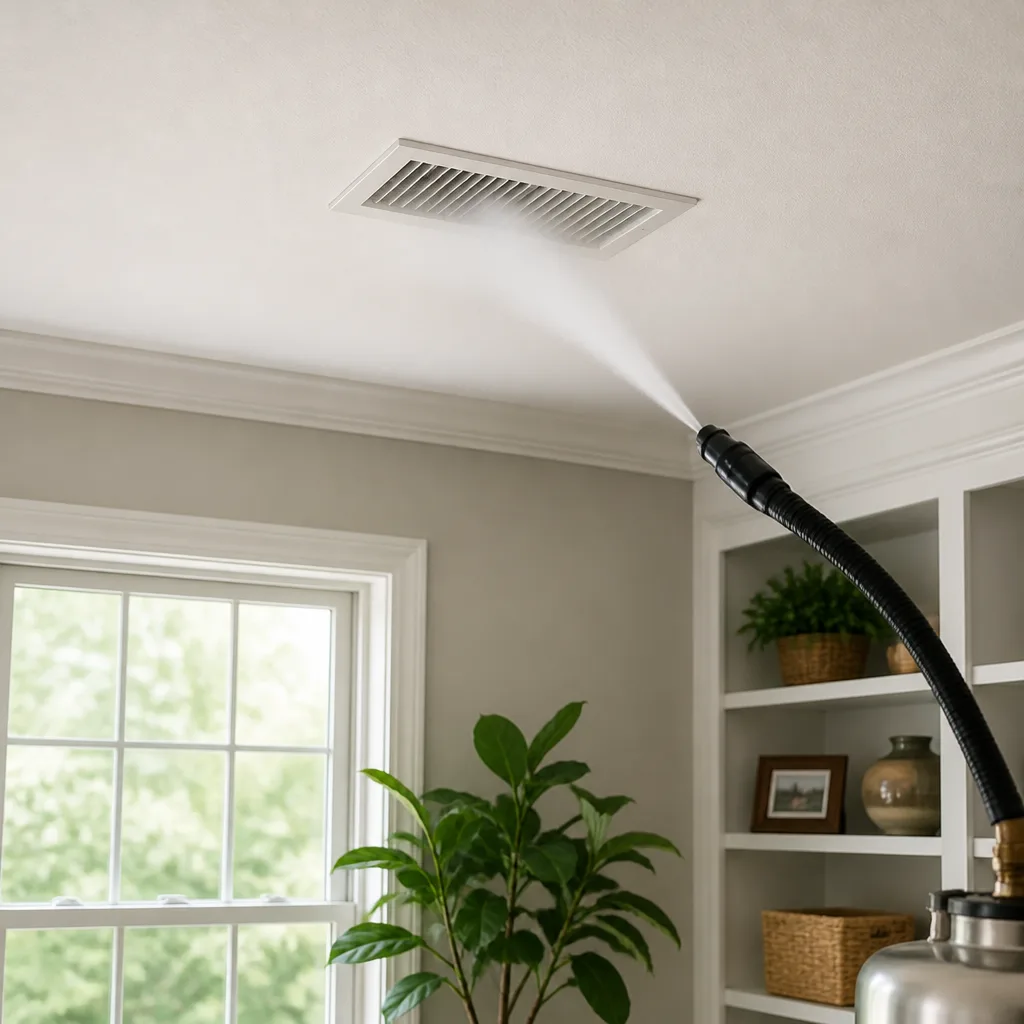 Sanitizing & deodorizing
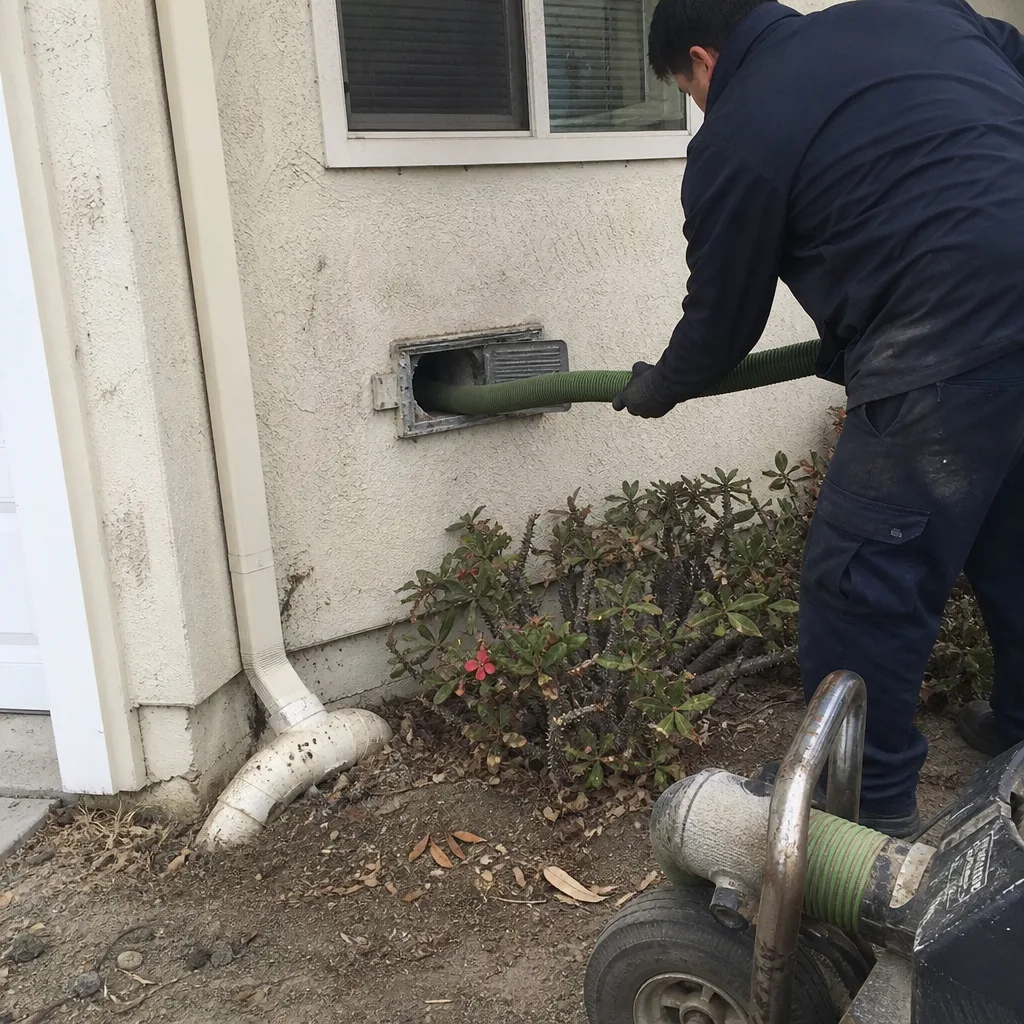
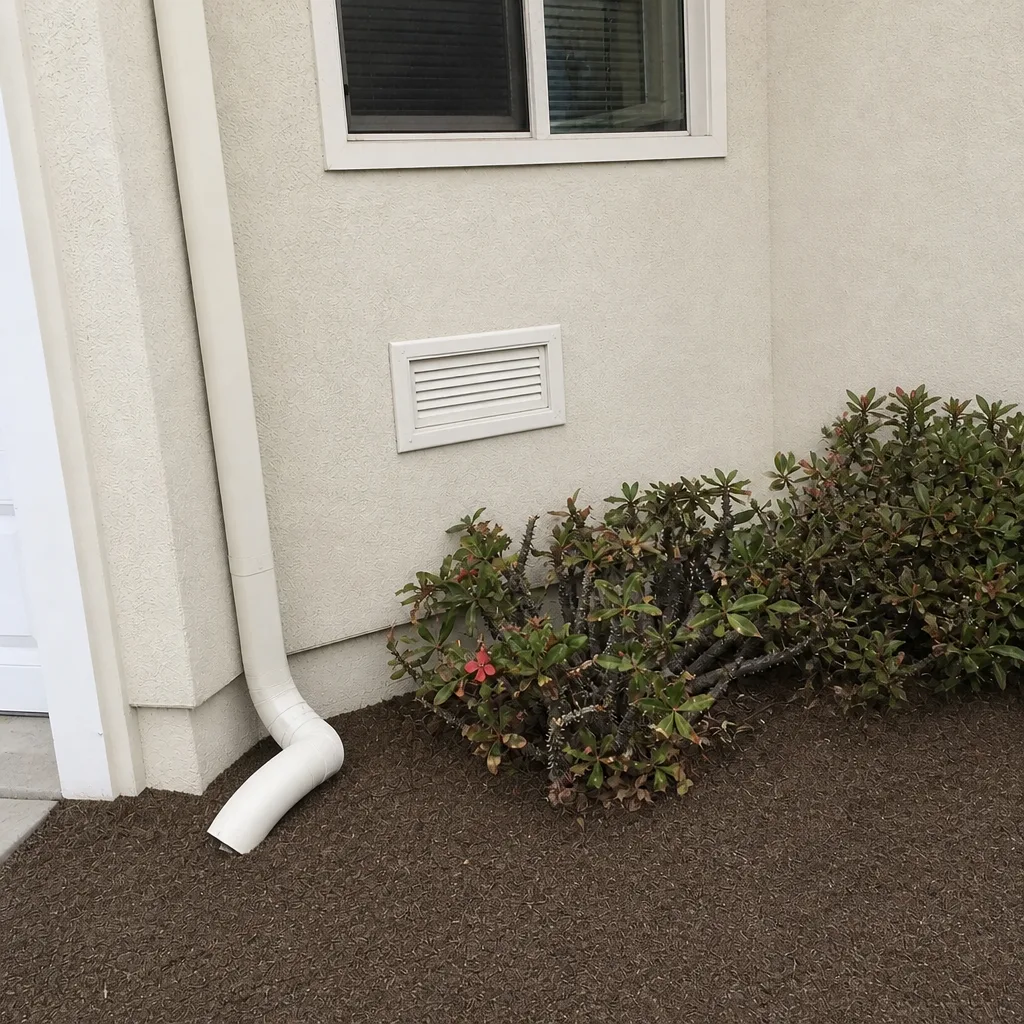
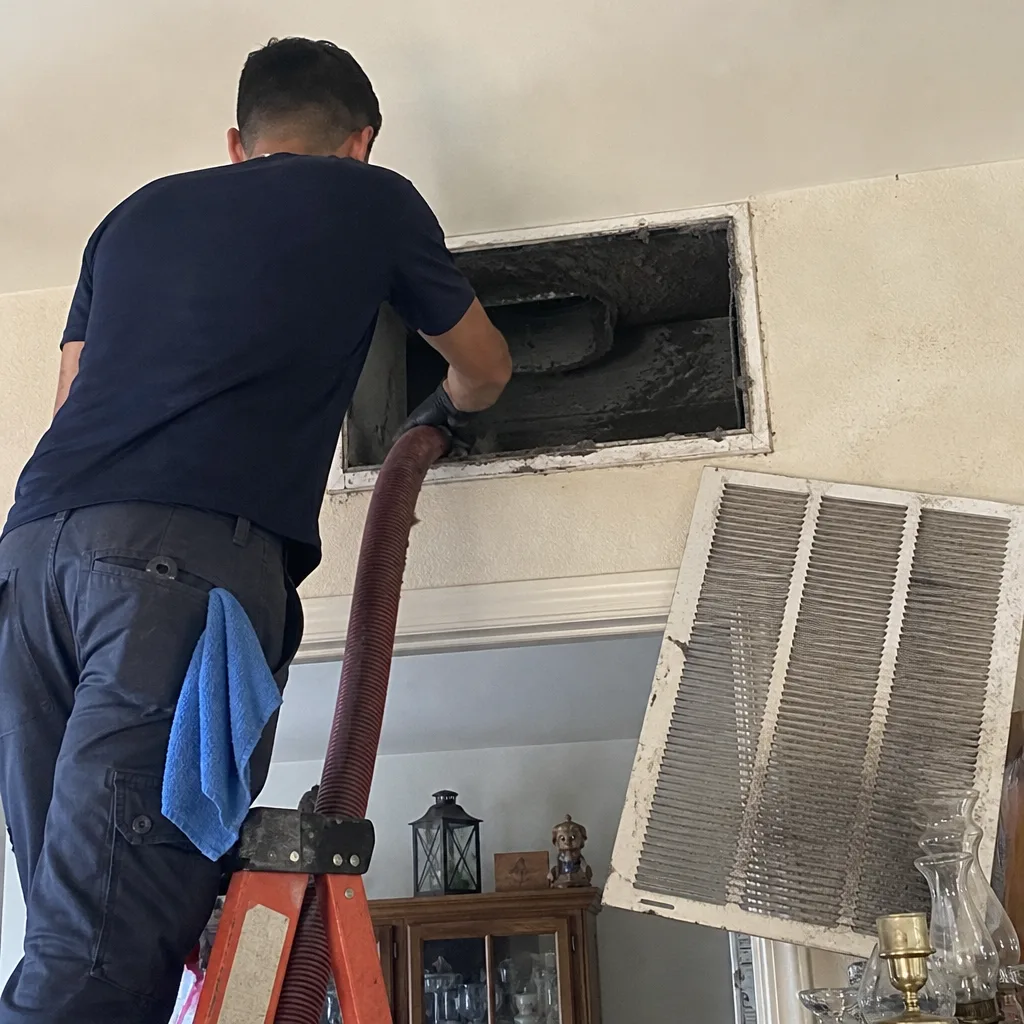
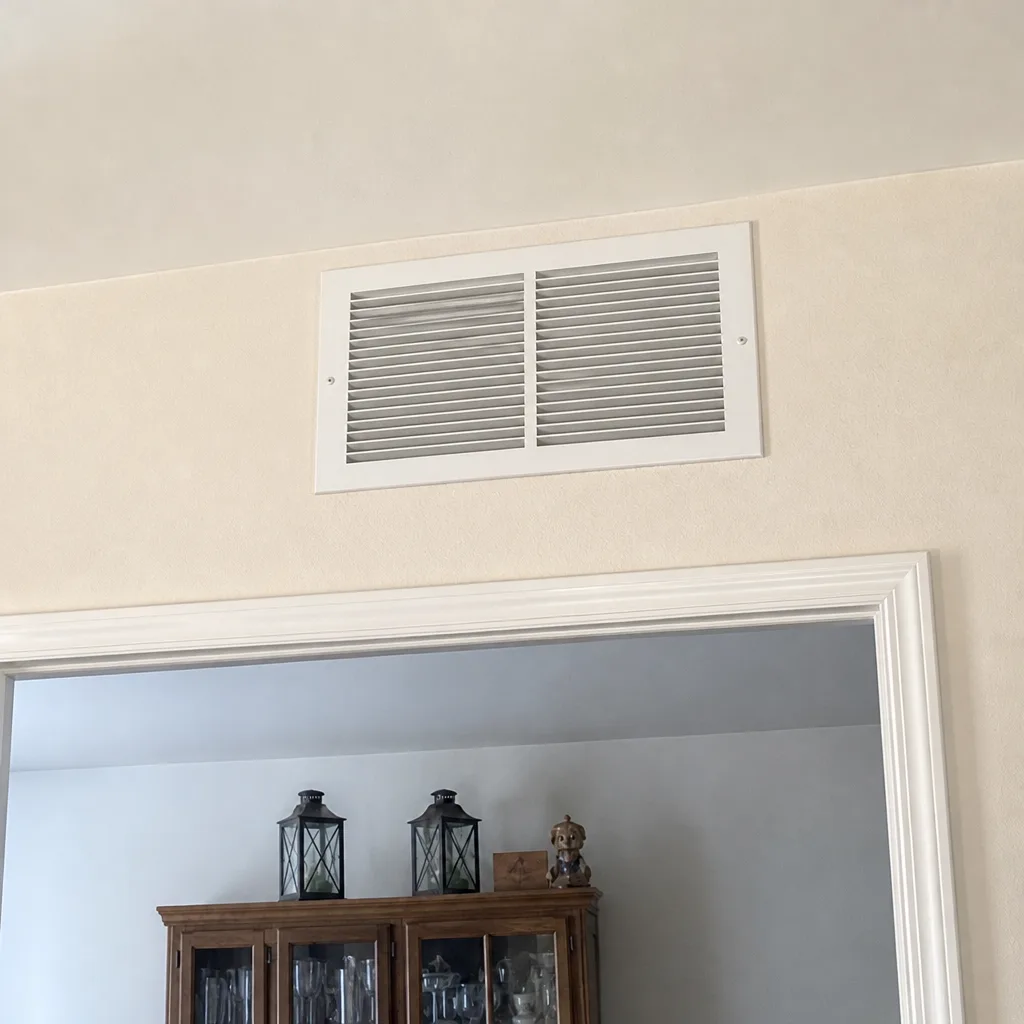
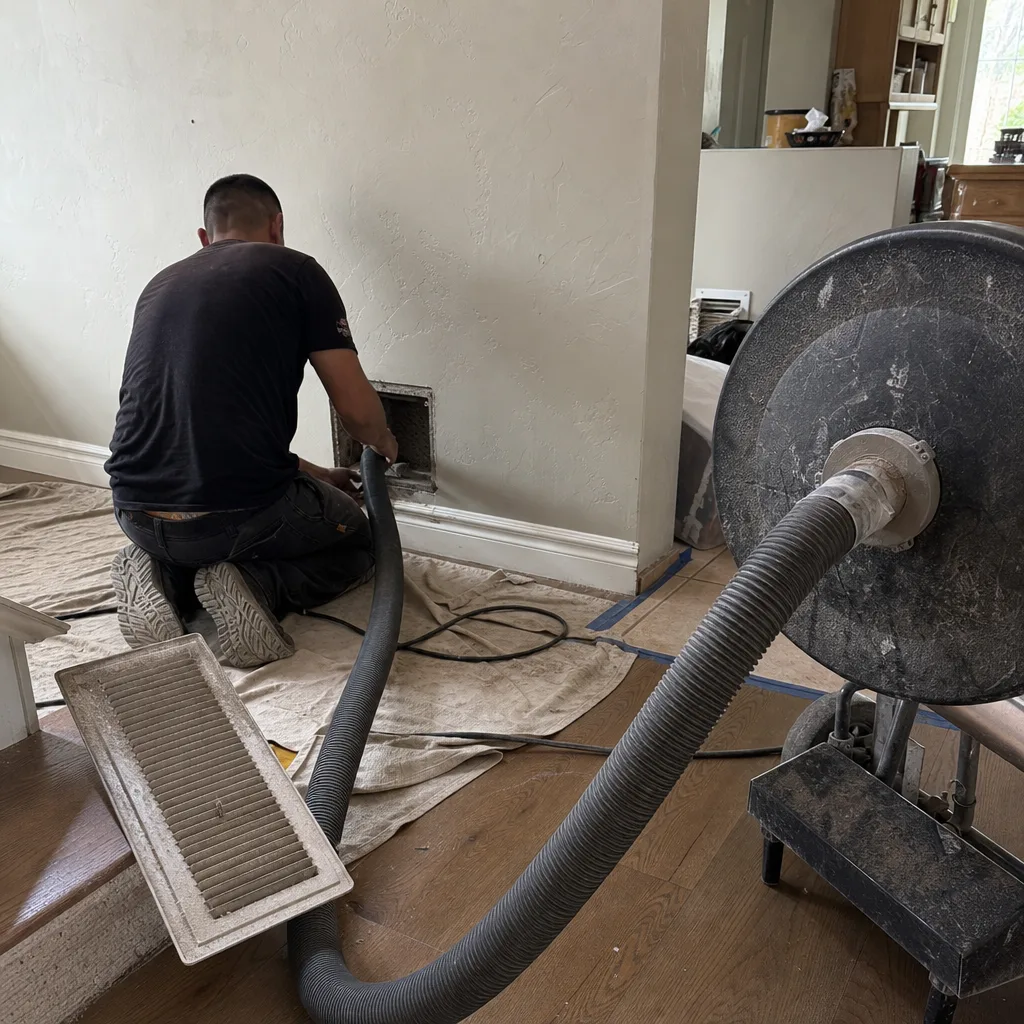
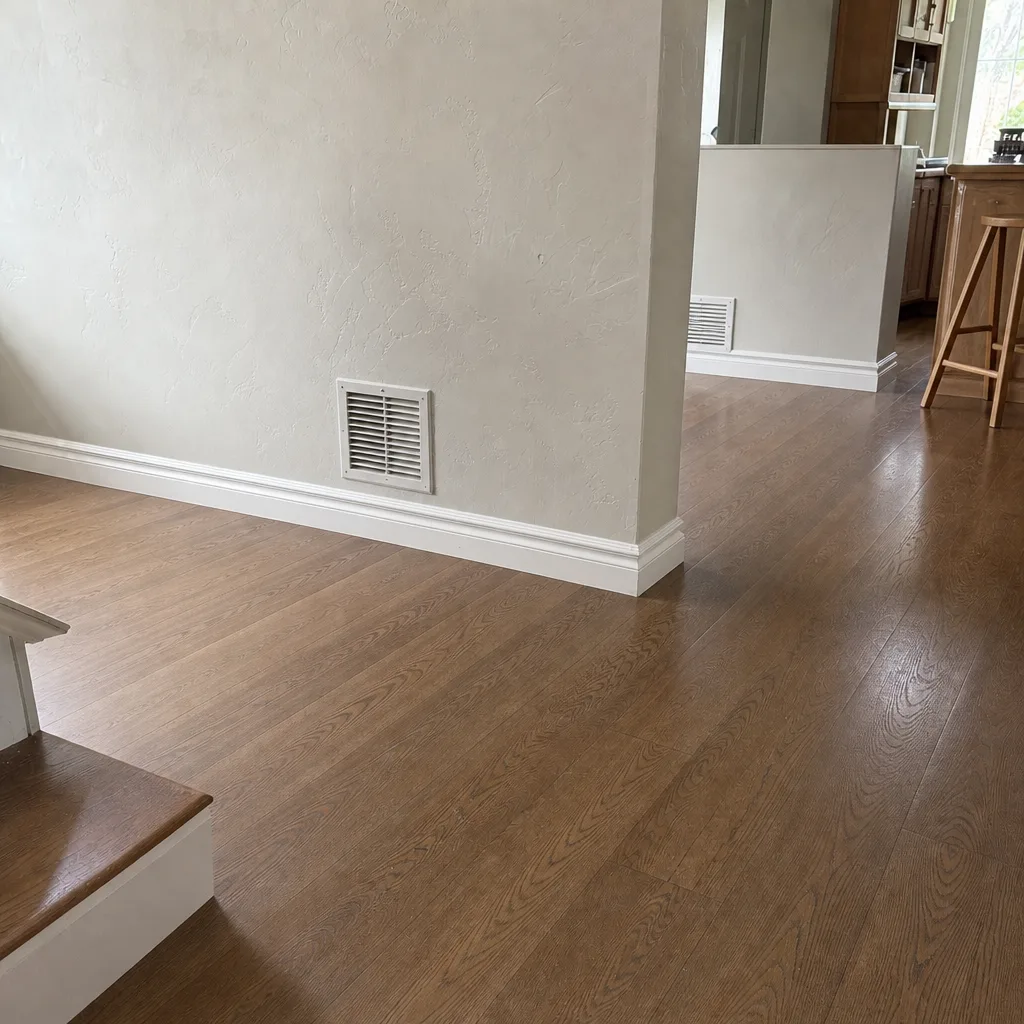
Whole-system duct and dryer vent check with before-and-after photos - you see exactly what came out of your vents
That "$99 whole-house special" is a bait ad - the real number appears once they are in your hallway, or the "clean" is a shop-vac at the register. We photograph the inside of your ducts before and after instead.
Air Duct Cleaning Emergency Preparedness Guide for Carlsbad Homes
Most homeowners in Carlsbad think of their air ducts as a passive system that only needs attention when dust builds up on the registers. That assumption falls apart the moment a wildfire pushes smoke across San Diego County, or an atmospheric river storm saturates the soil beneath a raised foundation, or a renovation crew leaves the return plenum open while cutting drywall. In each of those scenarios, the duct system stops being background infrastructure and becomes the primary pathway for contaminants moving through your home. This guide explains what actually happens to duct systems during these events, what you should do in the first hours and days, and how to document everything properly. We’ll walk through wildfire smoke protocol, flood and moisture intrusion assessment, post-renovation contamination response, and the pre-event preparation that makes each emergency less damaging.
Styles & brands we work with
- Whole-home duct cleaning
- Dryer vent cleaning
- Camera inspection
- Sanitizing & deodorizing
Quick Answer
For wildfire smoke, shut the HVAC system down entirely unless you have already upgraded to MERV 13 filtration and verified that all duct penetrations are sealed; standard fiberglass filters will not stop smoke particulates from being distributed through the home. For flood or water intrusion, you have roughly 48 hours to dry out affected duct components before mold colonization becomes a serious risk, and the duct sections in contact with water usually need professional cleaning or replacement, not just drying. For post-renovation contamination from drywall dust and construction debris, do not run the system until the ductwork has been mechanically cleaned and inspected for damage to the return-side connections.
Table of Contents
- Wildfire Smoke Protocol: When to Shut Down vs. Run Filtration
- Flood and Moisture Intrusion: The 48-Hour Decision Window
- Post-Renovation Emergencies: Open Ducts During Demo Work
- Pre-Event Preparation: Duct Sealing and Filtration Upgrades
- Documenting Duct System Condition for Insurance Claims
- Why Equipment Matters in Emergency Response
- Common Mistakes to Avoid
- When to Call a Professional
- Frequently Asked Questions
- The Bottom Line
Wildfire Smoke Protocol: When to Shut Down vs. Run Filtration
Wildfire smoke is not a single pollutant. It is a moving mixture of fine particulate matter, volatile organic compounds, and gases that changes composition depending on what is burning and how far the smoke has traveled. During Santa Ana conditions, smoke can reach Carlsbad from fires burning dozens or even hundreds of miles away, and by the time it arrives, the particulate load may be invisible. That invisibility is part of what makes the decision about running your HVAC system difficult. A standard one-inch fiberglass filter, the kind most Carlsbad homes have, captures only the largest particles. Smoke aerosols pass straight through.
Here is the protocol we recommend to homeowners in Carlsbad:
- Assess smoke density at ground level, not just sky color. If you can smell smoke inside the home or see it hanging between houses, the outdoor particulate count is high enough to matter.
- Shut the HVAC system down entirely unless you already have a MERV 13 or higher filter installed and your ductwork has been checked for leakage. A system pulling smoky outdoor air through leaky return ducts in a crawlspace will distribute that smoke into every room.
- Keep windows and exterior doors closed. Do not use bathroom exhaust fans or the kitchen range hood unless absolutely necessary. Both create negative pressure that pulls outdoor air in through wall penetrations, door gaps, and the duct system itself.
- If you have portable HEPA air purifiers, run those instead. A sealed room with a properly sized HEPA unit is far safer than circulating smoky air through unsealed ducts.
- Once the smoke clears, assess before restarting. Open a supply register and look at the inside surface. If you see a gray or black film, or if the air coming out smells acrid, the ducts need mechanical cleaning before the system runs again.
The decision to run an HVAC system with upgraded filtration depends entirely on the condition of the ductwork itself. A MERV 13 filter does nothing if the return side of the system is pulling unfiltered air through open seams or disconnected sections in a crawlspace. We have seen systems in Carlsbad where the filter looked clean but the return plenum had pulled apart, meaning every cycle was bypassing the filter entirely. That scenario is manageable during normal conditions. During wildfire smoke, it turns the HVAC system into a smoke distribution network. If you do not know the condition of your return-side ductwork, assume it leaks and keep the system off during a smoke event.
The same logic applies after the smoke event passes, not just during it. Smoke residue is acidic and fine. It adheres to duct walls, blower fan blades, and evaporator coil surfaces. A normal cooling cycle will not remove it. If you experienced visible smoke outdoors or smelled smoke indoors for more than a few hours, the duct system has accumulated a load that standard operation will continue to release back into the living space for weeks or months. A professional air duct cleaning is the only way to physically remove that residue. This is not a filter change, and it is not something an annual HVAC tune-up addresses.
Flood and Moisture Intrusion: The 48-Hour Decision Window
Atmospheric river events bring two problems to Carlsbad homes: direct water intrusion and, more often, the slow saturation of the soil beneath raised foundations. The January 2024 storms in San Diego County demonstrated how quickly standing water beneath a home becomes a duct problem. Many homes in Carlsbad have return air plenums located in crawlspaces or under-floor spaces. Those plenums are constructed from sheet metal, fiberglass duct board, or a combination of both, and they are rarely sealed against moisture. When water pools beneath the home, the humid air in that space is pulled directly into the return system every time the blower cycles. Within 48 hours, the interior surfaces of that return system reach moisture levels that support mold growth.
That 48-hour window matters because mold colonization is a biological process with a timeline, not a slow cosmetic issue. Spores that land on damp duct surfaces germinate within one to two days. Once the colony establishes, you are no longer dealing with a wet duct. You are dealing with a biological contaminant source that will continue releasing spores and microbial volatile organic compounds into the living space whenever the system runs. If the duct components in question are made of fiberglass duct board, the material itself is porous and cannot be reliably cleaned once mold establishes inside the fiberglass matrix. Replacement is the correct remedy in that case.
Here is what to check after any significant storm event in Carlsbad, even if you did not see standing water inside the home:
- Look under the house. If there is visible standing water, mud that is still wet, or a strong musty odor in the crawlspace, assume the return system has been pulling that air into the home.
- Check the return grille filters or the filter slot at the air handler. If the filter is damp, buckled, or showing water staining, moisture has already moved through the return path.
- Feel the air coming from a supply register. A musty or “dirty” smell that appears only when the system runs indicates the blower is passing air across damp or contaminated surfaces.
- Listen for changes in airflow. Moisture causes fiberglass duct board to swell and sag, and sheet metal ducts can separate at seams when the supporting straps or hangers rust or pull loose.
- Act within the first 48 hours after you suspect moisture. That is the window for drying things out before mold establishment. After that, cleaning alone may not be enough.
The correct response to confirmed moisture intrusion is not to run the system on “fan only” and hope it dries out. That approach circulates damp air through the entire duct network and distributes spores from the damp section to every other room. The correct response is to stop running the system, leave the fan off, and arrange for a professional inspection of the duct system. A company that specializes in ductwork, rather than a generalist contractor, will inspect the return plenum, the supply trunk lines, and the connections at the air handler. Sections that are wet but structurally sound can often be cleaned and dried. Sections that show swelling, rust, or mold growth need to be replaced. Duct repair capability is the difference between a temporary fix and a system that stays clean.
Post-Renovation Emergencies: Open Ducts During Demo Work
This scenario happens more often in Carlsbad than most homeowners expect. A renovation crew opens up a wall or ceiling to move a supply register, run new electrical, or replace drywall. During demolition, the supply ducts are left open. Drywall dust, which is extremely fine and highly alkaline, is pulled into the open duct by natural air currents and later distributed through the home when the system restarts. If the crew also left the return side open, demolition debris from framing lumber, old insulation, and flooring materials gets pulled into the return plenum and lodged against the filter or the blower assembly. The result is a system that is mechanically contaminated, not just dusty.
The defining characteristic of drywall dust is that it is too fine for standard furnace filters to capture. It passes through the filter, coats the blower fan blades, and settles on the interior surfaces of the supply ducts. When the system runs, the dust becomes airborne again and again. Homeowners report a fine white film on furniture and floors for months after a renovation. The dust also shortens the life of the blower motor by adding rotational load and abrasive wear to the fan assembly.
Here are the steps to take if a contractor left ducts open during demolition work in your Carlsbad home:
- Do not run the system. Every cycle pushes more of the accumulated dust through the supply side and into the living space.
- Document the condition. Take photos of any open duct openings, visible debris in the ducts, and the general state of the work area before the contractor seals things up.
- Have the ducts inspected before the system is restarted. The inspection should include the return plenum, the blower cabinet, the supply trunk lines, and each branch run.
- Schedule mechanical cleaning. A professional air duct cleaning uses source-capture vacuum systems and mechanical agitation to remove the dust that filters alone cannot address.
- Have the duct system checked for mechanical damage from the renovation. Workers moving through an attic or crawlspace can crush flexible duct runs, knock supply boots loose, or separate fittings. Those gaps defeat the purpose of cleaning because they pull dust back into the system immediately.
This is where the full-scope capability of a duct specialist matters. A company that only cleans will remove the drywall dust but leave the disconnected or damaged sections that caused part of the problem. Duct Cleaning Carlsbad offers air duct repair alongside cleaning, which means the same team that removes the contamination can also restore the compromised sections so the problem does not recur. In a post-renovation scenario, cleaning alone is a partial fix. The system needs to be clean and sealed to function correctly.
Pre-Event Preparation: Duct Sealing and Filtration Upgrades
The best time to prepare your Carlsbad home for a smoke event, flood intrusion, or any other air quality emergency is before the event occurs. Two improvements matter more than anything else: sealing the duct system and upgrading the filtration infrastructure. Both are mechanical upgrades that change how the system behaves under stress, not just during normal operation.
Duct sealing addresses the core vulnerability in most homes. The return side of a forced-air system operates under negative pressure, which means any gap, crack, or disconnected section in the return ducts pulls air from wherever those ducts are located. In a Carlsbad home with a crawlspace return plenum, that means the system is pulling air from the crawlspace, not just from the return grilles inside the living space. During a wildfire smoke event, that crawlspace air carries smoke particulates that bypass the filter entirely. During a flood event, that crawlspace air is saturated with moisture. Sealing the return side dramatically reduces the amount of unfiltered, unconditioned air that enters the system.
Filtration upgrades matter because standard one-inch fiberglass filters are designed to protect the equipment from large debris, not to protect the occupants from fine particulates. The filter slot in most residential systems can accommodate a higher-efficiency filter, but there is a limit. The HVAC system’s blower is rated for a specific static pressure range, and a filter that is too restrictive reduces airflow and increases energy use. If you want to run a MERV 13 filter during a smoke event and some of the equipment we work with supports that decision, you need to know that your blower can handle the added resistance. Our technicians work with Honeywell and Aprilaire filtration systems, which means we understand the infrastructure that supports higher-efficiency filtration, not just the filter itself.
Upgrading to a media cabinet that accepts a MERV 13 filter is a much better option than stacking restrictive one-inch filters. A media cabinet provides the same filtration efficiency with a lower pressure drop because the filter has more surface area. That means you can run the home’s HVAC system during a moderate smoke event to filter the indoor air, rather than shutting it down entirely. The system pulls smoky air from the house, passes it through the MERV 13 media, and returns cleaner air to the living space. This works only if the return side is sealed. Otherwise, the system is still pulling unfiltered crawlspace air into the mix.
We recommend having the duct system inspected and sealed before Santa Ana season, which is the period when wildfire smoke is most likely to reach Carlsbad from inland fires. The inspection identifies open return connections, crushed or disconnected flex runs, and gaps at the air handler. Sealing those gaps is a one-time upgrade that improves system performance every day and provides real protection during an emergency. It is not a guarantee that no smoke or moisture will ever enter the home. It is a meaningful reduction in the pathways that allow those contaminants to move through the system.
Documenting Duct System Condition for Insurance Claims
After a fire, flood, or renovation contamination event, insurance adjusters want evidence that the duct system was actually affected, not just a claim that it was. That evidence needs to exist in two forms: pre-event documentation that establishes the baseline condition and post-event documentation that shows the change. Homeowners who have both are far more likely to have duct cleaning and repair work approved as part of a claim.
Pre-event documentation is simple. If you have already had the ducts cleaned or inspected, keep the report. If you have not, schedule an inspection and ask the technician to document the condition of the return plenum, the supply trunks, the filter, and any visible damage. Photos of the interior surfaces through a register opening, taken with a flashlight, are better than nothing. The goal is to have a record that shows the system was clean and intact before the emergency event occurred.
Post-event documentation should be more detailed. Here is what an insurance adjuster needs to see:
- Photos of the exterior conditions that caused the problem. Standing water beneath the home, smoke-filled outdoor air, open ductwork during renovation, or any other visual evidence of the event.
- Photos of the interior of the duct system. Use a camera phone through register openings, the filter slot, and any accessible access panels. Capture visible dust accumulation, water staining, rust, mold growth, or debris inside the ducts.
- Measurements of the affected area. Note the length of the duct system, the number of supply registers, the location of the return plenum, and which sections show contamination. This helps the adjuster understand the scope of the work.
- A professional inspection report. A duct cleaning or duct repair company can provide a written assessment of the system’s condition, including photographs taken with inspection cameras, a description of the contamination found, and a recommendation for cleaning, repair, or replacement.
- A written estimate for the recommended work. The estimate should be specific about what will be cleaned, what will be repaired, and what the equipment and labor involve.
The insurance process works better when the homeowner treats the duct system as a documented piece of the property, the way you would document a roof or a water heater. A pre-event inspection report establishes the baseline. Post-event photos and a professional assessment show the change. Together, they turn a vague claim about “dirty ducts” into a specific claim about measurable contamination from a documented event.
Why Equipment Matters in Emergency Response
Not all duct cleaning is the same, and the difference matters most during an emergency. A shop vacuum connected to a register opening will remove loose debris from the first few feet of a duct run but leaves the rest of the system untouched. Smoke residue, flood-dried sediment, and drywall dust coat the full length of the ducts, the return plenum, the blower cabinet, and the supply boots. Removing that contamination requires source-capture vacuum systems and mechanical agitation tools that are designed for the job.
The equipment we use at Duct Cleaning Carlsbad includes Rotobrush rotary brush systems and Nikro commercial HEPA vacuuming equipment. The Rotobrush system mechanically agitates the interior surfaces of the ducts, breaking loose the adhered particulate film that ordinary vacuuming cannot move. The Nikro system then captures that dislodged material at the source, under negative pressure, so the contaminants are removed from the home rather than redistributed. This is commercial-grade equipment, the same type used in industrial and institutional settings, not a consumer-grade attachment. In an emergency scenario, where the goal is complete removal of smoke residue or flood-deposited sediment, the equipment difference is the difference between a job that looks clean and a job that actually is.
For elevated contamination scenarios, such as post-flood microbial concerns or heavy smoke deposition, our work with Abatement Technologies air filtration equipment provides additional capability. Negative air machines and HEPA air scrubbers capture airborne particulates during the cleaning process itself, which prevents the cleaning work from redistributing contaminants through the home. This level of equipment is not necessary for routine cleaning, but it becomes relevant when the contamination is severe or when the occupants have respiratory sensitivities.
The same logic applies to air quality equipment brands. Our technicians are certified to service Honeywell and Aprilaire systems, which means we understand how filtration infrastructure integrates with the duct system. A Honeywell media cabinet or an Aprilaire whole-home air cleaner is only as effective as the ducts that carry air to and from it. When we clean the ducts and service the filtration system together, the result is a system that actually delivers the filtration efficiency it was designed for.
Common Mistakes to Avoid
- Running the HVAC system during a smoke event on a standard filter. A one-inch fiberglass filter passes smoke particulates through in minutes, and the system then distributes the smoke through every register. Shut the system off unless you have verified MERV 13 filtration and sealed return ducts.
- Waiting longer than 48 hours to address flood moisture in the duct system. Mold colonization begins within one to two days on damp duct surfaces. By day five, the problem has changed from a cleaning issue to a replacement issue.
- Treating drywall dust as a cosmetic problem. Drywall dust is fine enough to pass through filters, abrasive enough to shorten blower motor life, and persistent enough to cause visible film on surfaces for months after the renovation. It requires mechanical removal.
- Hiring a generalist contractor to handle a duct contamination event. A contractor without source-capture vacuum systems and mechanical agitation tools cannot remove adhered particulates from the full length of the duct runs. The result is a system that looks fine at the register but remains contaminated inside.
- Failing to document the pre-event condition of the duct system. Insurance adjusters process claims based on evidence of change, not assertions that the system used to be clean. A pre-event inspection report makes the post-event claim far stronger.
- Cleaning the ducts without repairing the leaks that let contaminants in. In many Carlsbad homes, the return system pulls air from crawlspaces and wall cavities through unsealed connections. Cleaning removes the current contamination, but repair is what prevents the next event from causing the same problem.
- Assuming the ducts are fine because the filter looks clean. A clean filter means unfiltered air is bypassing it through a leak in the return side, not that the ducts are clean. Smoke and dust that miss the filter end up on the blower and the supply-side duct walls.
When to Call a Professional
Some duct conditions can be handled with a filter change and a visual check. These are not those conditions. Anytime the duct system has been exposed to wildfire smoke, flood moisture, or construction debris, the right move is professional inspection and, in most cases, professional cleaning. If you see visible contamination when you open a register, smell a musty or acrid odor when the system runs, find standing water beneath the home, or know that renovation contractors left ducts open during demo work, do not run the system and do not wait to see if the problem resolves. It will not.
Duct Cleaning Carlsbad offers free estimates in Carlsbad. Call (855) 353-1322. We answer 24/7. Fast dispatch from 7am to 7pm, Sunday through Friday.
Frequently Asked Questions
After a regional smoke event, check the inside surfaces of your supply registers with a flashlight. Smoke residue appears as a gray or black film. If the air coming out of the registers has an acrid, burnt smell, or if surfaces in the home show a fine dark film shortly after the smoke clears, the ducts have accumulated smoke particulates and need professional cleaning before the system continues to run.
You can run the system only if two conditions are met: the filter is genuinely MERV 13 or higher, and the return-side ductwork has been checked and sealed so no unburned crawlspace or wall-cavity air bypasses the filter. Without sealed return ducts, the system pulls smoky air in through leaks and distributes it through the home. If you are unsure about the condition of your return ducts, keep the system off and use portable HEPA air purifiers instead.
You have roughly 48 hours from the time moisture reaches the duct system to dry things out and arrange professional cleaning before mold colonization begins. That timeline is shorter in Carlsbad’s mild climate, where temperatures often sit in the range that supports rapid fungal growth. After the 48-hour mark, contaminated sections, especially porous fiberglass duct board, may require replacement rather than cleaning.
Shut the system off, document the condition with photos, and schedule a professional duct inspection before restarting. Drywall dust and demolition debris that entered the open ducts will be distributed through the home on the first cycle if the system runs before cleaning. The inspection should include the return plenum, blower cabinet, supply trunks, and branch runs so any mechanical damage from the renovation is identified and repaired alongside the cleaning.
Many homeowners policies cover duct cleaning and repair when the contamination is the direct result of a covered event, such as wildfire smoke intrusion or flood damage. The key to approval is documentation. Pre-event photos or inspection reports that show the system’s prior condition, plus post-event photos and a professional assessment, give the adjuster the evidence they need. Without documentation, the claim is harder to substantiate.
Professional duct cleaning uses source-capture vacuum systems and mechanical agitation tools to remove adhered particulates from the full length of the duct system, not just the first few feet of the register runs. Equipment like the Rotobrush rotary brush system and Nikro commercial HEPA vacuums dislodge and capture smoke residue, drywall dust, and other fine contaminants that consumer vacuums cannot reach. The process also includes inspection of the return side, the blower cabinet, and the air handler connections, which is where many emergency contaminants accumulate.
The answer depends on the material and the extent of the water exposure. Sheet metal ducts that were briefly damp can often be cleaned and dried, provided the moisture was addressed within the 48-hour window. Fiberglass duct board is porous, and once water penetrates the material and mold establishes inside the fiberglass, cleaning will not reliably remove the contamination. Those sections need replacement. A professional inspection determines which condition applies to your system.
The Bottom Line
Emergency preparedness for your Carlsbad home’s duct system comes down to three things: knowing when to shut the system off, knowing what the 48-hour moisture window means, and knowing what documentation your insurance company will require. Smoke, floodwater, and renovation debris each create a specific contamination problem, and each requires a specific set of responses. The right preparation is duct sealing and filtration infrastructure upgrades before the event. The right response is professional inspection, mechanical cleaning, and repair after the event. Dryer vent cleaning addresses a separate fire risk, but the same principle applies: the system needs to be clean and properly connected to work safely. For any emergency situation involving your air ducts, call (855) 353-1322 for a free estimate. We answer 24/7. Fast dispatch from 7am to 7pm, Sunday through Friday.
Written by the team at Duct Cleaning Carlsbad, serving Carlsbad since 2014.
See the difference
 Before
 After
 Before
 After
 Before
 After