
Last updated November 4, 2026
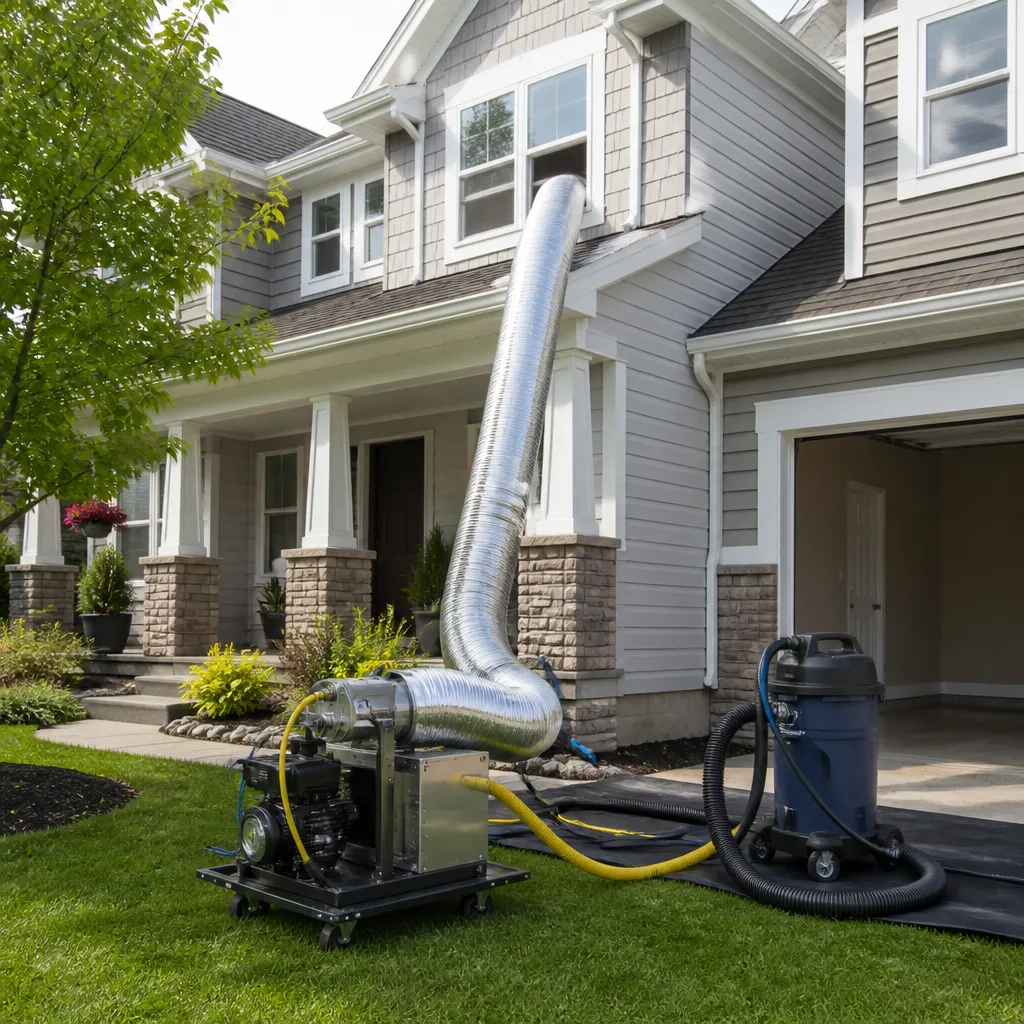 Whole-home duct cleaning
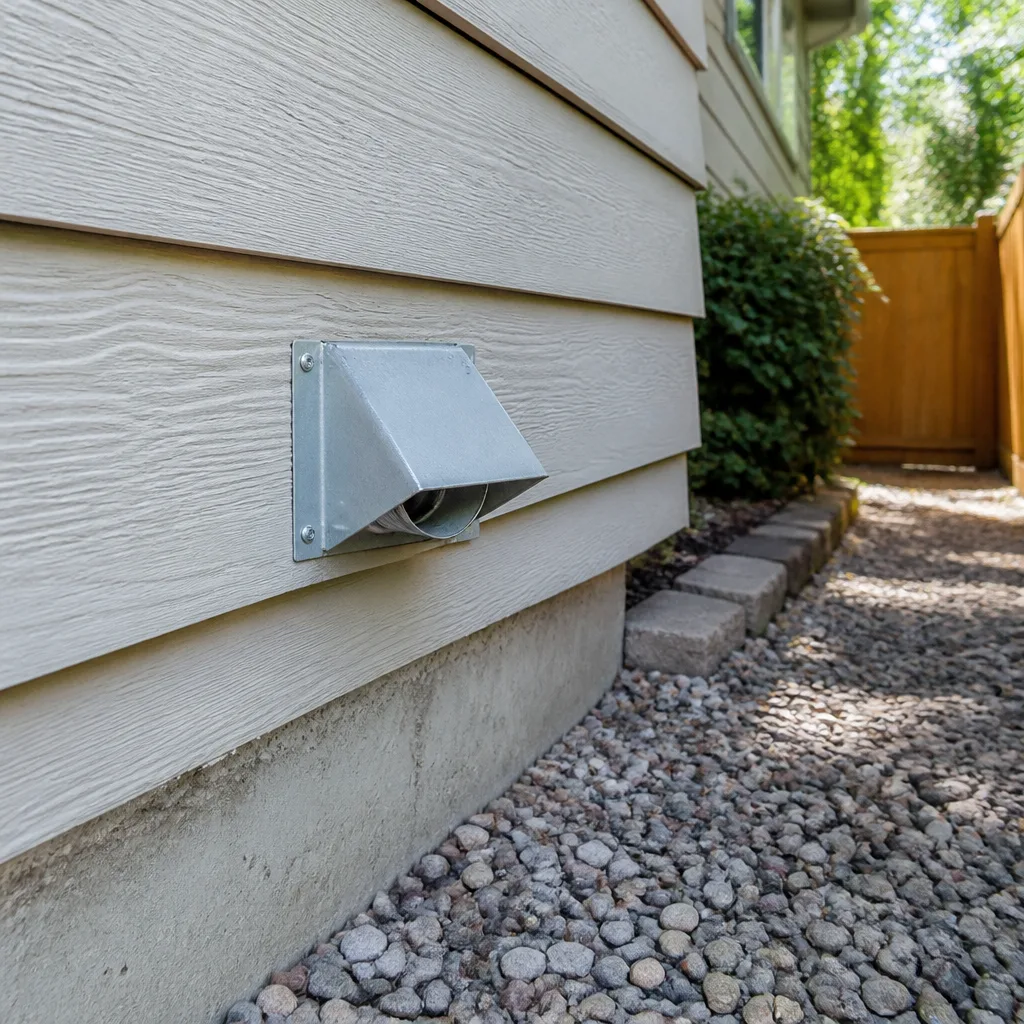 Dryer vent cleaning
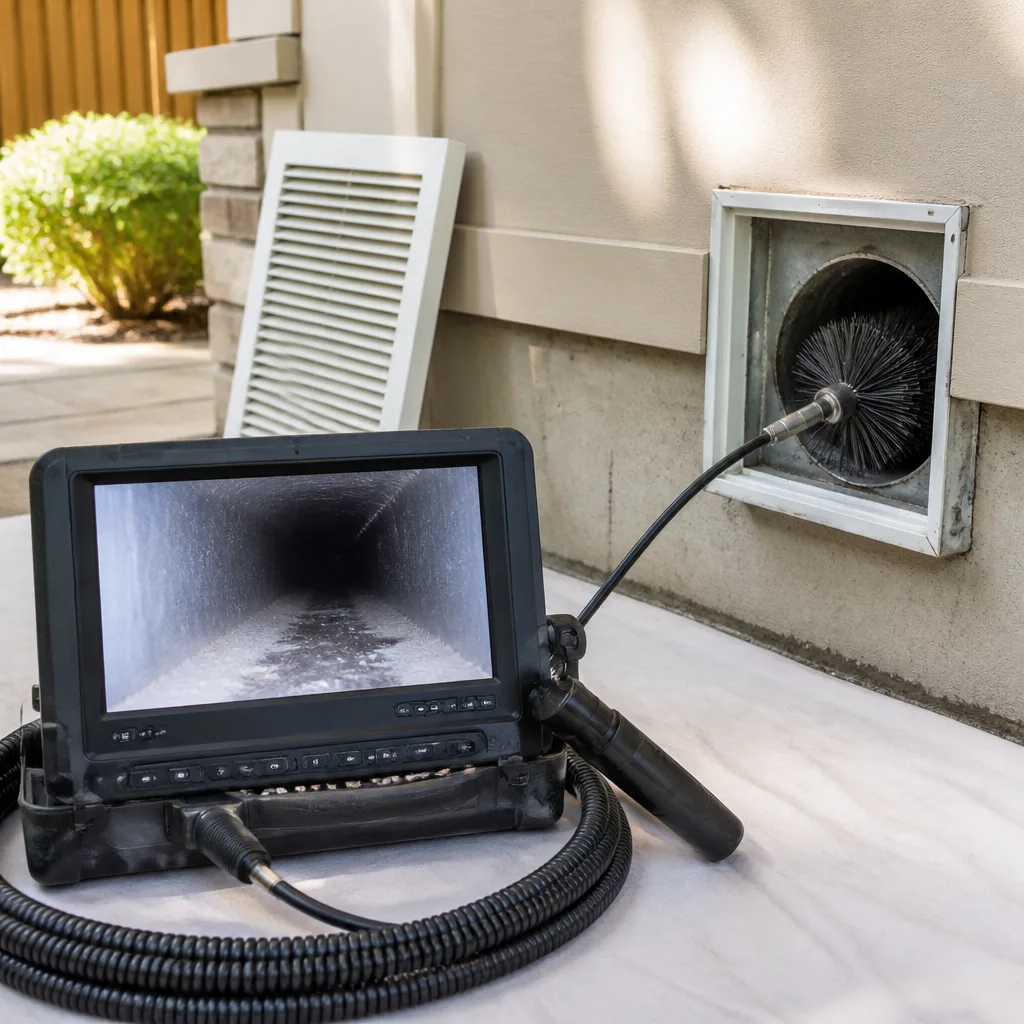 Camera inspection
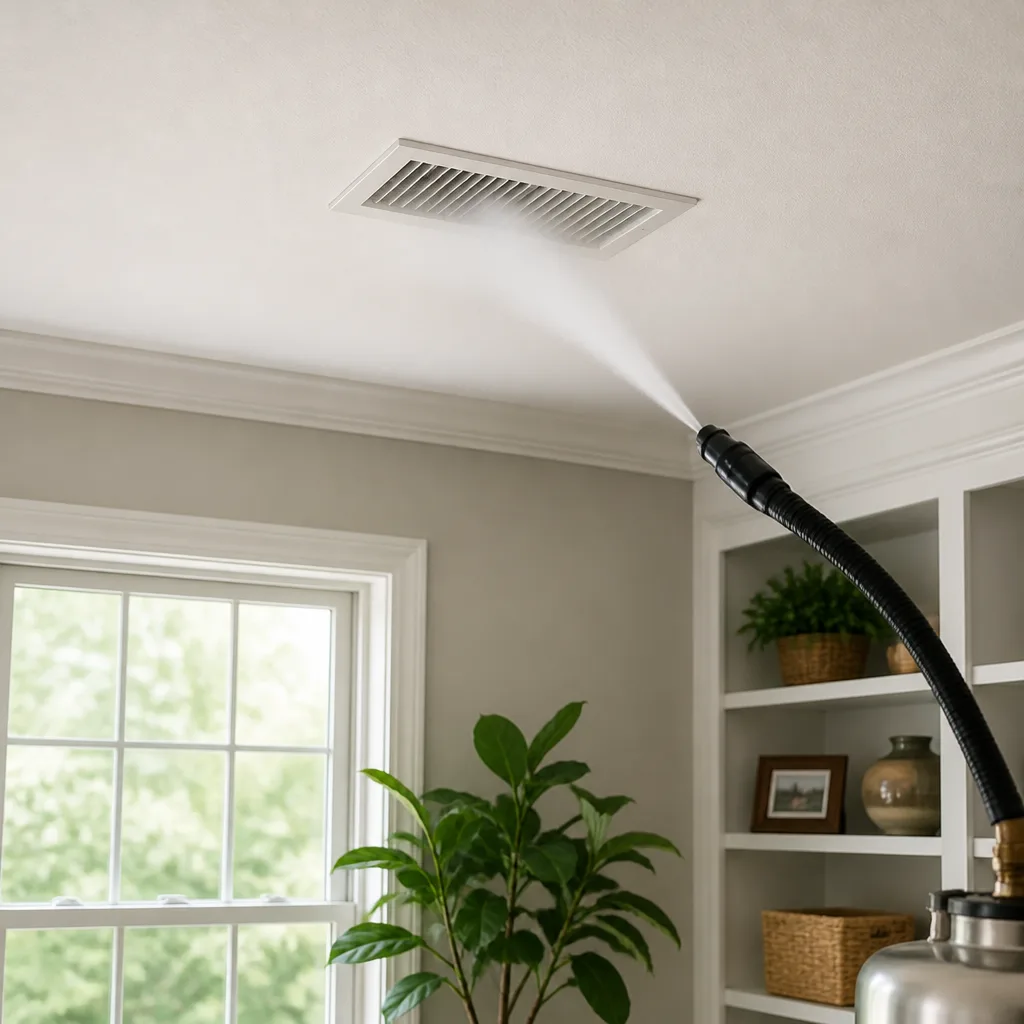 Sanitizing & deodorizing
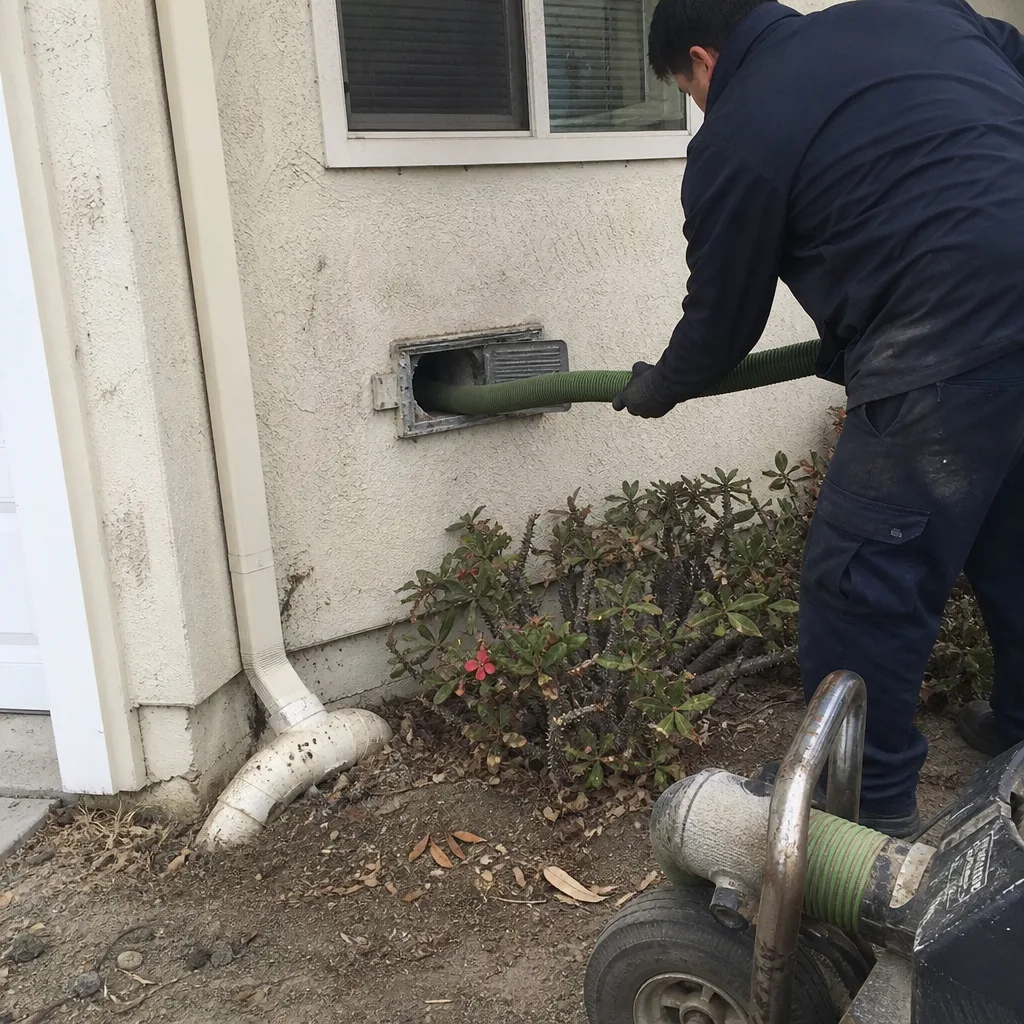
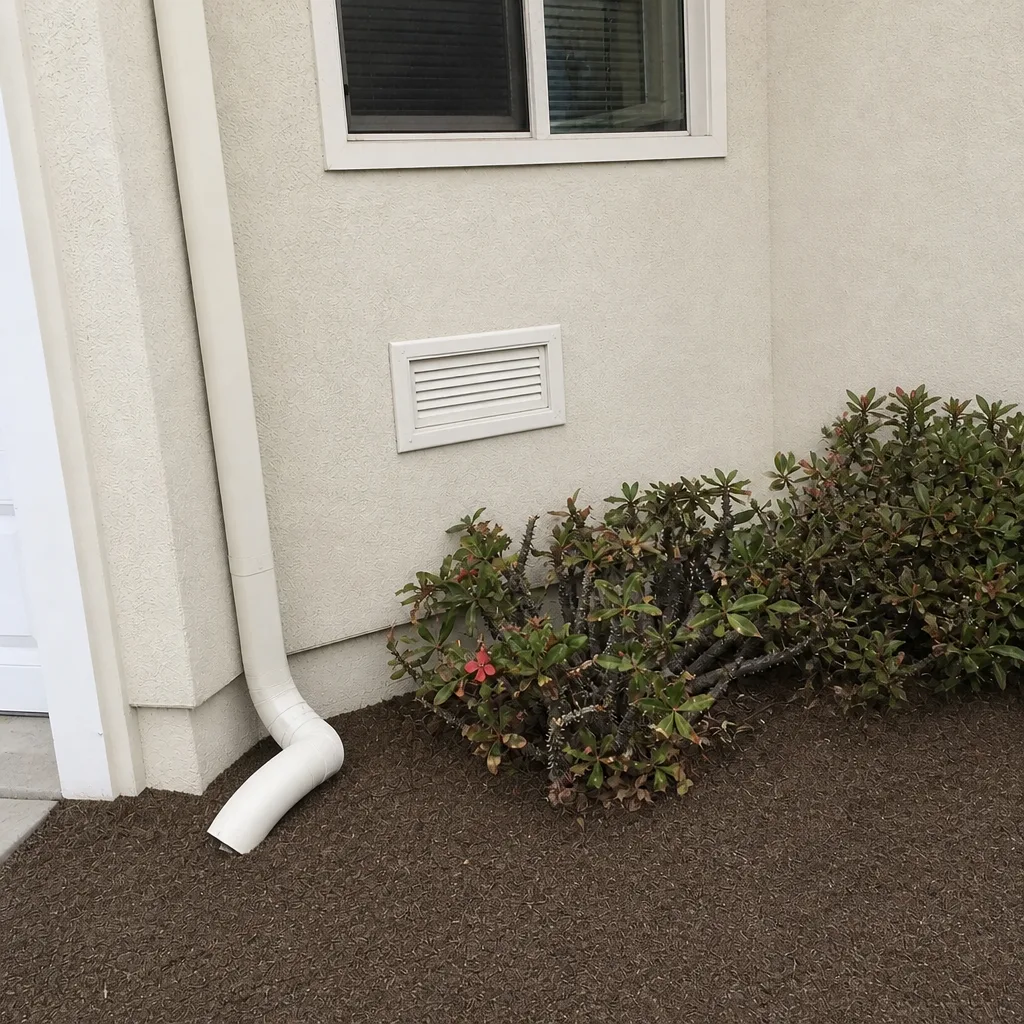
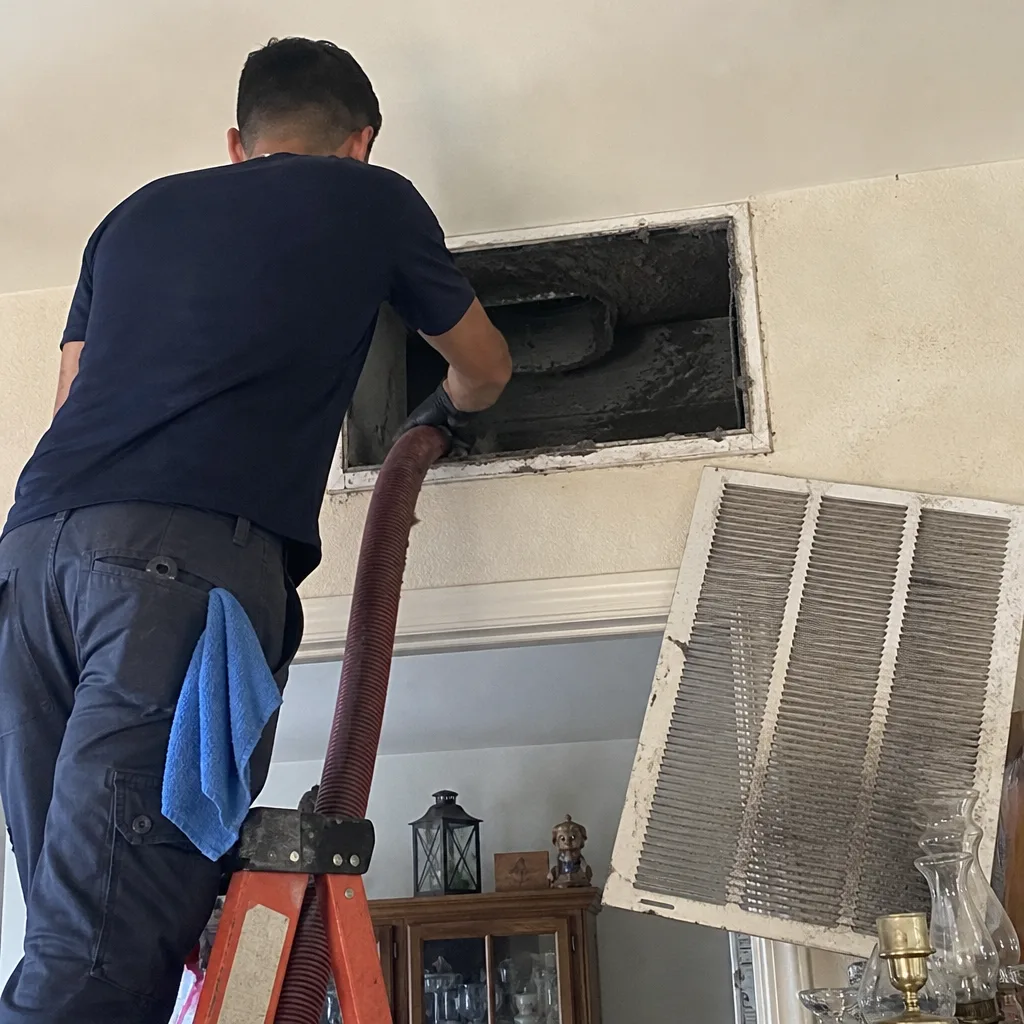
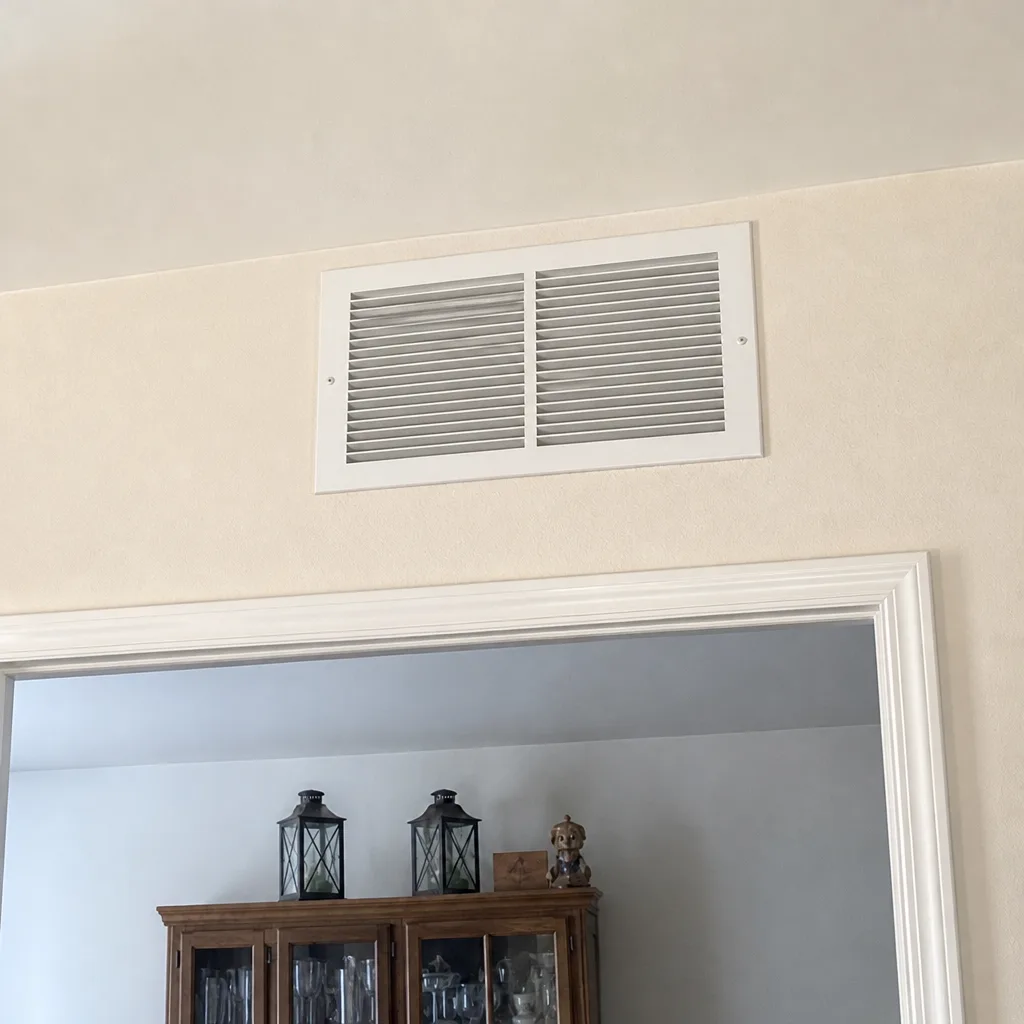
Whole-system duct and dryer vent check with before-and-after photos - you see exactly what came out of your vents
That "$99 whole-house special" is a bait ad - the real number appears once they are in your hallway, or the "clean" is a shop-vac at the register. We photograph the inside of your ducts before and after instead.
DIY vs Professional Air Duct Cleaning: The Carlsbad Homeowner’s Decision Guide
Most Carlsbad homeowners don’t realize that a shop vac and good intentions can actually make their indoor air worse. The first 18 inches of a supply register are fair game for a homeowner with patience and the right attachments. But the moment you push suction beyond the register boot, you’re not cleaning your ducts anymore. You’re redistributing compacted debris, and some of it will end up in the air handler, where it becomes a bigger problem than the one you started with. This guide draws the honest technical line between what a homeowner can genuinely accomplish and where consumer equipment stops being useful.
Styles & brands we work with
- Whole-home duct cleaning
- Dryer vent cleaning
- Camera inspection
- Sanitizing & deodorizing
Quick Answer
DIY air duct cleaning in Carlsbad is realistic for register cleaning, return grille maintenance, and dryer vent clearing, but it cannot reach the trunk lines, flex duct interiors, or air handler coil compartments where most accumulated debris actually sits. Professional equipment, specifically rotary brush systems paired with HEPA-level vacuum containment, removes debris rather than loosening and redistributing it. For anything beyond the first visible foot of ductwork, a professional job is the only honest way to get actual results.
Table of Contents
- What a Homeowner Can Actually Accomplish with Consumer Tools
- Where DIY Stops Working: Flex Duct, Trunk Lines, and the Air Handler
- The Migration Problem: How DIY Attempts Make Professional Jobs Harder
- How to Do a Legitimate DIY Pre-Inspection Before Calling a Pro
- Cost Comparison: What You Save Doing Prep Work vs. What Commercial Equipment Costs
- Why the Equipment Matters: Rotary Agitation vs. Suction Alone
- What Carlsbad’s Climate Means for Your Ducts
- Common Mistakes to Avoid
- When to Call a Professional
- Frequently Asked Questions
- The Bottom Line
What a Homeowner Can Actually Accomplish with Consumer Tools
Let’s be honest about what consumer equipment can do, because there are legitimate DIY tasks that make sense for a Carlsbad homeowner. Register cleaning is the obvious one. Supply registers collect dust, pet hair, and cooking grease at the point where conditioned air enters your living space. You don’t need a commercial rig to clean a register. Remove it, vacuum it with a brush attachment, wash it if it’s metal, and reinstall it. That’s a real improvement, and you should do it between professional cleanings.
Dryer vent clearing is another legitimate DIY task. A homeowner with a dryer vent brush kit and a cordless drill can clear the visible run from the dryer connection to the exterior termination, provided the run is short and relatively straight. In Carlsbad, where many homes are single-story with short lateral vent runs, this is actually reasonable. A 10-foot or 15-foot run through an exterior wall is something a careful homeowner can handle. It’s a fire-safety task, not a convenience item, and doing it properly means clearing the entire run, not just the lint screen.
Return air grille maintenance rounds out the legitimate DIY list. Return grilles pull unfiltered air toward the system, which means they collect a startling amount of dust and fiber. Removing the grille, vacuuming the opening as far as you can reach, and cleaning the grille itself prevents that material from being drawn into the filter or, worse, past it. This is genuinely useful work.
What all three tasks share is access. You can see them. You can reach them. The debris is at the surface. That’s the boundary of DIY capability.
Where DIY Stops Working: Flex Duct, Trunk Lines, and the Air Handler
The moment ductwork leaves the visible register and enters the wall, floor, or attic, the physics change. Flex duct interiors are corrugated, not smooth. Debris settles into the ridges and compacts over years of thermal cycling. A shop vac simply doesn’t produce the airflow velocity needed to lift compacted material from those corrugations. Worse, any debris it does disturb is now loose in the airstream, moving toward the air handler rather than being removed from the system.
Trunk line interiors present the same problem at scale. A trunk line is the large supply duct that distributes conditioned air throughout the home. By the time a Carlsbad home has gone five or ten years without duct service, the trunk line floor has a compacted layer of fine particulate that no consumer vacuum can lift. It requires rotary mechanical agitation, which means a brush system that physically breaks the debris free while a vacuum captures it at the point of disturbance. That’s not DIY territory. That’s a Rotobrush rotary brush system running continuously through the duct run.
The air handler coil compartment is the hard limit, plain and simple. The evaporator coil sits downstream of your filter in most systems, and it’s where compacted debris does its worst work. A dirty coil reduces heat exchange efficiency and forces your system to run longer cycles. Cleaning an evaporator coil properly requires access, chemical cleaners, and controlled water flow. It also requires knowing how to avoid damaging the coil fins, which are soft aluminum and easily bent. A homeowner who reaches into the coil compartment with a shop vac and a brush attachment is risking a very expensive repair. We don’t recommend it, and most honest HVAC technicians wouldn’t either.
The takeaway is simple: if you can’t see it and touch it from where you’re standing, consumer tools aren’t cleaning it. They’re stirring it.
The Migration Problem: How DIY Attempts Make Professional Jobs Harder
This is the scenario most guides won’t tell you about, and it’s the one we see the most in Carlsbad. A homeowner decides to clean their own ducts. They get a shop vac, maybe a flexible hose, and they start feeding it into the supply run from a register. The vacuum pulls some debris out and they feel good about that. But the vacuum isn’t strong enough to capture everything it disturbs, and the hose is only reaching the first few feet of a duct run that extends thirty feet. The disturbed debris doesn’t sit still. It moves with the next HVAC cycle, and it keeps moving until it hits something that stops it. In many systems, that’s the evaporator coil or the blower motor compartment.
Now the professional has a different job than they would have had. The debris that was evenly distributed through the duct run and could have been removed with a single rotary brush pass has now consolidated in the most expensive, hardest-to-reach component of the system. The cleaning becomes a coil cleaning plus a duct cleaning. Sometimes it becomes a coil removal and chemical clean. The homeowner’s attempt to save money has created a job that costs more than the original duct cleaning would have.
We’re not saying this to scare anyone off. We’re saying it because it’s the truth, and because an honest guide should tell you what actually happens. The professional equipment we run, specifically the Nikro commercial HEPA vacuum systems paired with rotary agitation, is designed to capture debris at the point of disturbance. That containment is the whole game. Without it, cleaning is just redecorating.
How to Do a Legitimate DIY Pre-Inspection Before Calling a Pro
You can save real money and get a better professional outcome by doing a legitimate pre-inspection before you call anyone. This is DIY work that actually helps. It tells you whether your ducts need service at all, or whether your problem is something simpler, like an undersized filter or a register that just needs cleaning.
Here’s the honest step-by-step for a Carlsbad homeowner:
- Turn off the HVAC system at the thermostat. You want settled debris to stay settled while you inspect.
- Remove two or three supply registers in different parts of the house. Pick rooms with different airflow, like a far bedroom and a high-traffic living area.
- Use your phone camera. Set it to video mode with the flash on, and insert it slowly into the register opening. Aim it down the duct run, then at the boot itself. Do this slowly. The footage will be surprisingly clear.
- Look for three things. First, visible dust lines or dust accumulation on the metal boot interior. Second, debris sitting on the duct floor beyond the boot. Third, any dark spots or discoloration that could indicate moisture contact, which matters more in Carlsbad’s dry climate as a sign of condensation rather than leaks.
- Inspect the return side. Remove a return grille if accessible. Look at the filter. If the filter is clean but the return duct interior is visibly dusty, the filtration is not doing its job across the whole system.
- Check the filter housing. If you can see gaps around the filter, you’re bypassing filtration and pulling unfiltered air directly into the system. That’s a filter fitment issue, and you can fix it with a properly sized filter before paying anyone to clean your ducts.
- Review your footage. If the register boots are clean, the visible duct run is clean, and the filter fits correctly, you probably don’t need duct cleaning. Better filtration might be the answer, and that’s a far cheaper fix.
This inspection gives you something most homeowners never have: an informed basis for deciding whether to spend money on duct service at all.
Cost Comparison: What You Save Doing Prep Work vs. What Commercial Equipment Costs
The honest cost comparison is not between a $30 DIY attempt and a $1,500 professional job. That comparison is false because the DIY attempt doesn’t do the same work. It’s comparing a register wipe-down to a full-system cleaning. The honest comparison is between doing the prep work yourself to reduce the professional scope and paying a technician to do everything from scratch.
Here’s a realistic breakdown for a typical Carlsbad single-family home with a residential forced-air system:
- Register cleaning (DIY): $0. Takes an afternoon. You’re removing screws, vacuuming, washing, and reinstalling. Real, useful work.
- Return grille cleaning (DIY): $0. Twenty minutes with a vacuum and a damp cloth. Prevents a visible dust source from recirculating.
- Dryer vent clearing (DIY, short run): $30 to $50 for a brush kit. Reasonable if the run is short and straight. Stop if you hit resistance you can’t identify.
- Phone camera pre-inspection (DIY): $0. Gives you the information needed to decide what actually needs professional service.
- Full-system duct cleaning (professional): This is a per-job estimate, not a flat price. It’s based on system size, number of runs, contamination level, and accessibility. The estimate is free, and the price is set in writing before any work starts.
- Air duct repair (professional, if needed): If your pre-inspection reveals disconnected runs, gaps, or damaged flex duct, that’s a repair scope added to the cleaning. It’s not optional work given that a cleaned duct that leaks re-contaminates quickly.
What you save by doing the prep work is not necessarily money off the invoice, though an honest company will tell you what it saw during your pre-inspection and not sell you work you don’t need. What you save is time on site, which matters, and the certainty that you’re buying exactly the scope your system actually requires. For the cleaning itself, there’s no DIY equivalent to what rotary agitation plus HEPA containment does. That equipment exists for a reason.
Why the Equipment Matters: Rotary Agitation vs. Suction Alone
The difference between a professional duct cleaning and a homeowner with a shop vac is not effort. It’s not even technique, though technique matters. It’s the physical mechanism of removal. Suction alone does not clean a duct. It extracts loose material from the surface layer. The compacted layer stays, which is the layer that affects airflow and air quality.
Rotary agitation changes that. A brush rotates against the duct wall at speed, physically breaking the bond between compacted debris and the duct surface. The debris goes airborne for a fraction of a second, which is exactly where the vacuum containment catches it. That’s why professional systems run the vacuum simultaneously with the brush. The agitation and capture are a single operation. One without the other is either ineffective or actively harmful.
Commercial equipment examples make this concrete. A Rotobrush system pushes a rotating brush head down the duct while a vacuum pulls the loosened material back out through the hose. Nikro HEPA filtration ensures that what gets vacuumed stays in the vacuum, rather than being exhausted into the living space. These are not consumer tools. They’re the same class of equipment used in commercial and industrial duct systems, scaled down for residential application. When a Carlsbad homeowner asks why professional air duct cleaning costs what it does, the answer starts with the machinery, because that machinery is the difference between removing debris and relocating it.
Filters and air-quality system compatibility matter too. If your home has a Honeywell or Aprilaire media cabinet or electronic air cleaner, the technician needs to understand how that system interacts with the ductwork. An Aprilaire media cabinet running at a high MERV rating puts different demands on the blower and the duct configuration than a basic one-inch filter does. Not every duct cleaning company has certified familiarity with those systems. The ones that do are working at a different technical level than the shop-vac operators.
What Carlsbad’s Climate Means for Your Ducts
Carlsbad’s inland desert-adjacent climate does specific things to duct systems that homeowners in other regions don’t deal with. The dry air means fine particulate, especially dust and pollen, stays airborne longer and settles more evenly through the system. You don’t get the heavy moisture-related growth issues of humid climates, but you do get a very fine, very even dust loading that compacts into the duct floor and the coil fins over time.
Homes in Carlsbad run their cooling systems through long stretches of the year, and that runtime matters. An HVAC system that cycles frequently pulls more air through the filter, which loads the filter faster and pushes more fine particulate past it. In a Carlsbad summer, the system can run thousands of cycles. Each cycle moves air through the ducts whether or not the house is being actively cooled. The ducts are the system’s lungs, and they’re working all year.
Properties in established Carlsbad residential areas, particularly older single-family homes, often have original ductwork that was sealed with materials that dry and crack in the low-humidity environment. When that happens, conditioned air leaks into wall cavities and attic spaces, and unfiltered air gets pulled into the returns. Cleaning doesn’t fix that. Repair does. That’s where full-scope Duct Cleaning Carlsbad service differs from a cleaning-only operator. The ability to seal and restore compromised duct sections as part of the same visit is the difference between a result that holds and a result that degrades in months.
Common Mistakes to Avoid
- Using a leaf blower to “blow out” the ducts. This doesn’t clean anything. It pressurizes the ducts and forces debris into the air handler, the coil compartment, and every room in the house. It’s the single worst thing you can do to a duct system, and it happens more often than we like to think.
- Taping a hose onto a shop vac and calling it duct cleaning. The shop vac was never designed for this. The hose diameter is wrong, the airflow is insufficient, and the reach is minimal. You’ll clean the register boot and nothing else.
- Assuming a clean filter means clean ducts. The filter catches material that reaches it. What’s already in the ducts, behind the filter, or past it stays where it is. A clean filter is a good sign, but it’s not a duct inspection.
- Ignoring the return side entirely. Homeowners focus on supply registers because those are visible. The return side moves just as much air and collects just as much debris. If your return ducts are loaded, you’re pulling dusty air across the coil and re-filtering it instead of preventing the load.
- Treating dryer vent cleaning as optional. In Carlsbad’s dry climate, lint buildup is a real ignition source, and the dryer vent cleaning task is a fire-prevention service, not an add-on. A clogged vent also makes the dryer run hotter and longer, which is a waste of energy and a strain on the appliance.
- Using duct tape to seal leaks. Despite the name, duct tape fails as a duct sealant. It dries, cracks, and loses adhesion. Real duct sealing uses mastic or foil-backed tape applied over a cleaned surface, and it’s a repair task, not a DIY patch.
- Waiting until the system smells bad to investigate. Odors from a duct system are a late indicator. By the time you smell it, the material causing the odor has been accumulating for a long time. A phone camera inspection can catch loading before it becomes an odor problem, and it costs nothing.
When to Call a Professional
Call a professional when the problem is beyond the reach of your hand and your camera. That means any evidence of debris in the trunk lines, visible dust beyond the register boot, or a coil that you cannot inspect easily and that has not been cleaned in years. It means a home where the ducts have never been cleaned since installation, or where renovations have covered walls and ceilings while the system was still open to construction dust. It means any situation where you’ve already attempted a DIY cleaning and noticed debris continuing to appear in the living space afterward, which is the classic sign of migration. For homeowners in Carlsbad, the most reliable approach is an assessment rather than a guess. Duct Cleaning Carlsbad offers free estimates in Carlsbad. Call (855) 353-1322. We answer 24/7. Fast dispatch from 7am to 7pm, Sunday through Friday.
Frequently Asked Questions
Yes, for the parts of the system you can see and reach directly. Register cleaning, return grille maintenance, and short dryer vent runs are legitimate homeowner tasks that improve air quality and reduce fire risk. The key is stopping there rather than pushing tools into duct interiors where consumer equipment can’t achieve containment.
Professional air duct cleaning in Carlsbad is priced per job based on system size, number of supply and return runs, contamination level, and accessibility. There’s no honest flat rate. A written estimate sets the price before work begins, and the estimate is free. Call (855) 353-1322 for a scope assessment. We answer 24/7. Fast dispatch from 7am to 7pm, Sunday through Friday.
Cheaper quotes generally mean less equipment, less time, and less scope. A low-cost operator may use a consumer-grade vacuum with a brush attachment, which reaches the visible parts of a few supply runs but cannot clean trunk lines, flex duct interiors, or air handler components. The price difference is almost always a scope difference. Ask what equipment is being used and whether the quote includes the full duct system or just the visible registers.
A legitimate professional will offer before-and-after documentation, typically photos or video from inside the ducts matching the inspection footage you already have. You should be able to compare the condition of the same duct run before and after service. If a company cannot show you this, ask why. You already have phone camera footage from your pre-inspection, so you have a baseline to compare against.
There’s no universal schedule, and anyone quoting a number as if it applies to every home is guessing. The honest answer depends on your system: how much it runs, what kind of filter you run, whether you have pets, and whether any renovation work has been done since the last service. Many Carlsbad homes are fine with a professional cleaning every three to five years, but a home with shedding pets and a basic one-inch filter may load faster than one with a high-MERV media cabinet and minimal indoor dust sources. Your phone camera pre-inspection is the best tool for knowing when it’s actually time.
Clean ducts reduce the reservoir of particulate that recirculates through the living space, which can help households managing allergy or asthma symptoms by lowering the background dust load. But the ducts are only one part of the picture. Filtration quality, filter fitment, and the condition of the duct runs themselves all matter. A well-sealed duct system with high-MERV filtration and clean runs is the full answer, not cleaning alone.
The Bottom Line
DIY air duct cleaning in Carlsbad has a legitimate role, and it’s a narrow one. You can clean what you can see, maintain what you can reach, and inspect enough to make an informed decision before anyone sends you an invoice. What you cannot do with consumer tools is clean the trunk lines, flex duct interiors, or air handler components where the real loading happens. Rotary brush systems paired with HEPA containment exist because they do what suction alone cannot. If your inspection finds debris beyond the register boot, you have your answer. If it doesn’t, you’ve saved yourself a service call and gained a cleaner filter housing. Either way, you’re making a decision based on what’s actually in your ducts, and that’s the only honest way to do it.
Written by the team at Duct Cleaning Carlsbad, serving Carlsbad since 2014.
For a free estimate on professional air duct cleaning, dryer vent cleaning, or air duct repair in Carlsbad, call (855) 353-1322. We answer 24/7. Fast dispatch from 7am to 7pm, Sunday through Friday.
See the difference
 Before
 After
 Before
 After
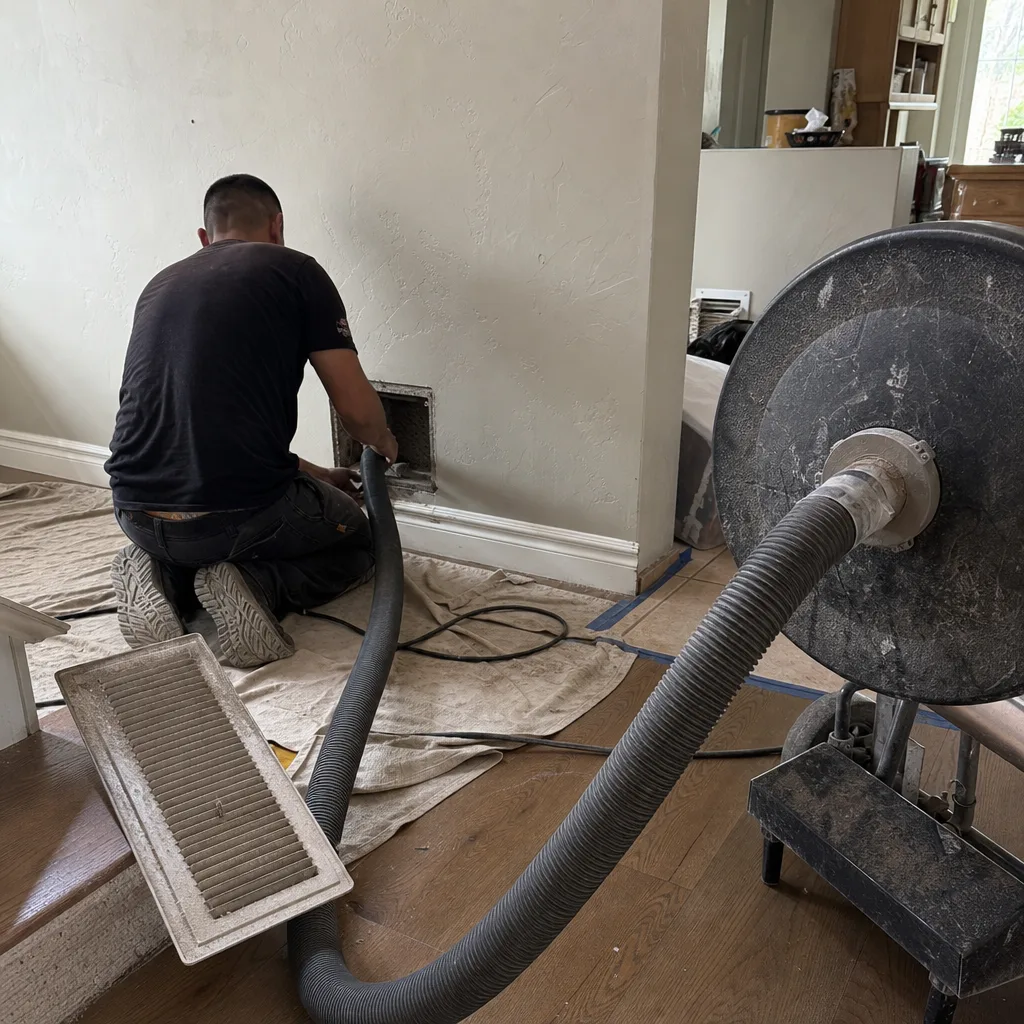 Before
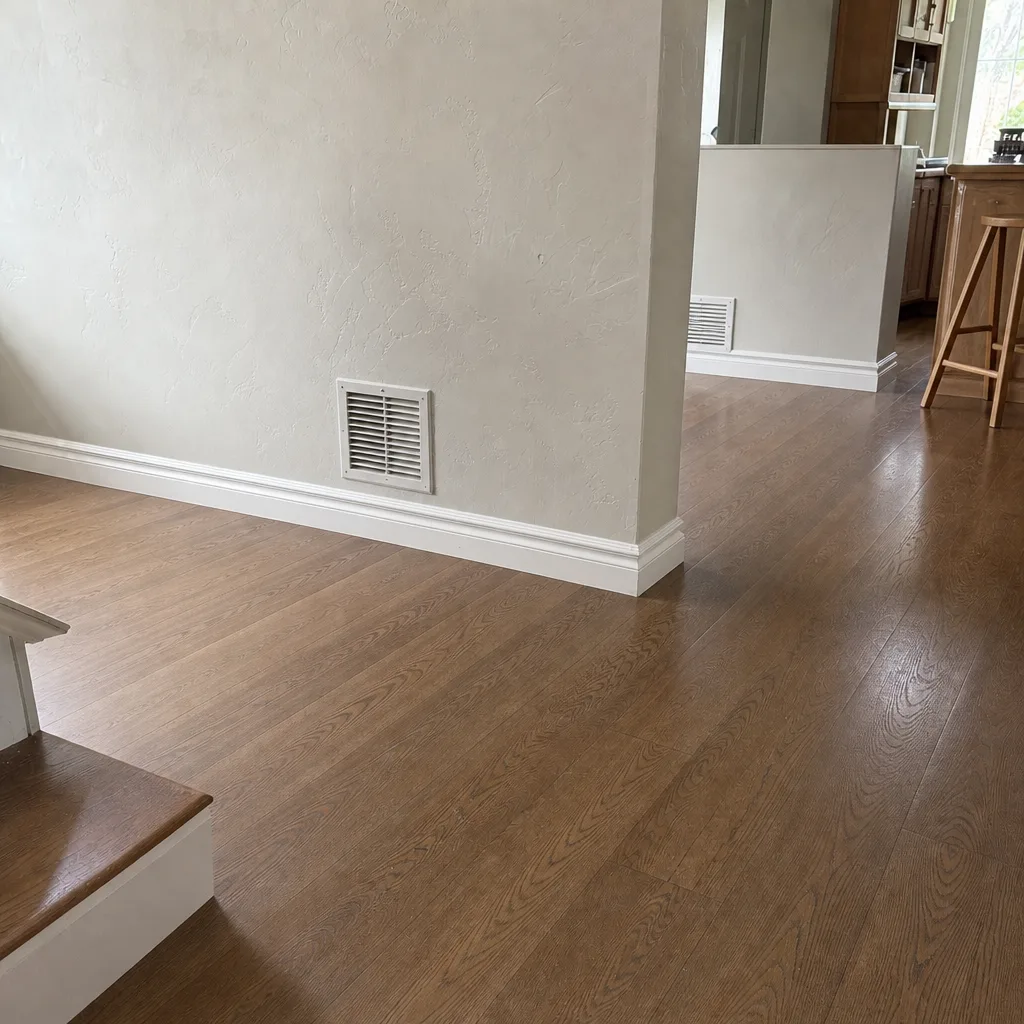 After