
Last updated November 4, 2026
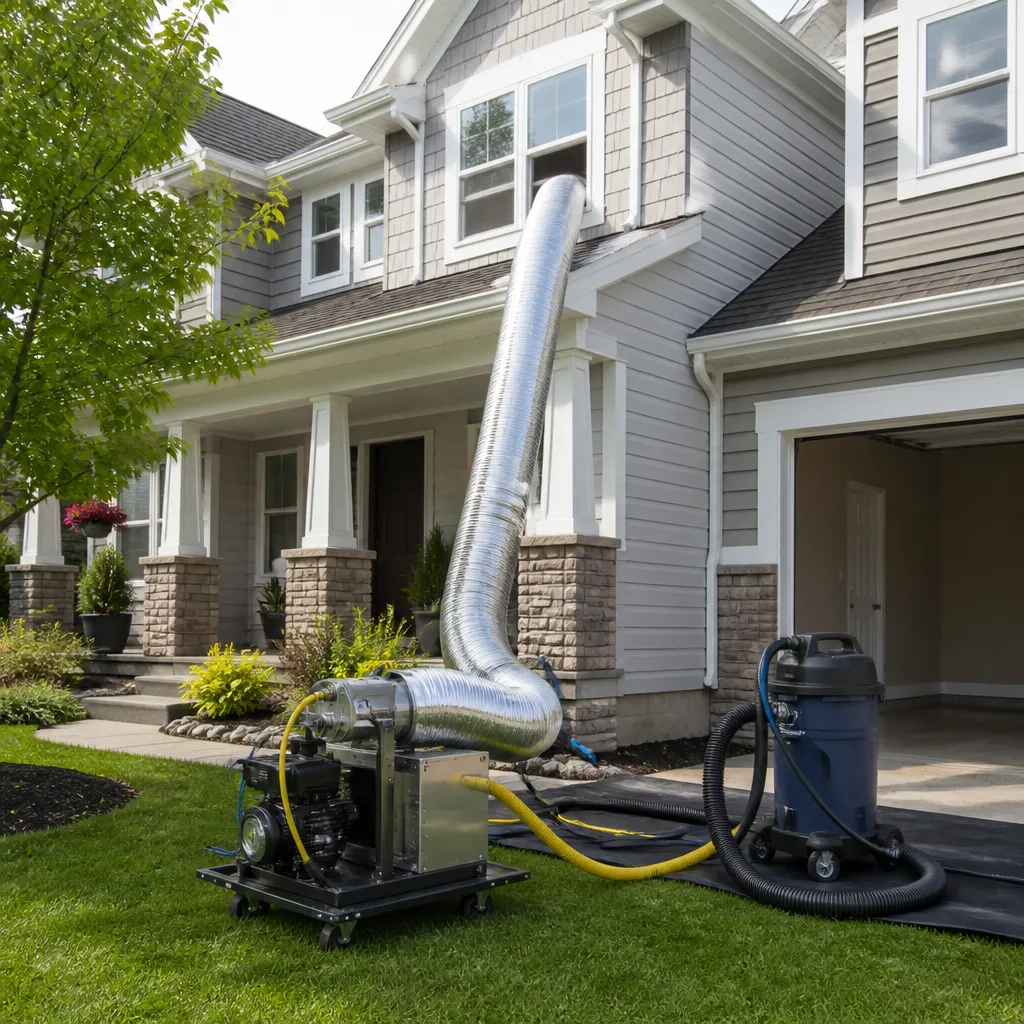 Whole-home duct cleaning
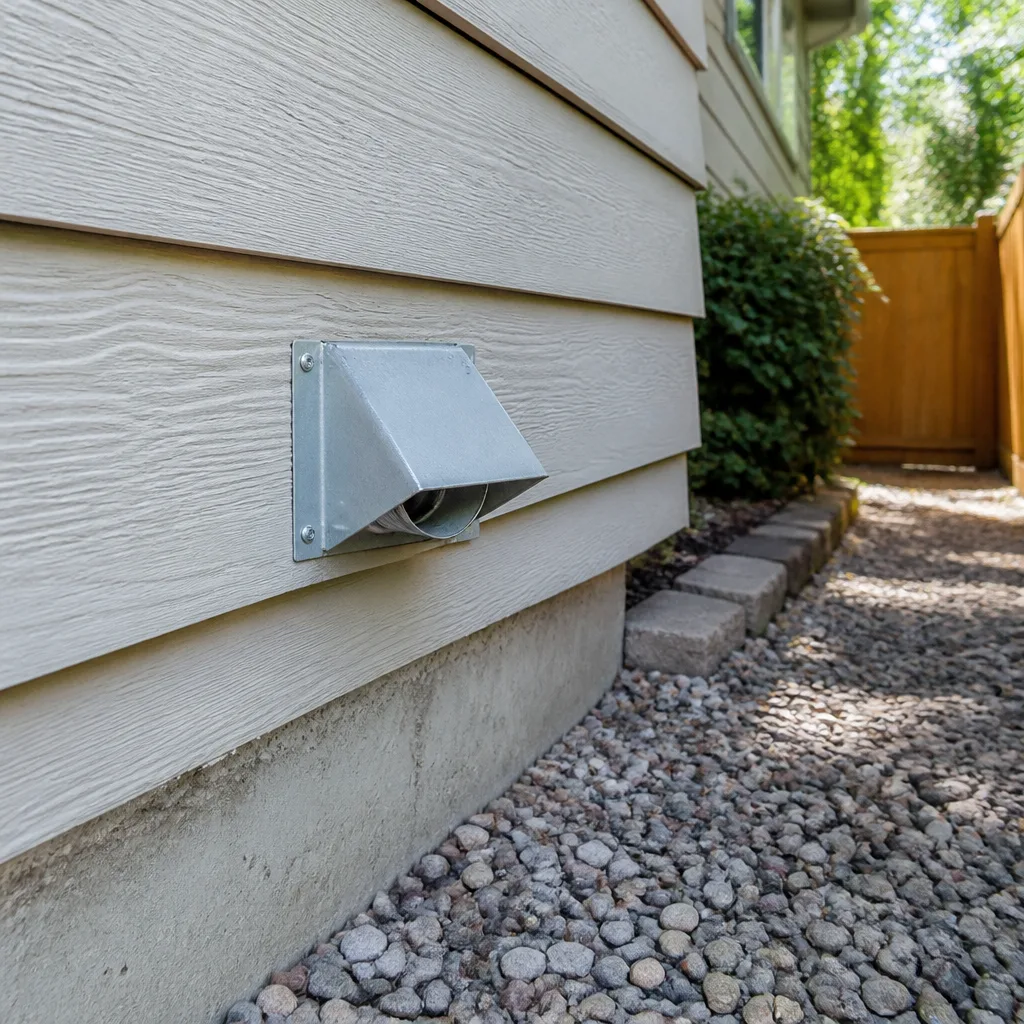 Dryer vent cleaning
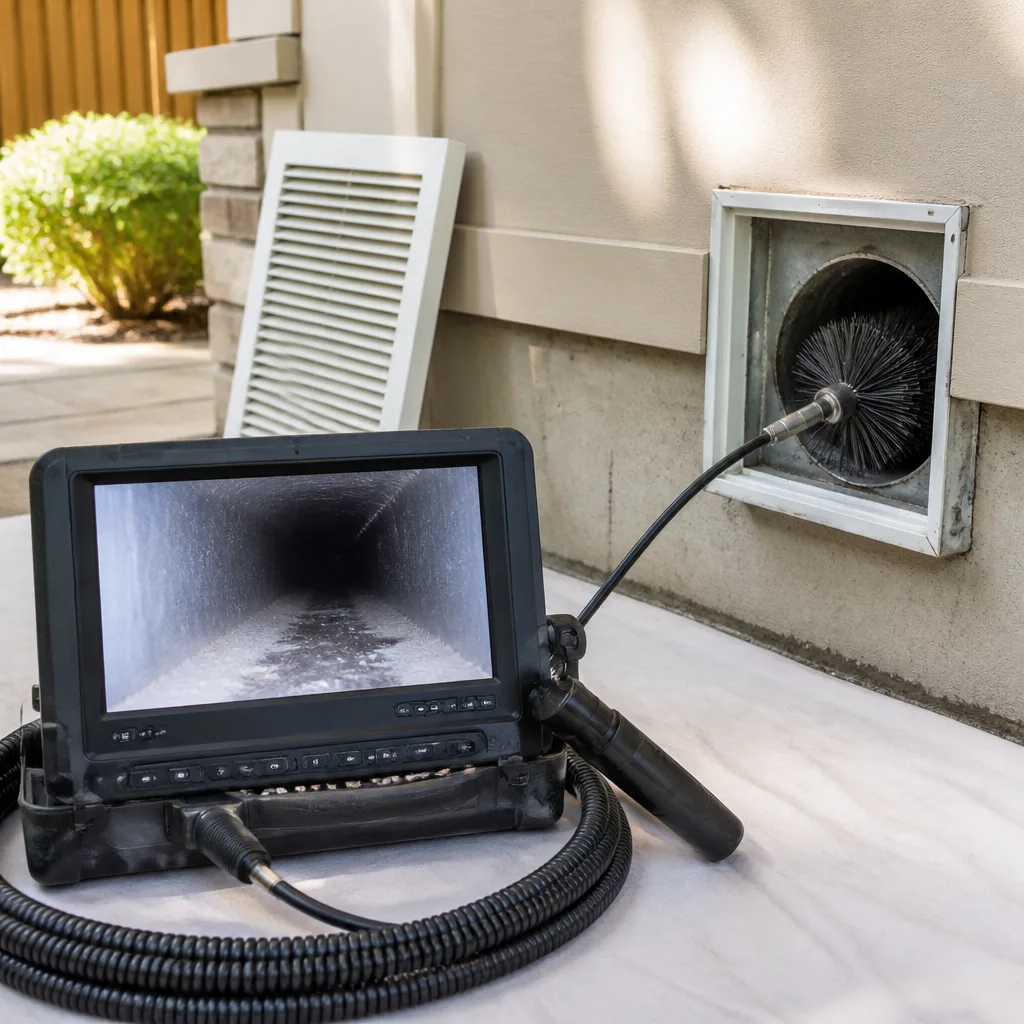 Camera inspection
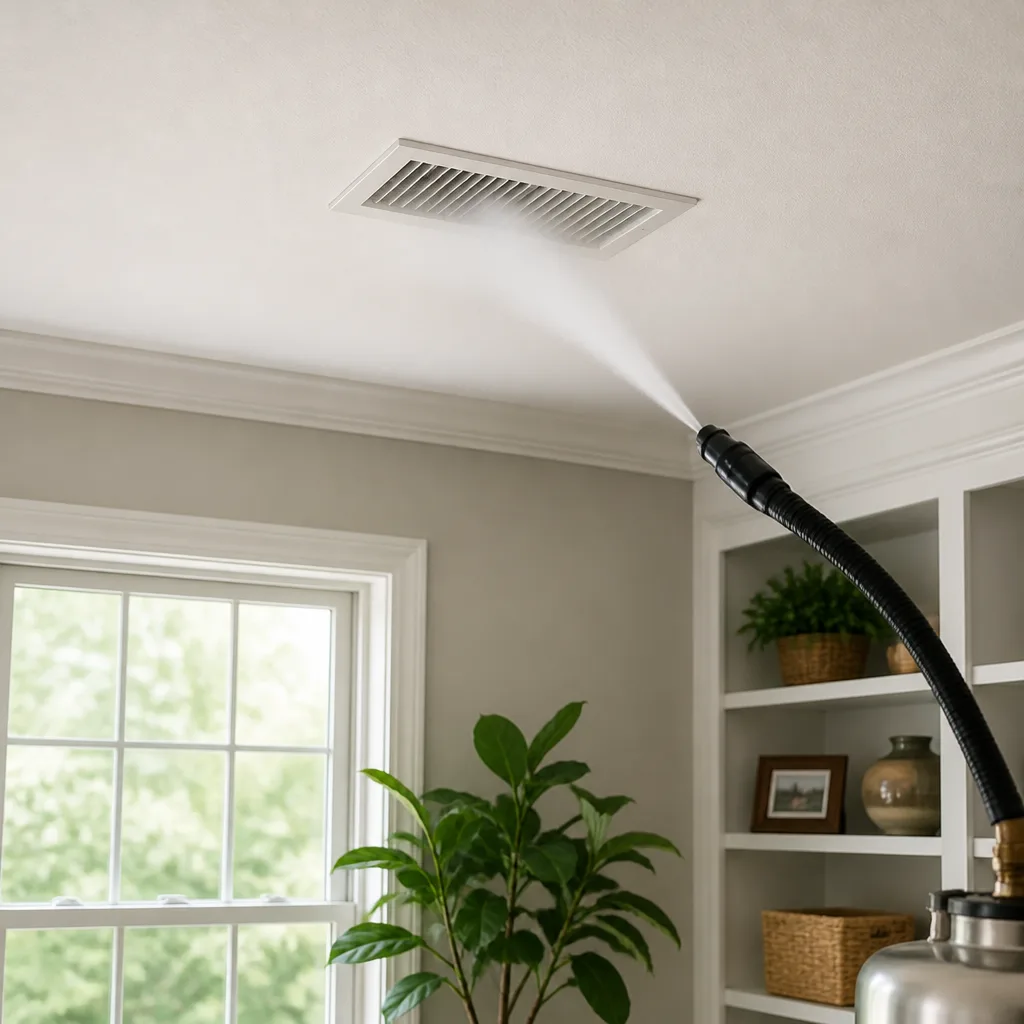 Sanitizing & deodorizing
Whole-system duct and dryer vent check with before-and-after photos - you see exactly what came out of your vents
That "$99 whole-house special" is a bait ad - the real number appears once they are in your hallway, or the "clean" is a shop-vac at the register. We photograph the inside of your ducts before and after instead.
Seasonal Air Duct Cleaning Care for Carlsbad: Year-Round Homeowner’s Guide
Carlsbad’s “mild year-round climate” is actually four distinct air-quality stress periods for your duct system, and none of them match the spring/fall cleaning advice written for the Midwest. You’ve been cleaning your home’s air ducts on a calendar that doesn’t exist here. This guide explains when Carlsbad’s actual weather patterns put the most strain on your ductwork, what each season deposits inside your system, and how to time your maintenance so you’re not paying for cleaning that gets undone in six weeks.
Styles & brands we work with
- Whole-home duct cleaning
- Dryer vent cleaning
- Camera inspection
- Sanitizing & deodorizing
Quick Answer
Carlsbad homeowners should schedule comprehensive air duct cleaning in late September, before heating season begins, with a follow-up inspection after Santa Ana wind events between October and January. Marine layer months from May through August demand moisture checks on supply runs to catch condensation before it becomes a mold condition. Wildfire smoke events warrant immediate post-event duct assessment and MERV-13 filter upgrades, regardless of what month they occur.
Table of Contents
- Carlsbad’s Real Climate Calendar: Four Stress Periods, Not Four Seasons
- Santa Ana Wind Season (October-January): The Particulate Infiltration Problem
- Marine Layer Months (May-August): Moisture, Condensation, and Mold Risk
- Wildfire Smoke Events: Why Smoke Particulate Is Different from Household Dust
- Pre-Summer HVAC Ramp-Up: Checks Before First Sustained AC Use
- Why Late September Is the Highest-ROI Cleaning Window in Carlsbad
- Filter Strategy for Carlsbad’s Air Profile
- Common Mistakes to Avoid
- When to Call a Professional
- Frequently Asked Questions
- The Bottom Line
Carlsbad’s Real Climate Calendar: Four Stress Periods, Not Four Seasons
Most duct cleaning advice circulating online was written for a continental climate with four distinct seasons: freeze-thaw cycles, snow, spring pollen blooms, and fall leaf drop. Carlsbad doesn’t experience any of that. What Carlsbad does experience is a rotating sequence of atmospheric conditions that deposit entirely different types of particulate into return air systems at predictable times of year.
The four periods that actually matter here are:
- Marine layer months (May through August): Persistent morning and evening cloud cover brings elevated coastal humidity. This moisture doesn’t just sit outside; it gets pulled through your HVAC system, where it condenses on cool duct surfaces.
- Santa Ana wind season (October through early January): Hot, dry offshore winds sweep fine dust and beach sand into the air column. These events drive ultra-fine particulate deep into ducts, including sediment that normal household HVAC use never pulls in.
- Wildfire smoke corridors (typically November through April, but increasingly year-round): Regional fire events push smoke plumes through Carlsbad’s air basin at unpredictable intervals. Smoke particulate behaves differently from household dust, and normal duct buildup doesn’t account for it.
- Shoulder transition period (late September): The brief window between late-summer AC demand and winter heating demand as cooler offshore flow returns. This is the moment systems are running at reduced load, making it the ideal time for cleaning work that requires HVAC shutdown.
Understanding this calendar changes how you think about duct maintenance. You’re not cleaning on a schedule someone in Ohio designed. You’re scheduling around what Carlsbad’s atmosphere actually does to your system, month by month.
Santa Ana Wind Season (October-January): The Particulate Infiltration Problem
Santa Ana events in Carlsbad are not just windy days. They’re sustained offshore wind patterns that can push fine dust, pollen, and construction debris through the air column for 48 to 72 hours at a stretch. Some of that particulate settles on your patio furniture. The finer fraction gets pulled into your return air system every time your HVAC cycles on.
What makes Santa Ana dust different from normal household dust is its size distribution. The airborne fraction during high-wind events skews heavily toward particles under 10 microns, small enough to travel into return duct runs and stay suspended in the air stream. Normal household dust, by contrast, includes larger fibers and hair that settle out quickly near registers. When a Santa Ana event blows through, it deposits a fine layer of silt along the bottom of return trunks and into the air handler cabinet itself.
Here’s what a post-Santa Ana duct inspection typically reveals in Carlsbad homes:
- Fine sediment in return trunk lines: A gray-tan powder that brushes away easily but returns within two weeks if the next Santa Ana event passes through before cleaning.
- Debris accumulation around return grilles: Visible dust lines on the wall around return registers, indicating turbulent air entry that’s pulling outdoor particulate straight into the system.
- Sandy particles in the air handler blower section: Heavier grit that made it past the filter and settled on internal housing surfaces, contributing to blower noise and uneven airflow.
- Filter occlusion ahead of schedule: A MERV-8 filter that normally lasts 90 days may be loaded in 30 during active Santa Ana sequences.
The scheduling logic here is straightforward. If Carlsbad sees two or three Santa Ana events in a season, the return side of your system accumulates a significant silt load that normal filter changes don’t address. A post-season cleaning clears that material before it gets distributed into the rest of the house when the system switches over to heating mode.
What to Do After a Santa Ana Event
Wait for sustained calm conditions, then have your return side inspected. If you can see dust lines developing around return grilles within a month of the last wind event, that’s the signal to schedule a cleaning. The return side is where the contamination enters, and it’s where the professional-grade extraction makes the biggest measurable difference. Using commercial HEPA vacuuming systems rather than consumer-equivalent equipment matters most here, because Santa Ana sediment is fine enough to pass through weaker filters and get redistributed rather than captured. That’s exactly why we run Nikro commercial extraction units on these jobs; they’re built for fine particulate capture at the source, not just visible debris removal.
Marine Layer Months (May-August): Moisture, Condensation, and Mold Risk
The marine layer in Carlsbad is a blanket of low cloud that sits over the region during overnight and morning hours from late spring through summer. It produces persistent relative humidity readings that routinely exceed 80%, even when afternoon temperatures stay moderate. Your HVAC system pulls some of that humid air in through outside ventilation, and when it passes over cool evaporator coils and through conditioned ductwork, the physics are simple: moisture condenses on surfaces cooler than the dew point.
Supply duct runs, especially those in unconditioned spaces like attic runs common in Carlsbad single-story homes, are the first places condensation shows up. What starts as surface moisture becomes a thin damp layer on the inside of flexible duct runs. Given enough weeks of this pattern, organic material already present in the ducts feed that moisture, and the result is the first stages of microbial growth long before it becomes visible black mold at a supply register.
Here’s what to look for during marine layer months, before it becomes an active mold condition:
- Condensation marks on register faces: Small water spots or a subtle sagging of the register paint, often mistaken for household humidity issues.
- Musty odor that comes and goes: Present in the morning during the AC cycle, gone by midday. The human nose detects this long before visible growth appears.
- Darkened fiberglass inside supply boots: Peeling back a register and seeing a gray-brown stain on the inside of the boot is a moisture entry point, not general dust.
- Increased household dust with no obvious source: Humid duct surfaces trap more of what passes through, then release it unevenly as conditions shift. This shows up as dustier return grilles and registers during humid months.
The connection between marine layer moisture and duct health is why we treat the May through August window as inspection season in Carlsbad. The moisture problem doesn’t always require cleaning, and a good inspection separates houses that need handling from houses that are stable. But when condensation has been present for more than a few weeks, cleaning plus targeted Duct Cleaning Carlsbad repair work becomes the correct scope. Sealing supply run leaks prevents that moisture from getting into wall cavities where the problem multiplies far beyond the duct itself.
How Moisture Gets Into Ducts in Carlsbad’s Marine Layer
- Return leakage in outside walls: Negative pressure on the return side pulls humid marine air through tiny gaps around can lights, plumbing penetrations, and wall boxes, straight into return plenums.
- Supply run leakage into unconditioned spaces: Conditioned air escapes into hot humid attics, drawing replacement air in from the outside. The cycle raises internal duct humidity with every cycle.
- Condensation on exposed duct runs: Poorly insulated flex duct in attic spaces develops internal moisture even when air sealing is intact, especially during extended marine layer sequences.
Wildfire Smoke Events: Why Smoke Particulate Is Different from Household Dust
When regional wildfires push smoke into Carlsbad’s air basin, the particulate that enters your home is not ordinary dust. Smoke particles are sub-micron in size, chemically active, and strongly attracted to indoor surfaces. They don’t settle out the way household dust does; they remain airborne for extended periods and adhere to fibers, plastics, and especially to the inside of HVAC systems that are cycling air through the house every 10 to 15 minutes.
Household dust is mostly inert: skin cells, textile fibers, dirt tracked in from outside. Smoke particulate is different in kind. It contains fine ash, charred organic material, and inorganic compounds released by burning vegetation and structures. When this material enters your duct system, it coats surfaces in a fine, sticky film that ordinary filter changes do not address. Over weeks, that film builds up inside return trunks, supply runs, and the air handler, and it re-enters your living space every time the fan runs.
The practical issue in Carlsbad during wildfire season is that smoke events are unpredictable. They don’t occur on a quarterly schedule. The right response has two parts:
- Filter upgrade during active smoke events: If regional fires are producing visible haze in Carlsbad, a MERV-13 filter is the correct choice, not a standard MERV-8. We service Honeywell and Aprilaire air-quality systems, and a MERV-13 upgrade in compatible housings is one of the highest-impact changes a homeowner can make during a smoke event. The filter captures a much larger fraction of the sub-micron particulate that causes respiratory irritation and that would otherwise coat the inside of the return ducting.
- Post-event duct assessment: Once the smoke clears and outdoor air returns to baseline, the duct system needs evaluation. Smoke film is invisible at first, but it’s detectable as a faint acrid odor coming from registers when the system runs, and as accelerated filter loading in the weeks after an event. If either sign is present, professional cleaning with HEPA extraction is the correct response, because that film will continue to off-gas and recirculate for months if left in place.
Abatement Technologies air filtration equipment is exactly the kind of tool that matters in smoke-contaminated duct scenarios. This isn’t a shop-vac operation; the particle sizes involved require equipment designed for fine particulate and biological contaminant capture. If your Carlsbad home has been through a heavy smoke event, the system needs more than a dusting. It needs extraction at the source, with the return side sealed during the process so captured smoke particulate isn’t redistributed through the house.
Pre-Summer HVAC Ramp-Up: Checks Before First Sustained AC Use
Late spring in Carlsbad is when most thermostats switch from heat to cool for the first sustained stretch. That transition is more significant than most homeowners realize, because it changes the airflow patterns inside your duct system and can dislodge debris that’s been sitting static for months.
Here’s the sequence to run before your first sustained AC use, ideally in April:
- Pull registers and inspect boots: Remove two or three supply registers in different parts of the house and look at the first few inches of duct behind them. Dust accumulation, pet hair, or visible debris at the boot entry point means the same material is layered deeper in the run.
- Check the return side for visible loading: Return grilles show dust lines when the system has been pulling debris for months. If you see streaking on the wall around a return grille, the return duct behind it is carrying a heavier load than it should be.
- Inspect the air handler cabinet: Open the filter access panel (system off) and look at the blower section and coil. Dust on the blower fins or coil face means off-season debris has reached components it shouldn’t have. This is also the moment to confirm the filter is seated correctly; a poorly seated filter lets air bypass filtration and feed anything downstream of the filter directly into conditioned space.
- Run the system once and note any new odor: A brief dusty odor on first start of the season is common and often clears in minutes. An odor that persists for days suggests debris embedded in the system, not just dust sitting at the register faces.
- Check for condensate drain flow: Once the AC is running, water should be moving through the condensate drain. A dry drain while the system is actively cooling means the moisture is going somewhere else, often into the pan or the ductwork. This is a direct pathway to mold growth in Carlsbad’s marine layer humidity, and we see it regularly in duct systems that haven’t been inspected in years.
These checks catch off-season debris accumulation before the first real AC demand, which is when allergens and built-up particulate get distributed throughout the house at full volume. The pre-summer inspection is also the right time to assess whether your system is a candidate for air duct repair. Leaks in supply runs, especially in attic sections common to Carlsbad homes, get worse with summer temperature swings, and cleaning alone won’t fix a system that’s pulling debris in through gaps every time it cycles.
We offer full air duct repair alongside cleaning, because a sealed, intact duct system is the only kind that stays clean after the crew leaves. Clearing debris without addressing the entry points is a half-measure, and in Carlsbad’s air profile, the entry points are often the bigger variable than the debris itself.
Why Late September Is the Highest-ROI Cleaning Window in Carlsbad
If Carlsbad homeowners could only schedule one comprehensive duct cleaning per year, late September is the window that delivers the most value. The reasoning is straightforward once you understand the timing of everything described above.
By late September, the marine layer has mostly receded, so moisture-related contamination has stabilized and isn’t actively worsening. The long summer of AC demand has pulled several months of household particulate through the return side, leaving the trunk lines and air handler loaded with everything from pet dander to beach sand. The Santa Ana season is still weeks away, so the debris you remove now won’t be immediately re-supplied by the next offshore wind event. And heating season is approaching, which means the system will soon be pulling air from the home’s interior and distributing it through supply runs in a different pattern than cooling mode. That shift tends to dislodge whatever has accumulated, and a clean system entering heating season delivers noticeably better indoor air quality all winter.
The economics of the late-September window also work in the homeowner’s favor. Cleaning costs in Carlsbad are based on system size and contamination level, not seasonal demand. A system cleaned in late September stays clean through the four quietest months of the year, because nothing in the late-September through December period is actively adding new contamination at the rates seen during Santa Ana events or wildfire smoke episodes. Compare that to cleaning in April, which leaves the system exposed to a full summer of marine layer humidity plus whatever the wind events bring. The same dollar buys more clean-air months in late September than it does in any other window.
That said, if you’re already past late September and headed into Santa Ana season, schedule for the first calm stretch after the last wind event of the sequence. The second-best window in Carlsbad is post-Santa Ana, pre-summer, whenever that falls for your particular system. The worst time to clean is during an active Santa Ana sequence or during a wildfire smoke event, because the contamination source is still adding material to the air column, and a cleaned system simply loads back up within days.
Filter Strategy for Carlsbad’s Air Profile
Filter selection is the single most controllable variable in Carlsbad duct maintenance, and most systems are running the wrong filter for local conditions. The right filter strategy depends on what’s happening outside, and it changes throughout the year in ways that generic advice misses.
During routine conditions, a MERV-8 pleated filter is adequate for most Carlsbad homes. It captures a reasonable fraction of household dust, pet dander, and beach sand, while still allowing adequate airflow for typical residential systems. Upgrading to MERV-11 during pollen spikes, which in Carlsbad tend to peak in early spring and again in the fall, helps households with allergy concerns without overloading blower motors.
The two periods when filter strategy shifts most dramatically in Carlsbad are Santa Ana season and wildfire smoke events. During active Santa Ana sequences, airborne fine particulate loads jump significantly, and a MERV-11 or MERV-13 filter captures a much larger share of what would otherwise end up inside the return ducting. During wildfire smoke events, MERV-13 is the right call in any system that can handle the airflow, and we help homeowners verify that when we service Honeywell and Aprilaire systems. A filter that’s too restrictive for the blower motor causes static pressure problems that reduce system efficiency and can lead to premature motor failure.
One more Carlsbad-specific point: filters in homes near active construction or major road runoff take more of a beating than filters in quieter residential sections. If you’re near active development, check your filter monthly during Santa Ana season. The debris load from construction dust plus wind-driven particulate can occlude a filter in weeks, and a loaded filter is just bypassing air around the media, feeding everything downstream.
Common Mistakes to Avoid
- Cleaning on the Midwest calendar: Scheduling duct cleaning in April because that’s “spring cleaning” season means your system re-contaminates during the marine layer months and the Santa Ana sequence that follow. Carlsbad’s actual cleaning window is late September through October, post-Santa Ana, or early spring, pre-marine-layer, depending on your system’s history.
- Using a MERV-8 filter during a Santa Ana event: The fine particulate in Santa Ana dust passes through a MERV-8 almost unimpeded. A temporary upgrade to MERV-11 or MERV-13 during wind season prevents a significant fraction of that material from entering the duct system in the first place.
- Ignoring the return side: Most visible dust appears at supply registers, but the return side is where contamination enters. Cleaning only the supply side, or only the visible grilles, leaves the return trunks loaded with whatever the system has been pulling in for years.
- Cleaning while a contamination source is active: Duct cleaning during a Santa Ana sequence or during a wildfire smoke event is money wasted. The system loads right back up. The correct sequence is to wait until the contamination source subsides, then clean.
- Skipping air duct repair when leaks are present: A clean system with supply run leaks in the attic re-contaminates quickly, because the leaks keep pulling debris into the conditioned air stream. In Carlsbad’s older single-story homes, attic flex duct replacement or sealing is often a bigger improvement than cleaning alone.
- Assuming marine layer humidity doesn’t matter if you don’t see mold: The moisture accumulates invisibly for months before visible mold appears at a register. If you’re in Carlsbad and your system runs through marine layer months without a moisture inspection, you’re flying blind on the single biggest mold risk factor in local duct systems.
- Changing the filter but not checking the air handler: A filter change is necessary but not sufficient. Debris that made it past the filter is sitting in the blower section and on coil faces, and a new filter downstream doesn’t address what’s already embedded there.
When to Call a Professional
Some Carlsbad duct issues are visible and obvious: a register that’s actively growing mold, a supply run that’s come completely disconnected in the attic, a return grille that’s pulling visible dust streaks onto the wall. Others are less visible but equally real: a musty odor that comes and goes with the AC cycle, a filter that loads in weeks when it used to last months, a system that’s distributing more dust around the house than it did two years ago.
Any of these signals warrants a professional inspection. The distinction that matters in Carlsbad is between a duct cleaner and a duct specialist. The former clears visible debris from accessible runs and calls it done. The latter identifies entry points, airflow problems, and moisture sources, then applies the right fix: HEPA extraction where particulate load is heavy, sealing or replacement where runs are compromised, and filtration upgrades where the house is exposed to Carlsbad’s periodic particulate spikes. Dryer vent cleaning addresses a separate fire-safety need, and the two services are complementary during a whole-home airflow assessment.
Duct Cleaning Carlsbad offers free estimates in Carlsbad. Call (855) 353-1322 to schedule an inspection. We answer 24/7. Fast dispatch from 7am to 7pm, Sunday through Friday.
Frequently Asked Questions
Most Carlsbad homes without pets, smokers, or resident wildfire smoke exposure need comprehensive duct cleaning every 2 to 3 years. Homes with pets, allergy-sensitive occupants, or recent renovation work may need annual cleaning, and homes that experienced a heavy wildfire smoke event or persistent marine layer moisture should be assessed on a case-by-case basis. The schedule should follow Carlsbad’s stress periods, not a generic calendar: clean after Santa Ana season and after smoke events, and inspect during marine layer months. Call (855) 353-1322 for an exact recommendation based on your system and household conditions.
Residential air duct cleaning in Carlsbad typically runs between $350 and $600 for an average single-family home, depending on system size, number of registers, and contamination level. Systems with significant Santa Ana silt loading, wildfire smoke film, or moisture-related growth can run higher, and air duct repair work is quoted separately from cleaning. The written estimate sets the final price before work begins. Call (855) 353-1322 for a free estimate on your specific system.
Lower-cost quotes in Carlsbad typically reflect smaller crews, shorter run times, consumer-grade equipment, and a scope that skips the return side, the air handler, or the furthest supply runs. The difference in result is visible in the register-level particulate counts after cleaning, and in how long the system stays clean. Our equipment is Rotobrush and Nikro commercial systems, the same class used in commercial and industrial settings, and the extraction time per run is what actually gets the fine Santa Ana silt and smoke film out, not just the loose debris near the registers. Carlsbad homeowners who pay less per visit often pay more per clean-air month.
Before-and-after photos of your return trunk, air handler interior, and representative supply runs are the standard we work to, so you can see the debris that was removed from your own system. We also walk through the scope with you after the job so you understand what was cleaned, what was repaired, and what to monitor going forward. Professional-grade extraction through Nikro and Rotobrush systems leaves machine evidence in the form of reduced filter loading in the weeks after cleaning; a properly cleaned system should keep its filter visibly cleaner than it was pre-cleaning during the same season.
Carlsbad’s climate makes duct cleaning more important in some ways and less in others. The absence of freeze-thaw cycles and snow means less outdoor debris enters the home from tracked material. But the Santa Ana sequences, marine layer humidity, and periodic wildfire smoke corridors deliver contamination that many climates never see, and the fine particulate from those sources accumulates in duct systems rather than settling out. Properly scheduled cleaning in Carlsbad addresses material that a Midwest system never receives, and the schedule should reflect that.
Cleaning removes accumulated debris from interior duct surfaces. Repair addresses the structural issues that let debris in and conditioned air out: leaks in supply runs, disconnected sections, damaged flex duct, and return side gaps. A cleaned system with unrepaired leaks begins re-contaminating on the first cycle. We’re one of the few duct specialists in Carlsbad that performs full air duct repair alongside cleaning, so the scope of work on a given system is based on what the inspection finds, not on a fixed menu. Your ducts are only as clean as the route air takes through them, and leaks in that route are contamination entry points.
The Bottom Line
Carlsbad’s duct cleaning calendar doesn’t look like the one that applies in other climates. Late September is the highest-ROI cleaning window, because it lands after marine layer months and before Santa Ana season, giving you the longest stretch of clean air. Post-Santa Ana inspections catch the fine particulate that wind events deposit. Marine layer moisture checks prevent mold before it starts. And wildfire smoke events call for MERV-13 filter upgrades and post-event assessment, not a wait-until-spring approach. Your ducts are only as clean as the equipment clearing them and the schedule you keep. The schedule part, you now have. Written by the team at Duct Cleaning Carlsbad, serving Carlsbad since 2014.
See the difference
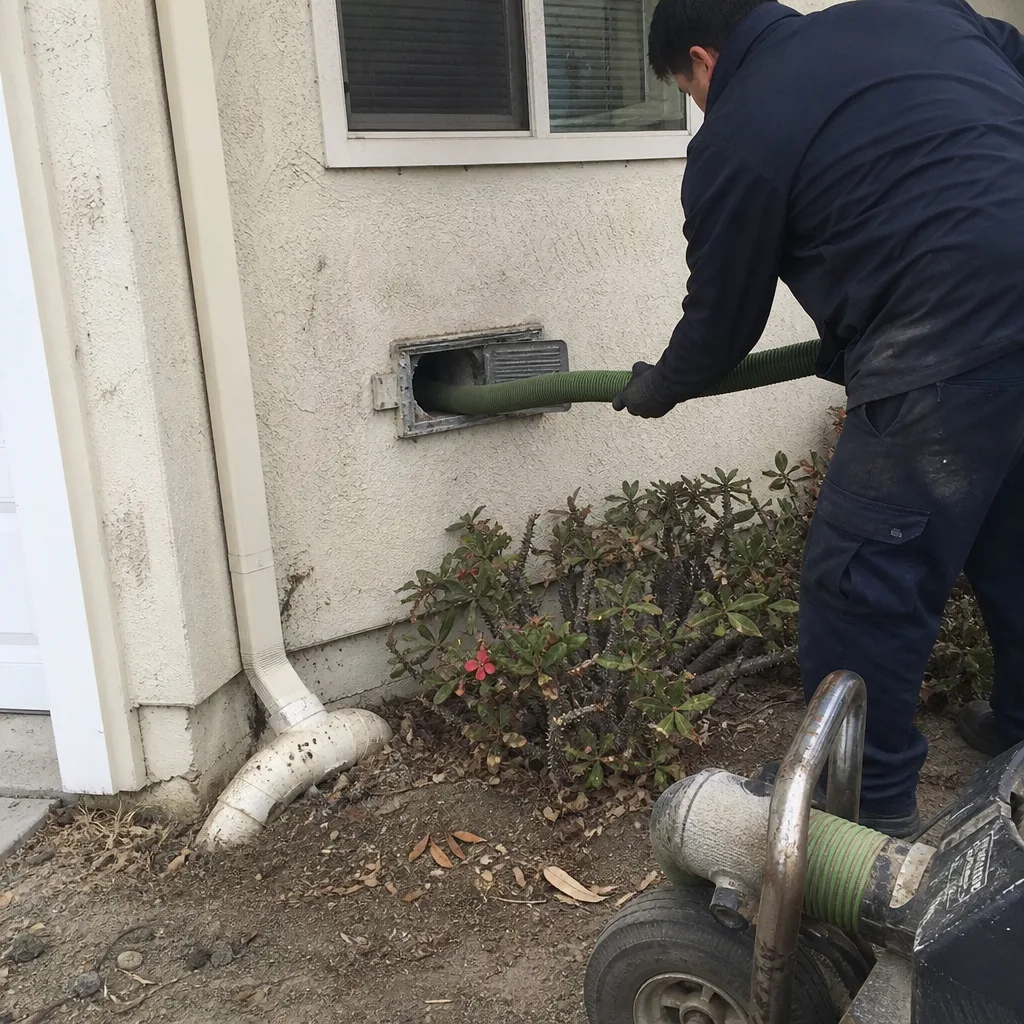 Before
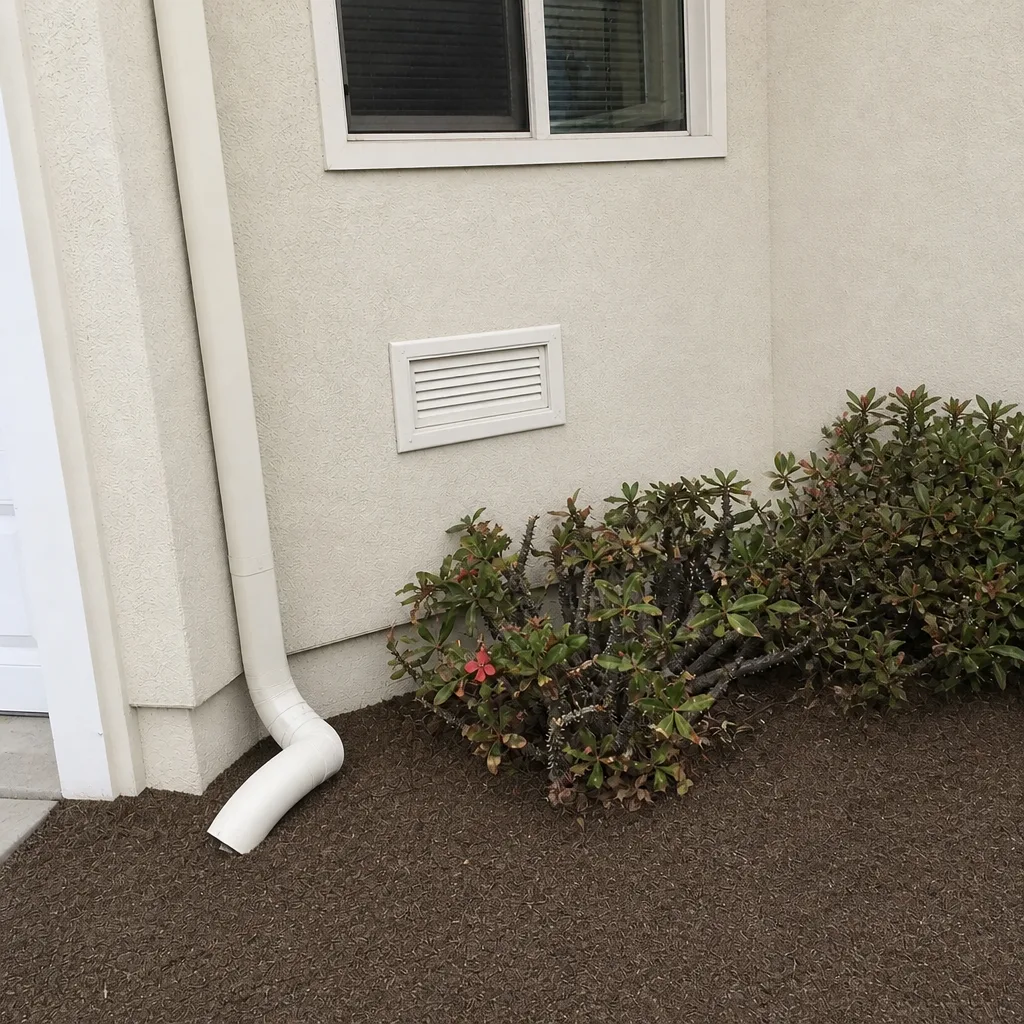 After
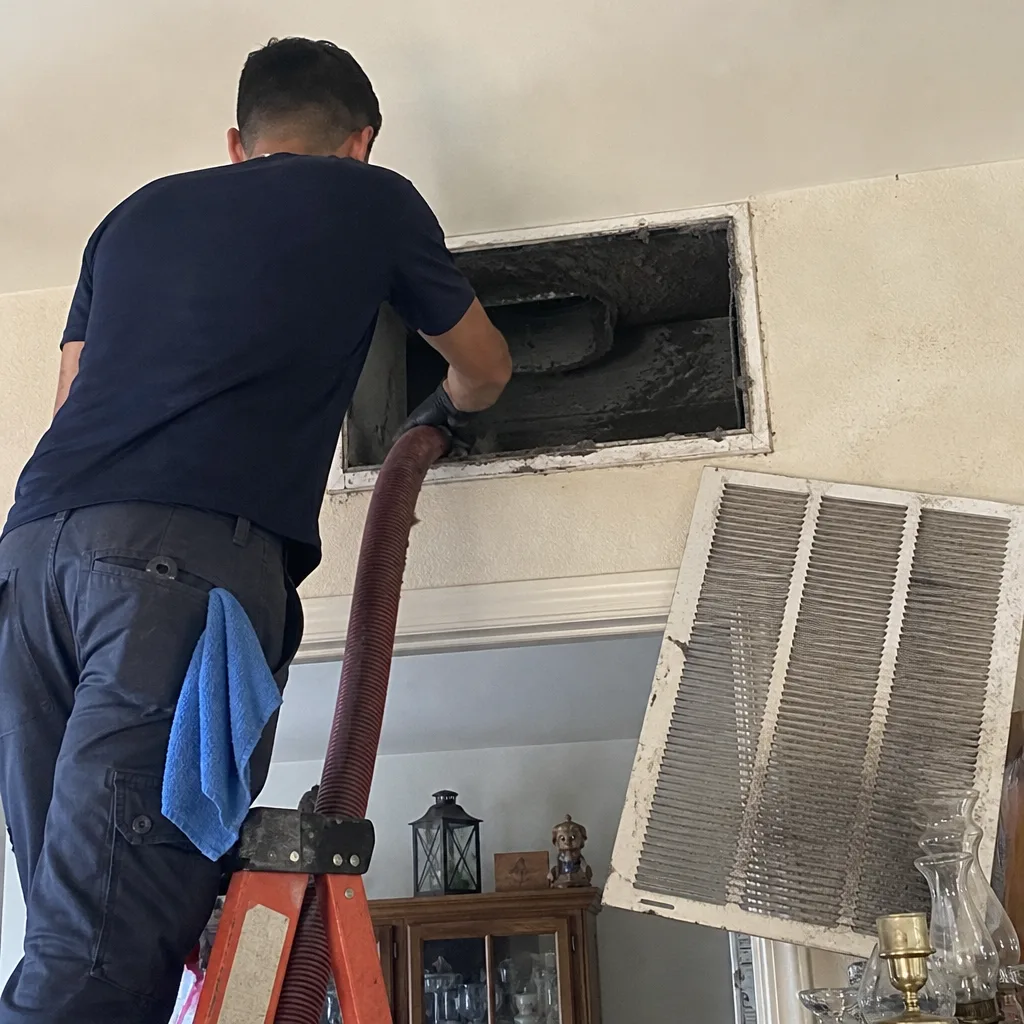 Before
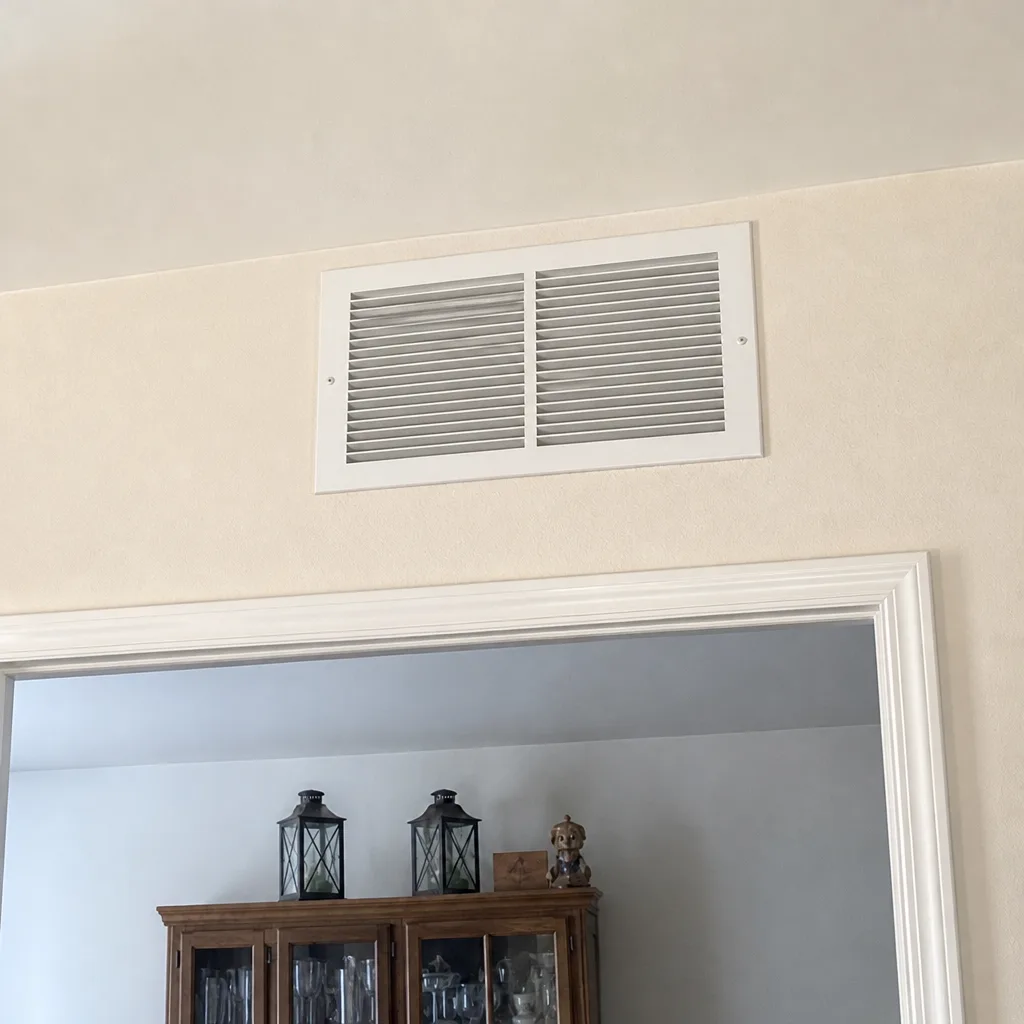 After
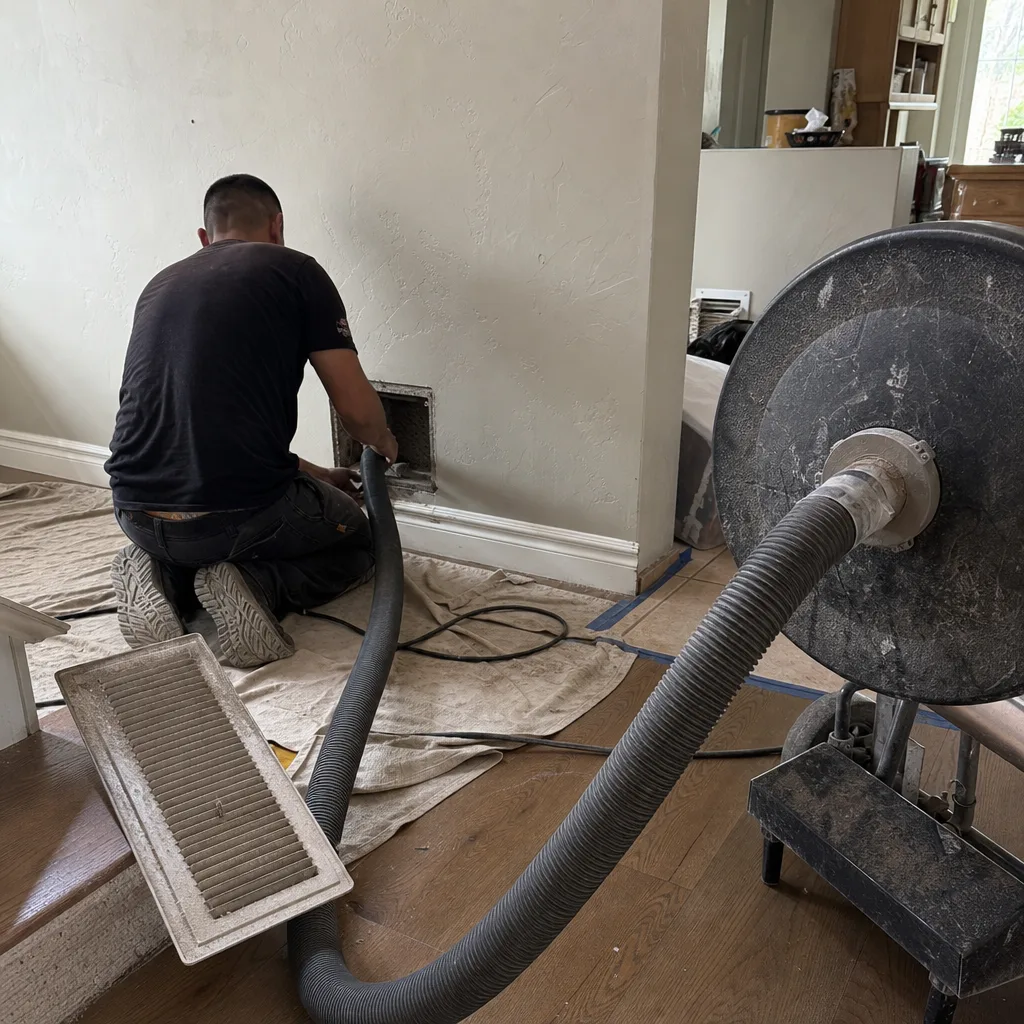 Before
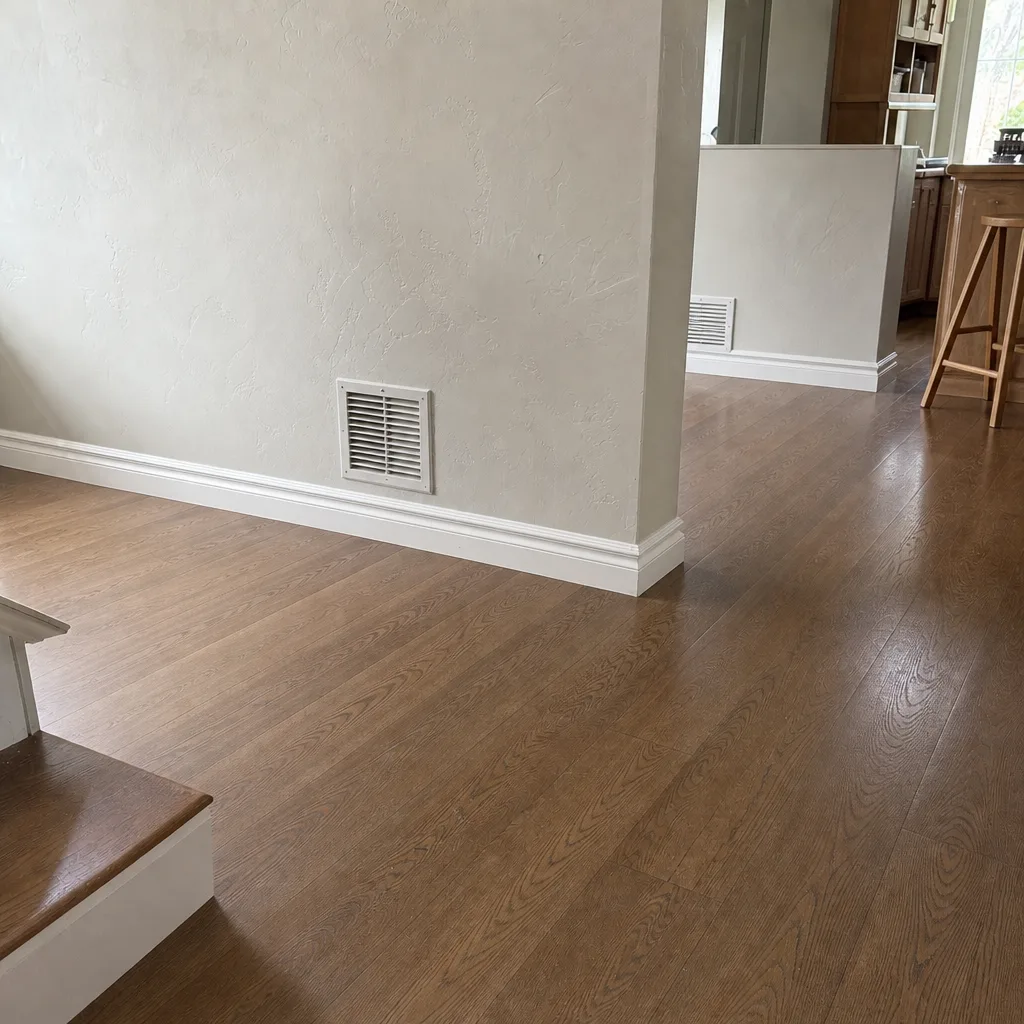 After